Connecticut's Largest State Forest · Hell Hollow Road Regional Folklore
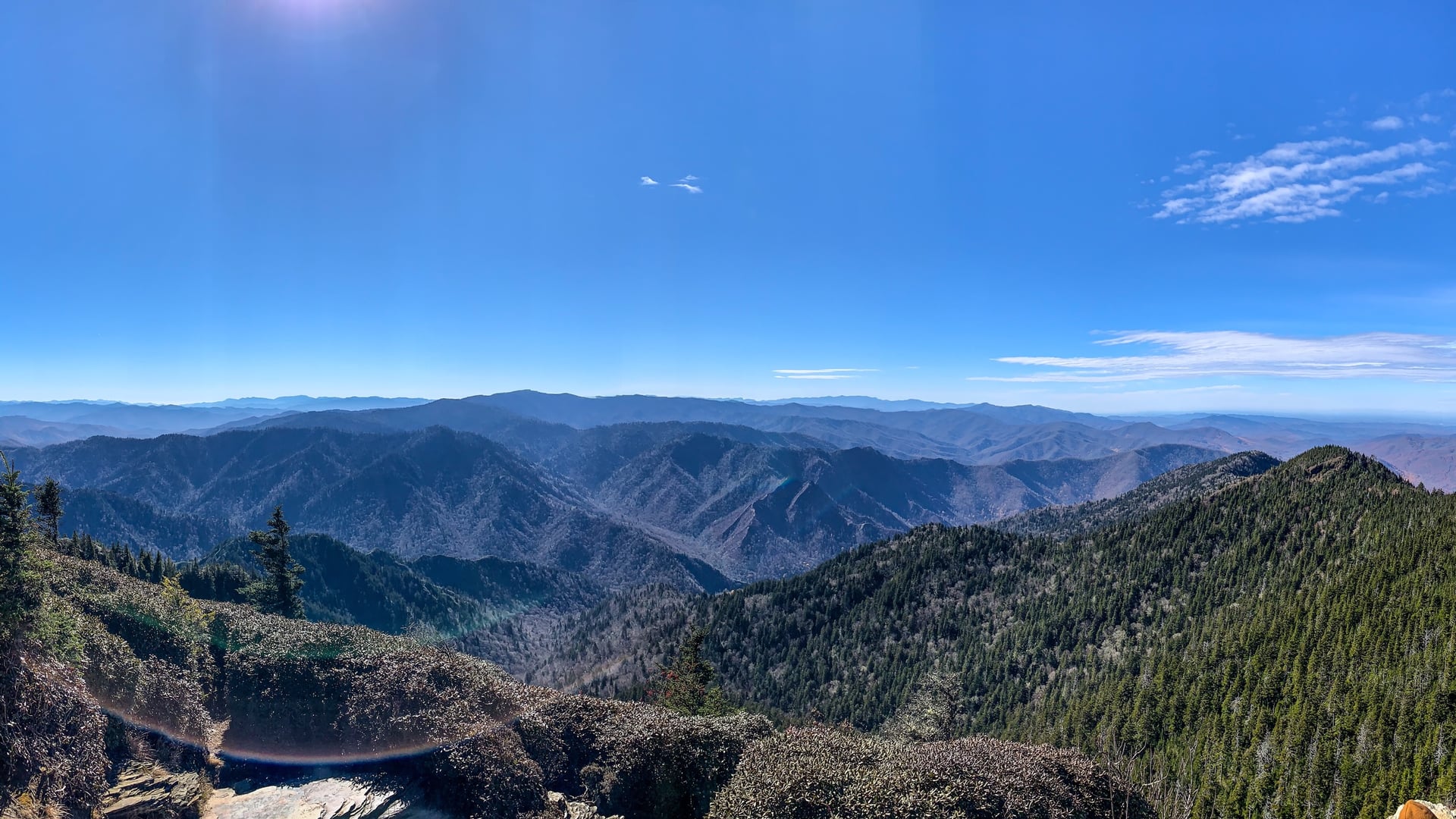
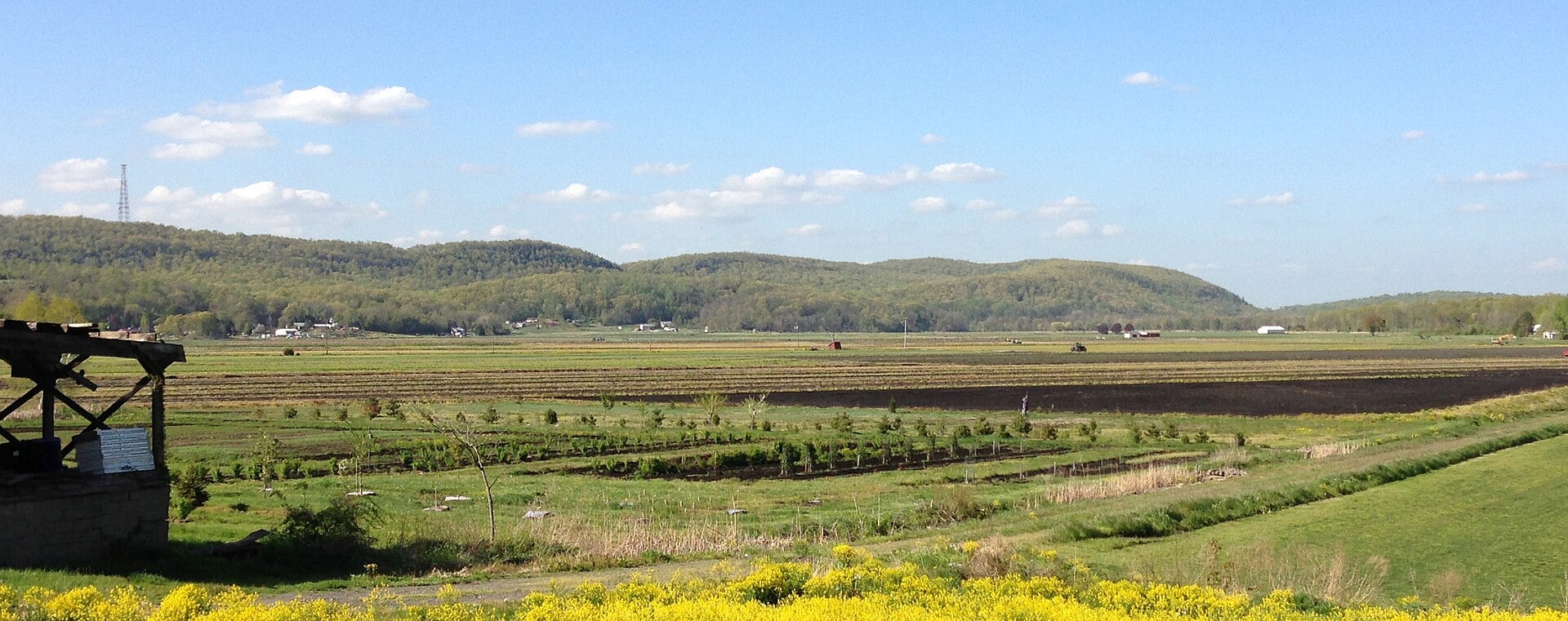
Pachaug State Forest is administered by the Connecticut Department of Energy and Environmental Protection and is the state's largest contiguous public forest, with more than 27,000 acres straddling several towns in New London and Windham counties. The forest was assembled from former farmland and woodlots beginning in the 1920s.
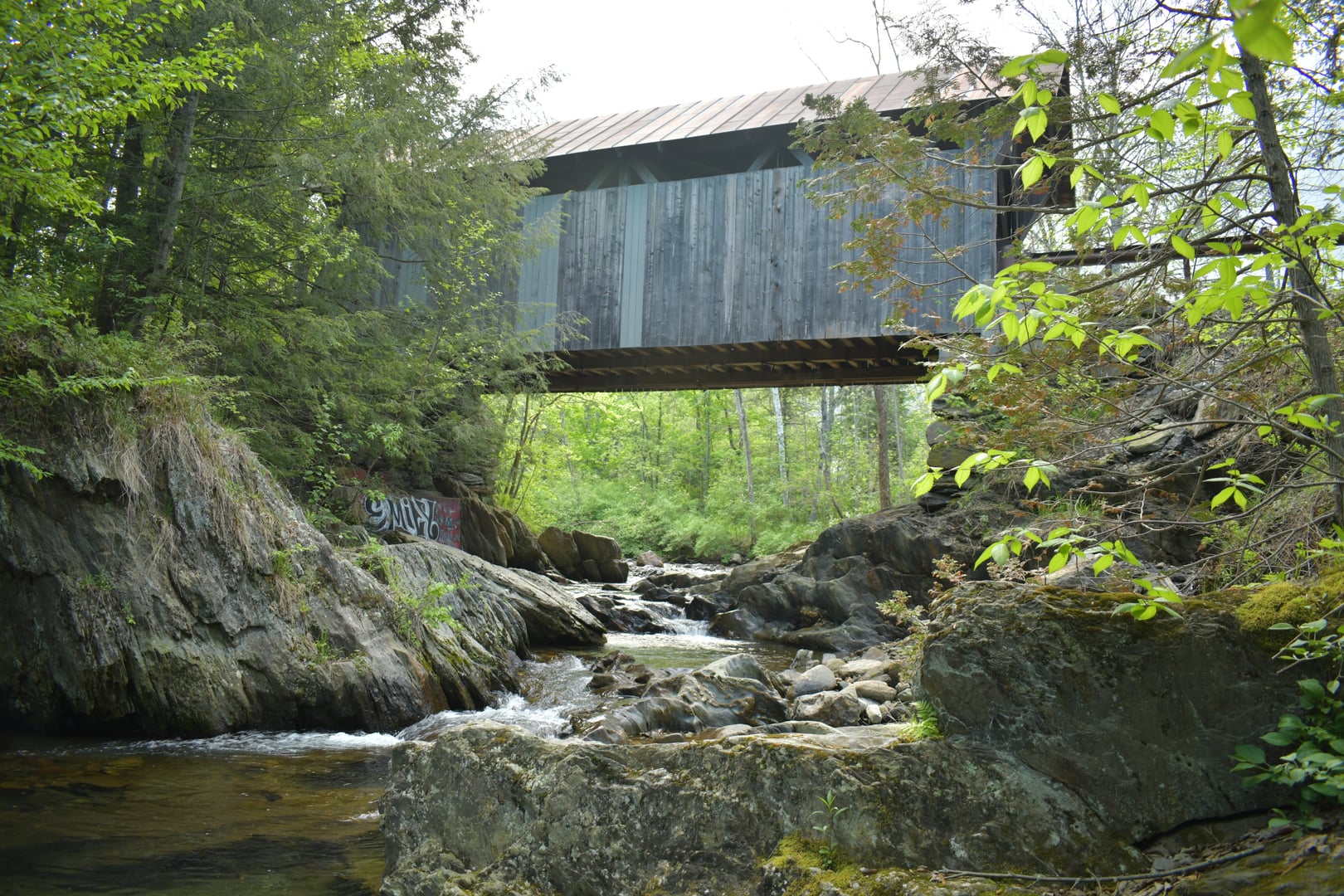
Hell Hollow Road is a rural unpaved road that traverses a section of the forest along the Sterling-Voluntown border. The road's name dates from at least the 19th century and may derive from the difficulty of clearing the steep, swampy hollow during early settlement.
Documentary research into Maud's Grave indicates that the original burial referenced in regional folklore was likely that of Maud Reynolds, a two-year-old girl who died of diphtheria in the 1800s and was buried on her family's farm property near the road. A second, more publicly visible cairn and broken cement headstone bearing the name "Maud" with the implausible dates 1647-1654 appears to be a later folk-art installation rather than an actual grave; researchers including the regional history project Damned Connecticut have suggested the cement marker is either a hoax or memorializes a different Maud.
The forest is open year-round for hiking, hunting in season, fishing, and limited camping. Visitors should treat the entire Hell Hollow corridor as the active resting place of historical remains and as private-property edges in places; staying on the road and on cleared trails is required.
Sources
- https://www.damnedct.com/mauds-grave-voluntown-sterling/
- https://www.theyankeexpress.com/2021/02/09/345709/the-ghosts-of-pachaug-state-forest
- https://niche-canada.org/2021/06/29/the-trouble-on-hell-hollow-road-white-ghosts-maternal-grief-and-the-gendered-fragility-of-american-park-mythology/
- https://www.ctmq.org/4-hell-hollow-road-voluntown/comment-page-1/
ApparitionsShadow figuresPhantom voicesOrbsEquipment malfunction
Hell Hollow has gathered legend layers in much the way old New England roads tend to. The most commonly retold story attaches to a stone cairn or broken marker beside Hell Hollow Road on the Sterling end of the forest, said to be the grave of a girl named Maud. Versions of the story variously identify her as a witch hanged by colonists, the daughter of a witch killed alongside her mother, or a small girl who died of disease. The 2-year-old diphtheria death of Maude Reynolds in the 1800s on a nearby family farm appears to be the underlying historical event, though the publicly visible roadside marker is likely later folk art rather than her actual headstone.
Nearby reports add to the lore: a 17-foot-tall dark form said to flash across the road at the height of car headlights and to pursue vehicles, the disembodied cries of an Indigenous woman attributed in folklore to a colonial-era killing, and orb sightings near the marker. A 2021 academic analysis by NiCHE Canada examines how the Hell Hollow legends have shifted with each generation of retellers, including the way the road's gendered and racialized story elements reflect the anxieties of the storytellers more than verified history.
The road also draws drivers who attempt to test the legend by speaking the name "Maud" near the marker; reports of cars stalling or experiencing electrical problems are common in the lore but unverified. Hauntbound encourages visitors to treat Hell Hollow as a folklore destination, to respect any actual graves on private property along the road, and not to camp overnight on the unmarked roadside.
Notable Entities
MaudThe Hell Hollow Figure