Est. 1707 · First American Copper Mine · American Revolutionary War · Connecticut's First State Prison · National Historic Landmark
Copper was discovered on the western slope of Talcott Mountain in 1705. By 1707, English investors had begun mining the deposit - the first commercial copper mine in the British North American colonies. The operation was never highly profitable; the ore quality was inconsistent and transportation costs ate the margin. The mine ceased commercial operation in 1773.
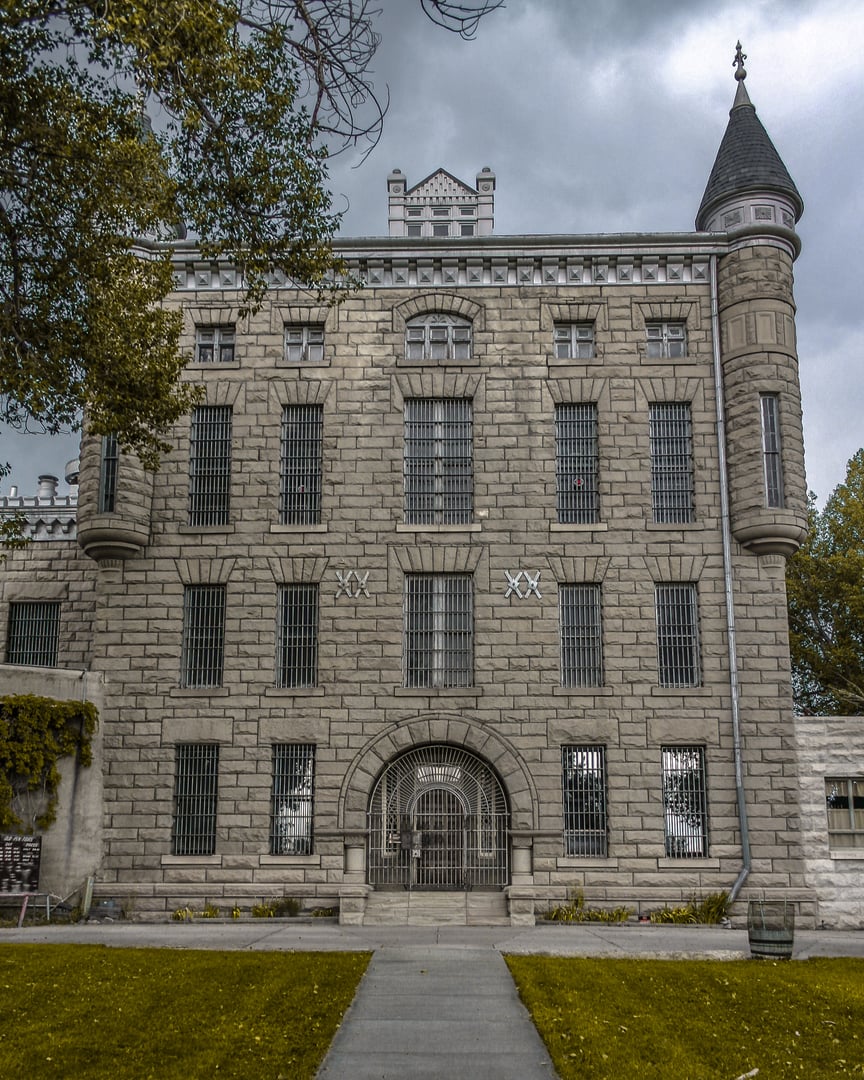
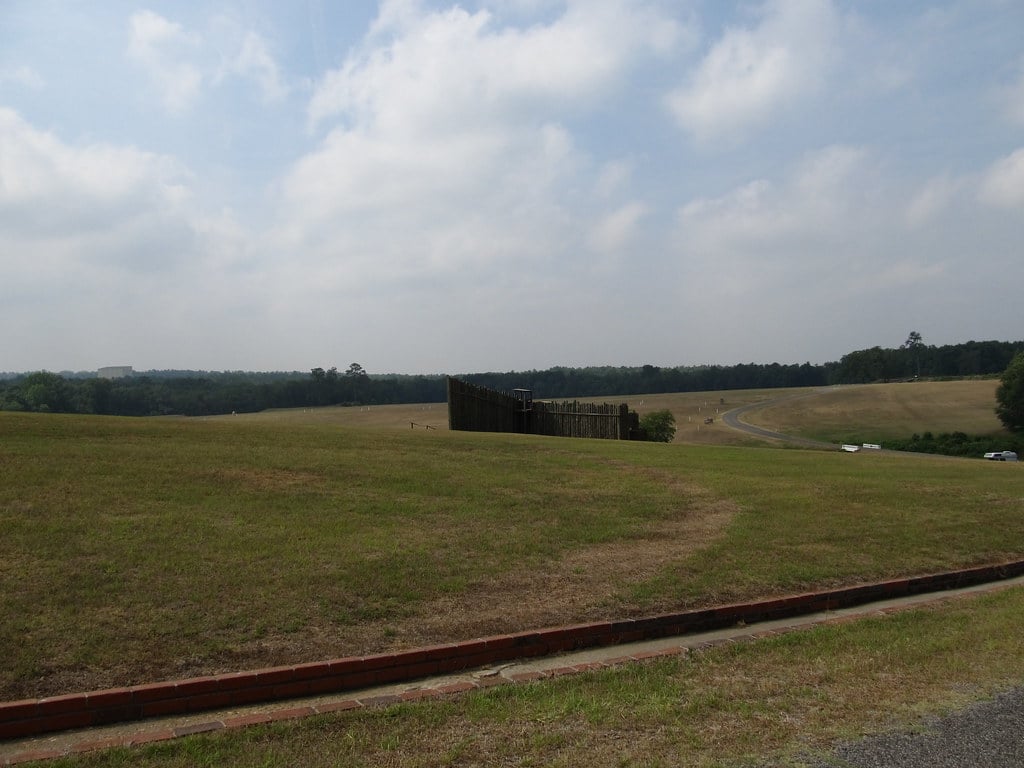
The Connecticut General Assembly that same year voted to convert the abandoned workings into a prison. New-Gate, named for London's Newgate Prison, opened in late 1773. Inmates were lowered into the mine via a 70-foot shaft and slept in the underground chambers, with a guardhouse and palisade above ground. Between 1776 and 1782, the prison housed loyalists and prisoners of war taken by the Continental Army during the Revolution.
New-Gate became Connecticut's official state prison in 1790. The site held more than 100 inmates at peak. Conditions in the mine were severe - cold, damp, and dark - and prisoners worked aboveground at nail-making and shoemaking trades. The prison closed in 1827 when the new Wethersfield State Prison opened. The site was briefly farmed and operated as a tourist attraction during the 19th century before passing to the State of Connecticut in 1968.
New-Gate was designated a National Historic Landmark in 1972 and is now operated by the Connecticut Department of Economic and Community Development as a state museum and archaeological preserve. The site is open Friday through Monday, May through October.
Sources
- https://en.wikipedia.org/wiki/Old_New-Gate_Prison
- https://portal.ct.gov/decd/content/historic-preservation/04_state_museums/old-newgate-prison-and-copper-mine
- https://connecticuthistory.org/notorious-new-gate-prison/
- https://eastgranbyct.org/old-new-gate-prison-and-copper-mine-info/
ApparitionsPhantom sounds
Old New-Gate's underground workings produce two persistent visitor accounts. The first concerns a face described as visible in the rock at the location of a historical ceiling collapse. Local oral tradition holds that a miner or prisoner was killed in the collapse, and that the rock formation has since been read as a death mask. The geology of the limestone-and-copper deposit produces irregular faces and shapes throughout the workings; whether the specific feature corresponds to a documented fatality is not established in archival records.
The second account is the death of an unnamed prisoner during an escape attempt. Local reports describe him as the last man killed at the prison, attempting to climb a rope up through a well shaft when the rope failed. He died from impact or drowning in the well below. The Connecticut Department of Economic and Community Development's interpretive materials acknowledge a history of escape attempts and on-site deaths but do not single out a specific final fatality.
The site does not host overnight investigations or marketed paranormal tours, though it does run an October Jack O'Lantern program in the underground spaces - an interpretive event rather than a paranormal one.