Est. 1912 · Federal Penitentiary · National Historic Landmark · Civil War Military Site · Native American Occupation 1969-1971 · Golden Gate National Recreation Area
Spanish explorer Juan Manuel de Ayala charted San Francisco Bay in 1775 and labeled the island La Isla de los Alcatraces — the Island of the Pelicans — on his navigational charts. By 1850, the U.S. Army had established a military garrison on the rocky 22-acre outcropping, constructing the first lighthouse on the Pacific Coast and fortifying the island against potential naval attack. During the Civil War, Alcatraz confined Confederate sympathizers and military prisoners in the brick citadel that would eventually become part of the prison's main cellhouse structure.
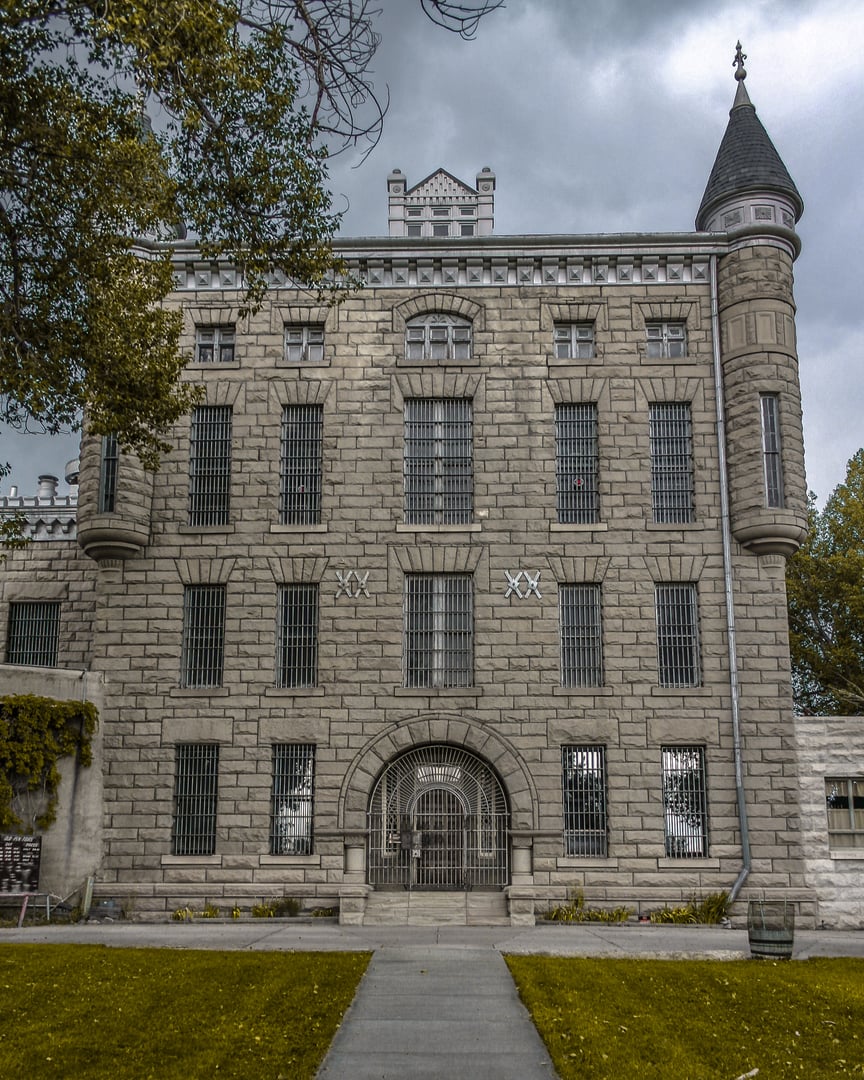
From 1868 onward, the Army used Alcatraz exclusively as a military prison, housing both American soldiers convicted of crimes and prisoners taken during the Spanish-American War, including Filipino insurgents who arrived after 1900. The main cellhouse was constructed between 1910 and 1912, and the Army operated it as the United States Disciplinary Barracks until 1933.
The Federal Bureau of Prisons acquired Alcatraz on October 12, 1933, and spent roughly a year converting the island to maximum-security civilian federal use. The first 137 inmates arrived from Leavenworth, Kansas by train on August 11, 1934. The prison was conceived as the ultimate deterrent — a 'last resort' facility for men who had proven ungovernable at other federal institutions. Operating costs ran nearly $10 per prisoner per day (compared to $3 at Atlanta), and every gallon of fresh water had to be barged from the mainland.
During its operational years, Alcatraz held some of the most publicly known criminal figures of the mid-20th century. Al Capone arrived in August 1934 and spent four and a half years on the island. Robert Stroud, known as the Birdman of Alcatraz, spent 17 years on the island — though his bird studies were actually conducted at Leavenworth, not Alcatraz. Machine Gun Kelly, Alvin Karpis, and Mickey Cohen all passed through the cellhouse.
Fourteen men died in escape attempts across the prison's history. The most dramatic was the Battle of Alcatraz in May 1946, when six inmates seized weapons and took over a portion of the cellhouse. The two-day siege ended with marines storming the island and three inmates killed. The prison closed on March 21, 1963 — the operating costs had become unsustainable. In 1969, the group Indians of All Tribes occupied the island for 19 months, asserting treaty rights to surplus federal land before federal marshals removed them in 1971. The island became part of Golden Gate National Recreation Area in 1972.
Sources
- https://en.wikipedia.org/wiki/Alcatraz_Island
- https://www.nps.gov/alca/index.htm
- https://www.britannica.com/place/Alcatraz-Island
- https://www.bop.gov/about/history/alcatraz.jsp
- https://www.cbsnews.com/sanfrancisco/news/climate-researchers-on-alcatraz-island-have-haunting-experience-staying-in-prison-cells/
- https://www.legendsofamerica.com/ca-alcatrazghosts/
ApparitionsCold spotsPhantom soundsPhantom footstepsPhantom voicesDisembodied screamingEMF anomalies
The documented accounts from Alcatraz guards predate the prison's tourist life by decades. Staff described unexplained crashing sounds from empty sections of the cellhouse, running footsteps in corridors they had just walked, and cell doors that secured themselves. These reports came from officers who worked the building daily and had professional reasons to be skeptical.
D-Block — the disciplinary isolation unit — draws the most consistent accounts. Cell 14D was the worst assignment in the prison's punishment hierarchy: stripped of furniture and natural light, the cell measured roughly 5 by 9 feet with only a hole in the floor for sanitation. Multiple former guards and visiting investigators have noted the cell registers measurably colder than the surrounding block — anecdotal estimates range from 10 to 20 degrees, though no instrumentation study has been published.
A persistent story circulating among former staff describes a 1940s prisoner placed in the isolation unit who screamed through the night about an entity sharing his cell, and was found dead by morning with marks on his throat that the official report attributed to self-infliction. A companion story holds that the morning rollcall produced one extra count — 14 prisoners counted in 13 cells. Neither story appears in surviving archival records; both come down through guard oral tradition rather than documented incident reports. Take them as folklore, not history.
What is documented: the utility corridors that thread between the cellhouse walls produced unexplained sounds reported repeatedly across multiple shifts and decades — metallic clanging and dragging, heard after the population was locked down. Guards who worked the building for years and retired skeptical of paranormal claims still chose, when they retired, to tell these stories.
Psychic investigators who conducted sessions in D-Block have described receiving impressions of extreme anguish and confinement. These are interpretive accounts, not archival ones. What can be verified: Cell 14D is cold, the prison's operational history includes poorly explained deaths, and the long-running guard testimony — measured against official records — gives the building's reputation a foundation that doesn't depend on the more theatrical legends.
Notable Entities
The Entity of Cell 14D
Media Appearances
- Ghost Adventures
- Most Haunted
- Ghost Hunters
- Ghost Files: The Ghostly Prisoners of Alcatraz (2022)