Outdoor Exploration
Judges Cave hike
Hike the Regicides Trail to the boulder shelter and read the historical marker noting Whalley and Goffe's 1661 refuge.
- Duration:
- 1.5 hr
HauntBound archive · catalog record
Reported phenomena, as catalogued
Boulder-pile shelter atop West Rock where regicide judges Edward Whalley and William Goffe hid beginning May 15, 1661 to evade Charles II's pursuers; a brooding stop on New Haven's regicide trail.
West Rock Ridge State Park, Regicides Trail, New Haven, CT 06515
Research updated May 2026
Age
All Ages
Cost
Free
Free public state park.
Access
Limited Access
Trail hike from Amrhyn Field or Wintergreen Avenue; some uneven rocky terrain near the cave.
Equipment
Photos OK
Est. 1661 · Refuge of regicides Edward Whalley and William Goffe (1661) · Anchor site of the New Haven regicide tradition (Whalley/Goffe/Dixwell Avenues) · Preserved within West Rock Ridge State Park along the Regicides Trail
Edward Whalley and William Goffe were two of 59 English commissioners who signed the death warrant of King Charles I in 1649. When Charles II was restored to the English throne in 1660, he ordered the regicides hanged, drawn, and quartered. Whalley and Goffe fled to colonial New England, initially landing in Boston before moving to New Haven, where their fellow regicide John Dixwell — living under the alias 'John Davids' — had already been quietly accepted into the community.
When royal warrants arrived in New Haven, the two were first sheltered in the home of Reverend John Davenport, the Puritan minister and a founder of the New Haven Colony. As pursuit intensified they were moved to a defensible boulder pile atop West Rock, beginning on May 15, 1661. For some weeks they survived on scraps brought by Richard Sperry, a sympathetic local Puritan farmer who hiked food up to the ridge. According to the long-circulated regional tradition, a panther (catamount) prowling the ridge eventually drove them out, and they fled northward to Hadley, Massachusetts, where they spent the remainder of their lives.
The boulder shelter has been known as 'Judges Cave' for centuries and lies on the trail now named the Regicides Trail within West Rock Ridge State Park. Three downtown New Haven streets — Whalley, Goffe, and Dixwell Avenues — are named for the three regicides, anchoring the story in the city's everyday geography. The site is documented by the historical-marker database, Atlas Obscura, Connecticut Museum Quest, and the Lost New England photography archive.
Sources
The single most-circulated piece of folklore attached to Judges Cave is the panther story: that a catamount prowling West Rock at night terrified Whalley and Goffe sufficiently to force them off the ridge and onward to Hadley. The story is documented in early New Haven historians and recurs in the Connecticut Museum Quest and OnlyInYourState writeups; whether the encounter was literal or a folkloric embellishment of the fugitives' fear is not resolvable from the surviving record.
Beyond the panther legend, the cave's reputation among regional folklorists is atmospheric rather than narrative. The site does not have a body of specific apparition reports; instead it carries a brooding 'haunted-by-history' character — the weight of two men hiding from a death sentence for weeks in a stone pile on a Connecticut ridge. New Haven ghost-tour operators include the site on regicide-themed itineraries and emphasize its atmosphere of unease at dusk.
Visitors should treat the cave as a historic boulder shelter and exercise normal trail caution. The surrounding forest is the home of an ongoing eastern-coyote and bobcat population; the historical panther is long extirpated from southern Connecticut.
Hike the Regicides Trail to the boulder shelter and read the historical marker noting Whalley and Goffe's 1661 refuge.
Some links on this page may earn HauntBound a small commission when you book, at no extra cost to you. Our editorial picks are independent. Full disclosure
Every HauntBound history is researched from documented sources. We clearly separate verified historical fact from paranormal folklore.
Free Guide
10 verified stops, rated for families, mapped in order. Free.
One email to confirm, then the guide link. Unsubscribe anytime.
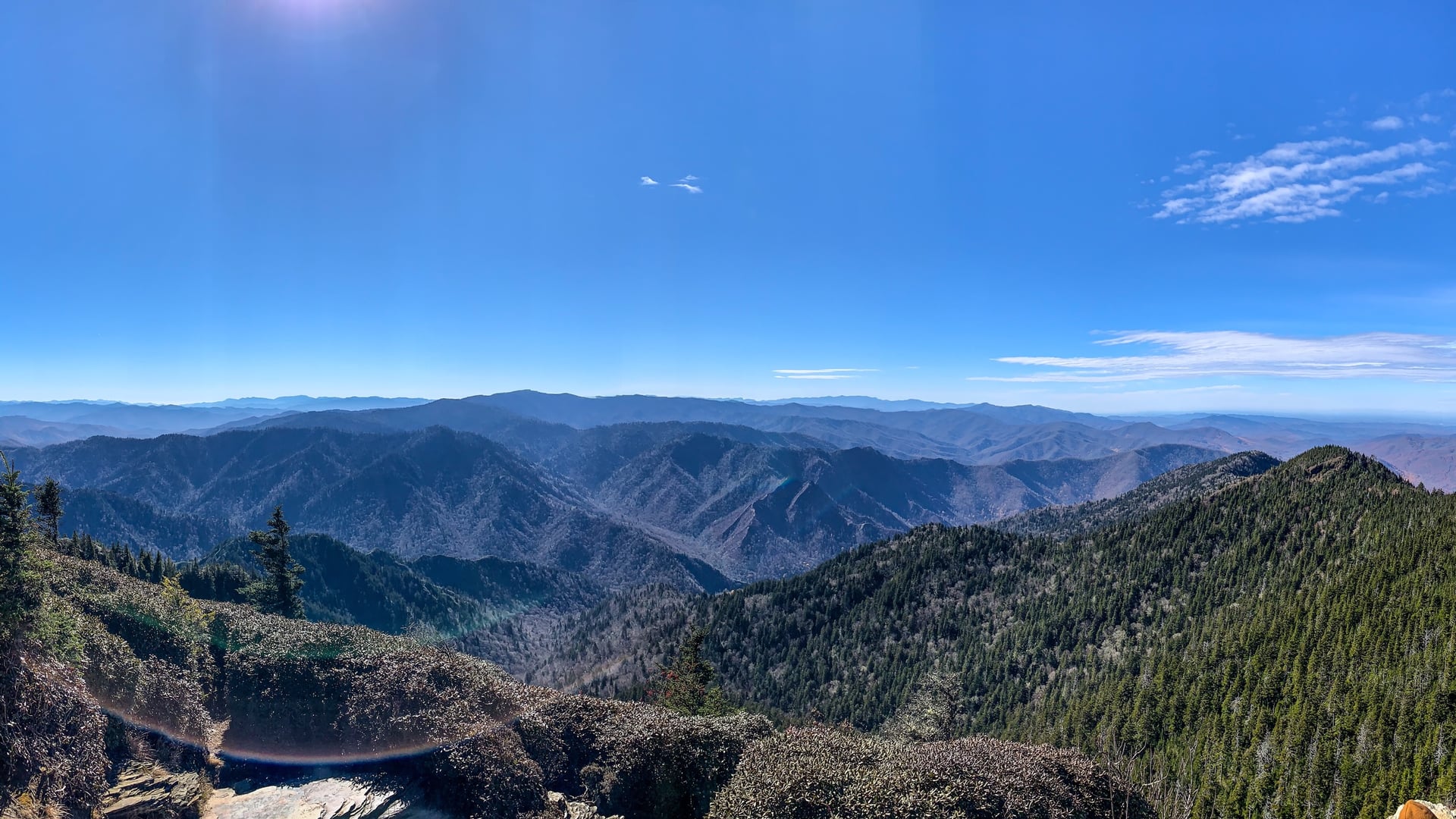
Gatlinburg, TN
Great Smoky Mountains National Park preserves 522,427 acres of southern Appalachian terrain across Tennessee and North Carolina. The land was the heart of the Cherokee Nation before forced removal in 1838 along what became the Trail of Tears, and home to Appalachian Scots-Irish and English settler communities through the early twentieth century. Congress authorized the park in 1926; it was formally dedicated by Franklin D. Roosevelt on September 2, 1940.
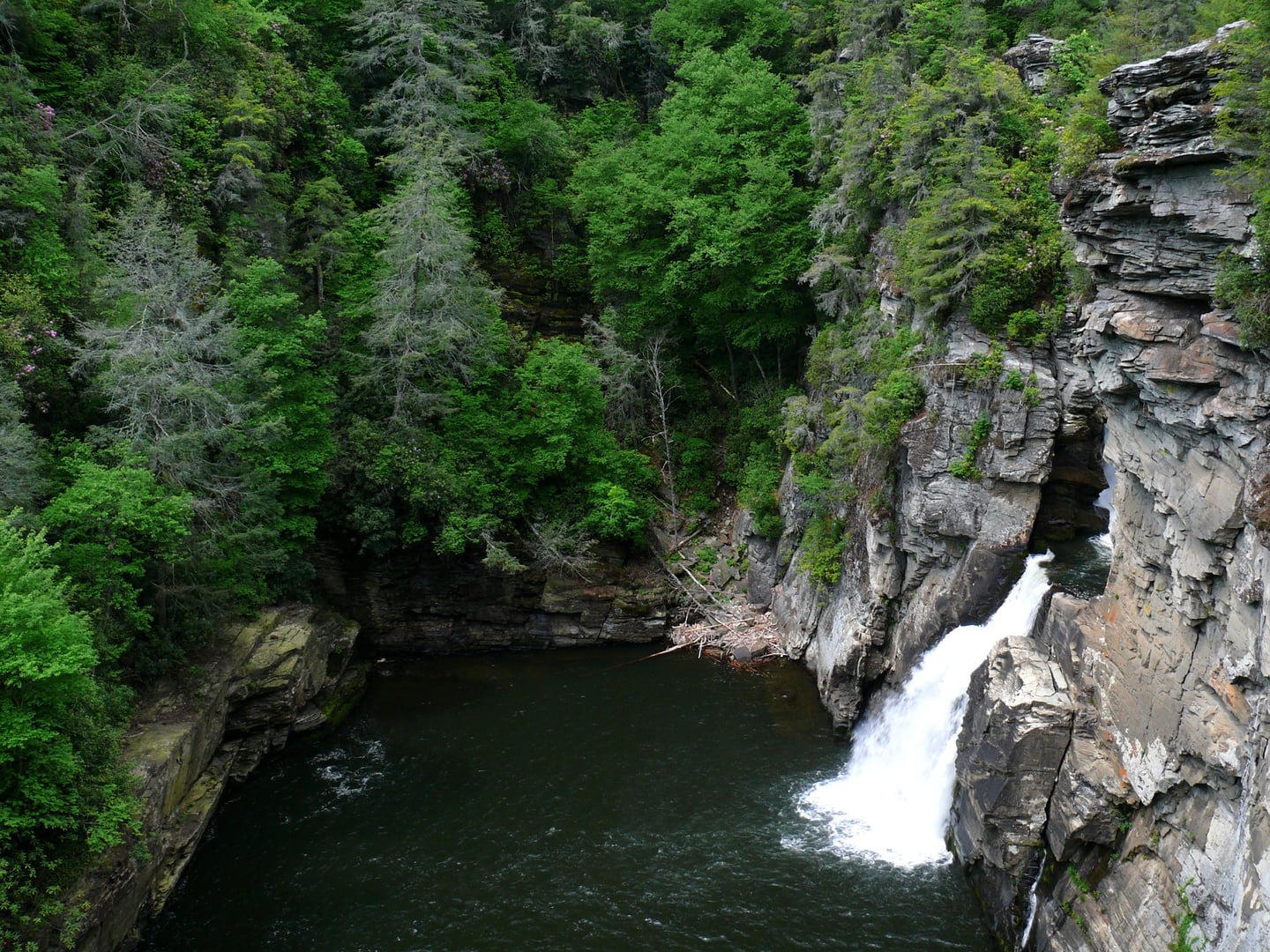
Marion, NC
Linville Gorge, carved by the Linville River through the southern Blue Ridge Mountains of Burke and McDowell Counties, is the deepest river gorge in the eastern United States. Managed as wilderness within Pisgah National Forest, the gorge has been associated with the Brown Mountain Lights phenomenon since at least 1910, when documented reports began appearing in print. USGS scientist George R. Mansfield conducted the first formal government investigation in 1922.
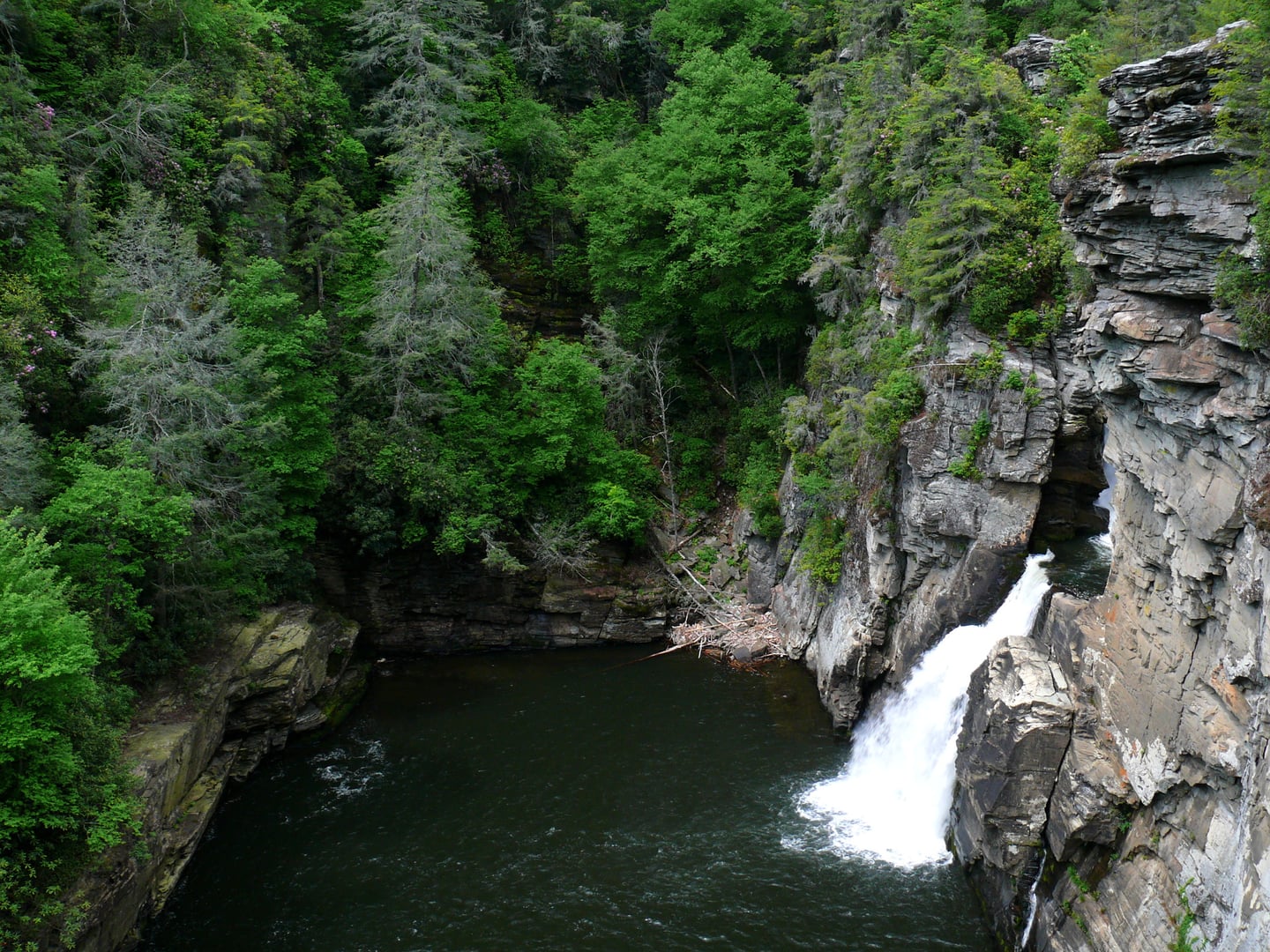
Linville Falls, NC
The Linville Gorge Wilderness in Burke County, North Carolina is part of the Pisgah National Forest and contains the deepest river gorge in the eastern United States. The Brown Mountain Lights — unexplained luminous phenomena visible from Wiseman's View and other overlooks near the gorge — were first reported in published accounts around 1910. A 1922 USGS investigation by George R. Mansfield traced the lights he observed to trains, automobile headlights and brush fires.