Guided Tour
Crypt tour
Docent-led tour through the under-sanctuary crypt preserving 137 colonial headstones in situ, including those of New Haven Colony founders.
- Duration:
- 45 min
HauntBound archive · catalog record
Reported phenomena, as catalogued
Congregational meetinghouse on the New Haven Green built 1812-1814 directly over the colony's original 1638 burying ground, with an in-situ crypt holding 137 marked stones (from 1687) and the remains of more than 1,000 colonists.
250 Temple Street, New Haven, CT 06511
Research updated May 2026
Age
All Ages
Cost
Free
Crypt tours are offered free or by donation on a seasonal schedule.
Access
Limited Access
Stairs to the crypt level; sanctuary entrance has steps.
Equipment
Photos OK
Est. 1814 · Congregation organized 1639 by New Haven Colony founders Davenport and Eaton · Present meetinghouse built 1812-1814 over a portion of the 1638 burying ground · In-situ crypt preserves 137 colonial headstones (earliest 1687) and 1,000+ remains · Burials of Theophilus Eaton, Rev. James Pierpont, and other founders
The First Church of Christ in New Haven (now Center Church on the Green) was organized on August 23, 1639 by Puritans led by Reverend John Davenport and Theophilus Eaton, who served 19 years as the first governor of the New Haven Colony. The present brick Federal-style meetinghouse — the congregation's third — was constructed between 1812 and 1814 on the New Haven Green.
When the building was sited, the congregation chose to build directly over a section of the colony's original 1638 burying ground rather than disturb the graves. The graves and stones were left in their original positions and an enclosed chamber was constructed around them, protected by the church's foundation. The resulting Crypt contains 137 identified headstones dating from 1687, along with the likely remains of more than 1,000 unidentified colonists. Among the documented burials are Theophilus Eaton; Rev. James Pierpont, a founder of Yale College; the first wife of Benedict Arnold; and ancestors of President Rutherford B. Hayes.
The Crypt is one of very few colonial burying grounds in New England to survive untouched beneath a still-active church building. Center Church operates a seasonal Crypt tour program through its history office, and the site is documented by the New England Historical Society, Atlas Obscura, and the Connecticut Museum Quest.
Sources
Ghost-walk operators including US Ghost Adventures include the Crypt as a stop on their New Haven tours, citing decades of parishioner and visitor accounts of disembodied voices echoing in the underground chamber. The most-circulated story attributes a deep, masculine voice asking 'have you been saved?' to Theophilus Eaton, the New Haven Colony's first governor whose remains are interred in the crypt. Tour narratives also describe shadowy figures glimpsed descending the stairs into the crypt and atmospheric cold spots near specific markers.
These accounts are documented in ghost-tour materials and atmospheric travel writing rather than in academic or newspaper sources. Center Church's own history page describes the Crypt in straightforwardly historical terms and does not endorse the paranormal claims; the building's official identity is as a working United Church of Christ congregation. The crypt is treated with reverence by the congregation, and visitors are expected to do the same.
Notable Entities
Docent-led tour through the under-sanctuary crypt preserving 137 colonial headstones in situ, including those of New Haven Colony founders.
Some links on this page may earn HauntBound a small commission when you book, at no extra cost to you. Our editorial picks are independent. Full disclosure
Every HauntBound history is researched from documented sources. We clearly separate verified historical fact from paranormal folklore.
Free Guide
10 verified stops, rated for families, mapped in order. Free.
One email to confirm, then the guide link. Unsubscribe anytime.
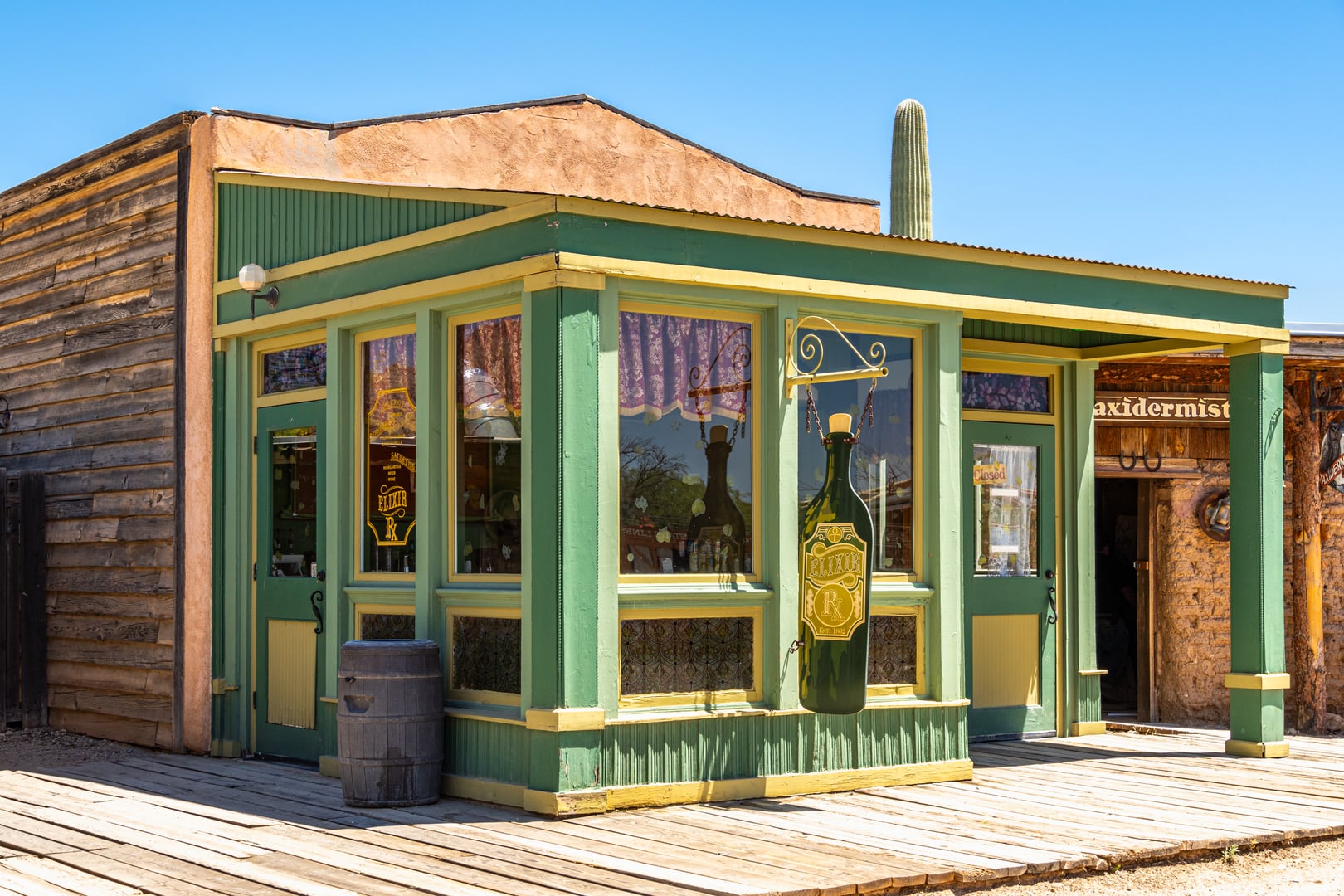
Tucson, AZ
Old Tucson was constructed in 40 days in 1939 by Columbia Pictures for the film Arizona, then opened to the public as a tourist attraction in 1960. It has been used in over 300 film and television productions. On April 24, 1995, an arson fire destroyed nearly 40 percent of the studio, causing $10 million in damage; the park reopened after nearly two years of reconstruction.
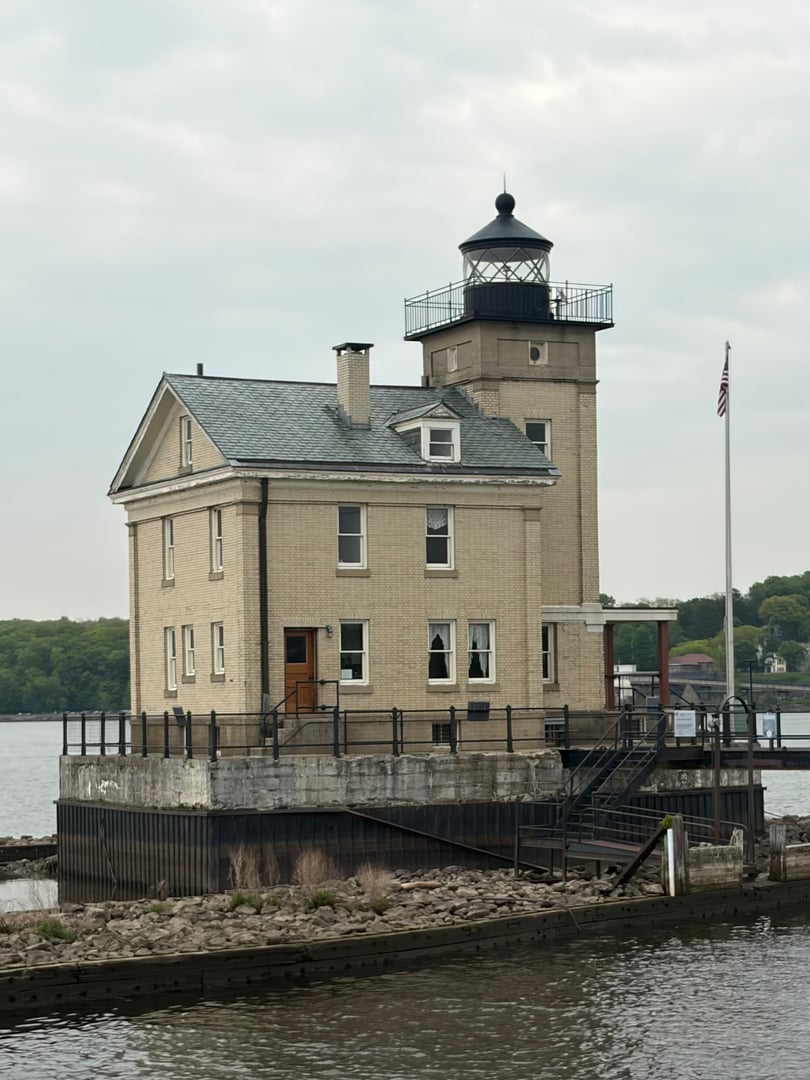
Kingston, NY
Three successive lighthouses have marked the mouth of Rondout Creek on the Hudson River since 1837. The current yellow-brick structure dates to 1915 and remains an active navigational light. Its most consequential chapter began in 1856, when keeper George W. Murdock drowned returning from a supply run — and his wife Catherine took over, ultimately serving 51 years without interruption.
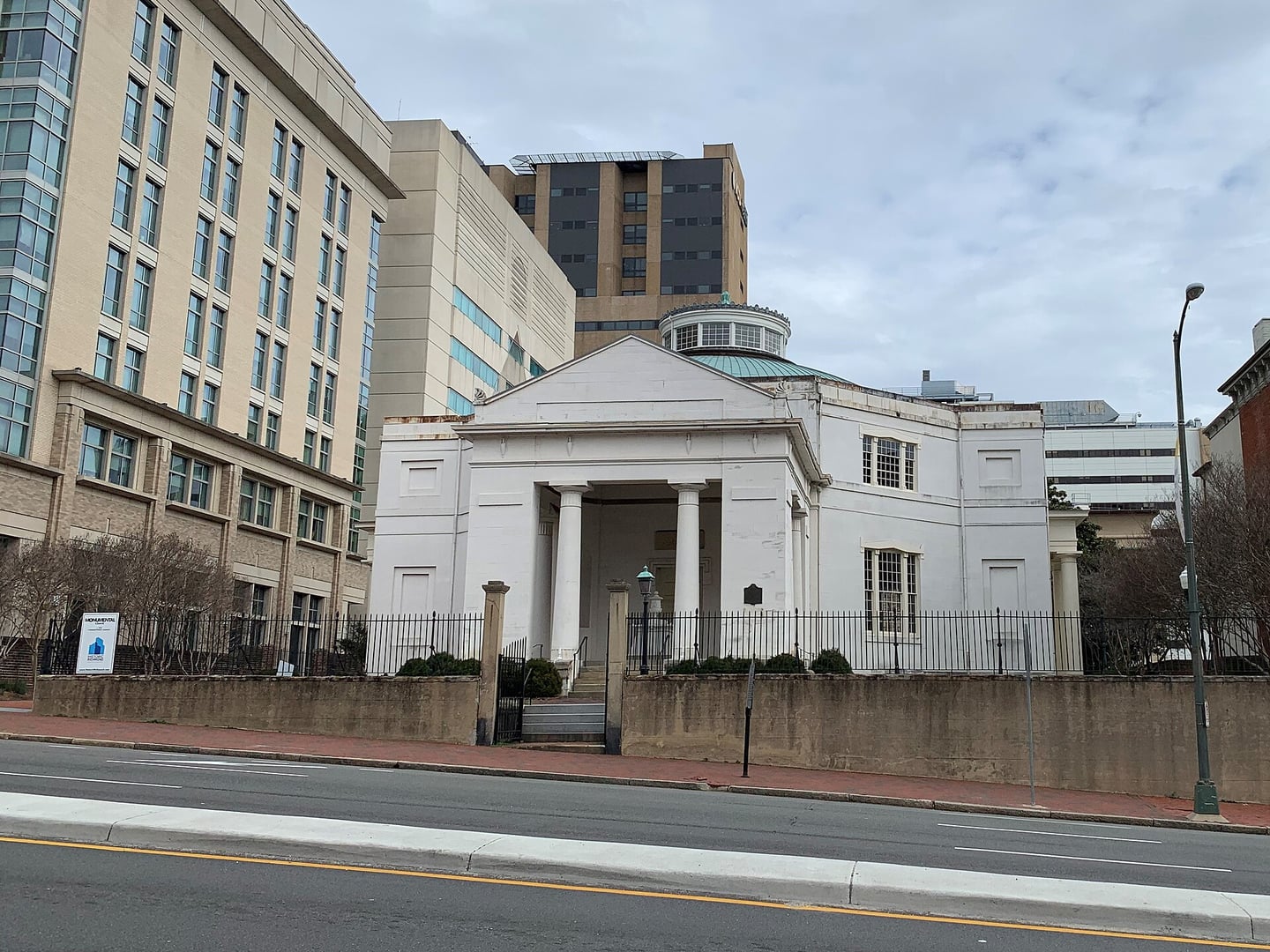
Richmond, VA
Monumental Church stands at 1224 E Broad Street on the site of the Richmond Theatre fire of December 26, 1811, which killed 72 people including Virginia governor George William Smith and former U.S. senator Abraham B. Venable in what was the worst urban disaster in the early United States. The Greek Revival memorial church was commissioned by U.S. Chief Justice John Marshall, designed by Robert Mills (a pupil of Thomas Jefferson and architect of the Washington Monument), and built between 1812 and 1814. The remains of the fire victims are interred in a brick crypt beneath the sanctuary.