Est. 1896 · 1842 congregation split from Mobile's first Methodist church · Current 1896 Watkins and Johnson Romanesque-revival structure · Deconsecrated 1993 · 2015 renovation as concert/event venue · Home of Downtown Church Sunday services
The St. Francis Street Methodist Church was founded in 1842 when 39 members of Mobile's first Methodist Church (known as 'the Beehive') split off to form a new congregation a few blocks away. The original mahogany-doored 1842 church served the congregation for over fifty years.
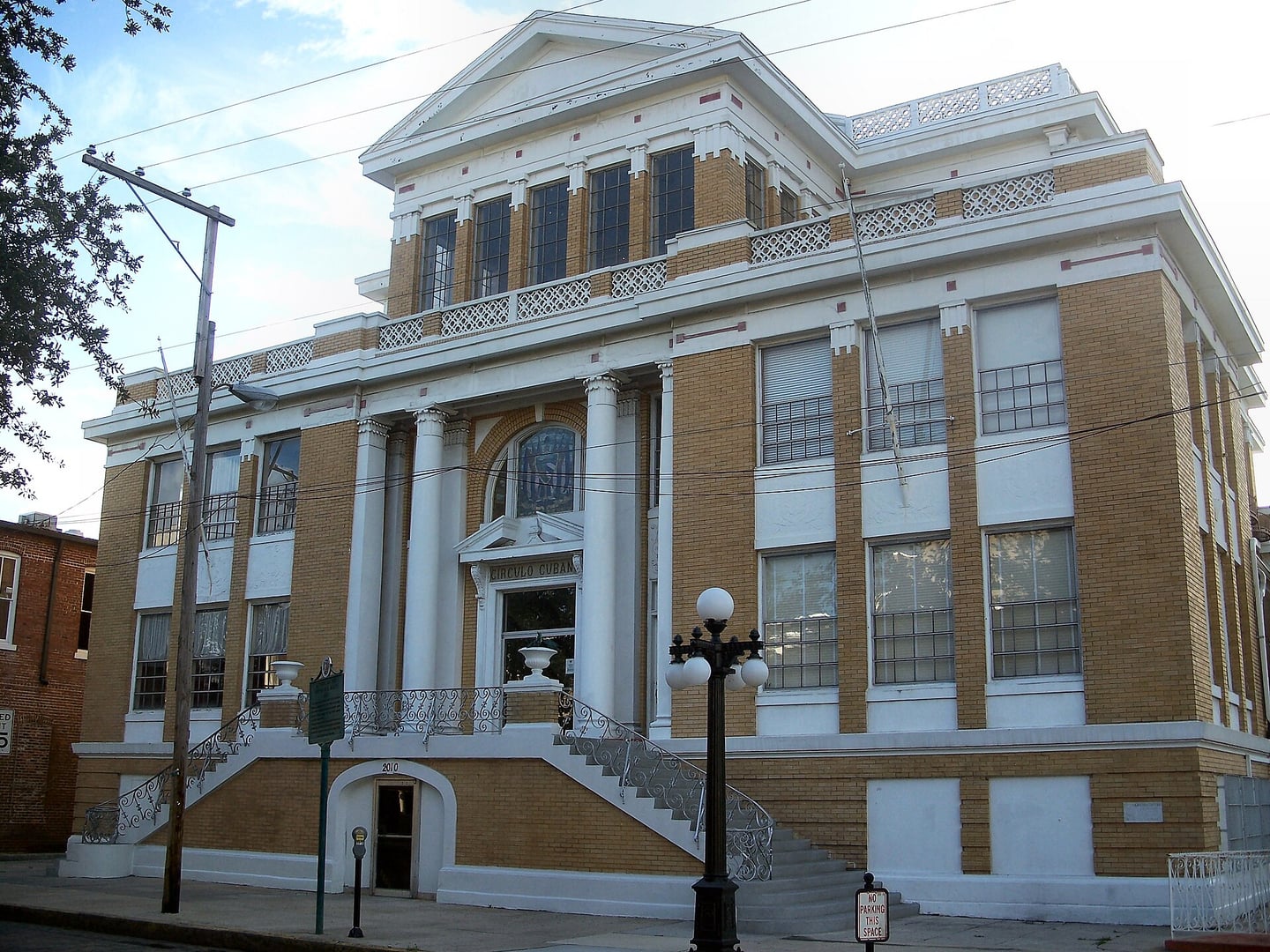
An ammunition-depot fire in downtown Mobile in the 1890s caused significant damage and structural concerns for the building. The original church was demolished in 1895. The current Romanesque-revival structure was built in 1896 by the Mobile architectural firm Watkins and Johnson. Remains of the original structure survive in the foundation, and the building's distinctive cornerstones bear the dates of both church buildings.
The church served as a working Methodist congregation through the twentieth century, ultimately closing in 1993. The building stood largely unused until 2015, when a major renovation converted it into The Steeple — a concert and event venue and special-occasion space. The Cottage Hill Baptist church planted Downtown Church as a campus at The Steeple to use the space for Sunday services.
Mobile's repeated nineteenth-century yellow fever epidemics — including a 1842 outbreak that produced approximately 160 cases and 70 deaths, and far larger epidemics in 1853 and the 1870s — gave the original church a documented role in providing last rites and funerals for Mobile's epidemic dead. The 1842 epidemic struck during the church's first year of operation, and the congregation's pastoral care extended directly into the city's fever wards. This historical context anchors the Steeple's contemporary haunted reputation.
Sources
- https://en.wikipedia.org/wiki/St._Francis_Street_Methodist_Church
- http://www.thesteeplemobile.com/story
- https://thealabamabaptist.org/historic-mobile-church-building-now-new-home-to-cottage-hill-downtown-campus/
- https://www.pensacolaghostevents.com/post/16-of-mobile-alabama-s-most-haunted-locations
- http://www.usdeadlyevents.com/1842-july-oct-yellow-fever-epidemics-mobile-al-66-77-new-orleans-211-285-289/
Shadowy figures in the churchyard at duskSudden cold touches in interior spacesPlumbing fixtures activating without occupantsUnexplained lights in empty rooms
The Steeple's haunted reputation is documented primarily in the Pensacola Ghost Events compilation of Mobile's most-haunted locations and in tour-route lore. The published reports cluster around the churchyard and the building's interior service spaces.
The most-cited churchyard phenomenon involves shadowy figures moving along the small green space adjacent to the building, typically reported at dusk and described as silhouettes moving against the wall before disappearing. The building's interior reports involve sudden cold touches felt by event staff and visitors, plumbing fixtures that activate without anyone present, and lights that flicker or turn on in empty rooms. None of the reports involve apparitional encounters of named historical figures; the activity is characterized as residual rather than intelligent.
The Pensacola Ghost Events feature ties the activity to the original church's nineteenth-century role in administering rushed last rites and emergency funerals during Mobile's repeated yellow fever epidemics. Mobile's 1842 epidemic struck during the St. Francis Street congregation's first year of operation, and the city's much larger 1853 yellow fever epidemic produced approximately 765 deaths during a period when this church was a primary congregation site. The volume of emergency religious services would have included families requesting hurried last rites for the dying. This framing — residual activity rooted in concentrated emergency-ministry trauma — is the primary interpretive lens applied to the building's reports.
The Steeple's haunted reputation is less prominent than several other Mobile sites' lore, with most-haunted-locations compilations including it as a category-of-interest stop rather than a flagship paranormal landmark. The 1894 ammunition-depot fire that damaged the original building and the long late-twentieth-century period of vacancy after 1993 each contribute additional historical layers to the current paranormal framing.
Media Appearances
- Pensacola Ghost Events compilation
- OnlyInYourState — Mobile Ghost Tour
Where this legend is told