Est. 1906 · Ohio and Erie Canal-era warehouse architecture · Early-20th-century furniture and funeral parlor business · Documented tombstone-repair storage history · Canal Fulton Historic District
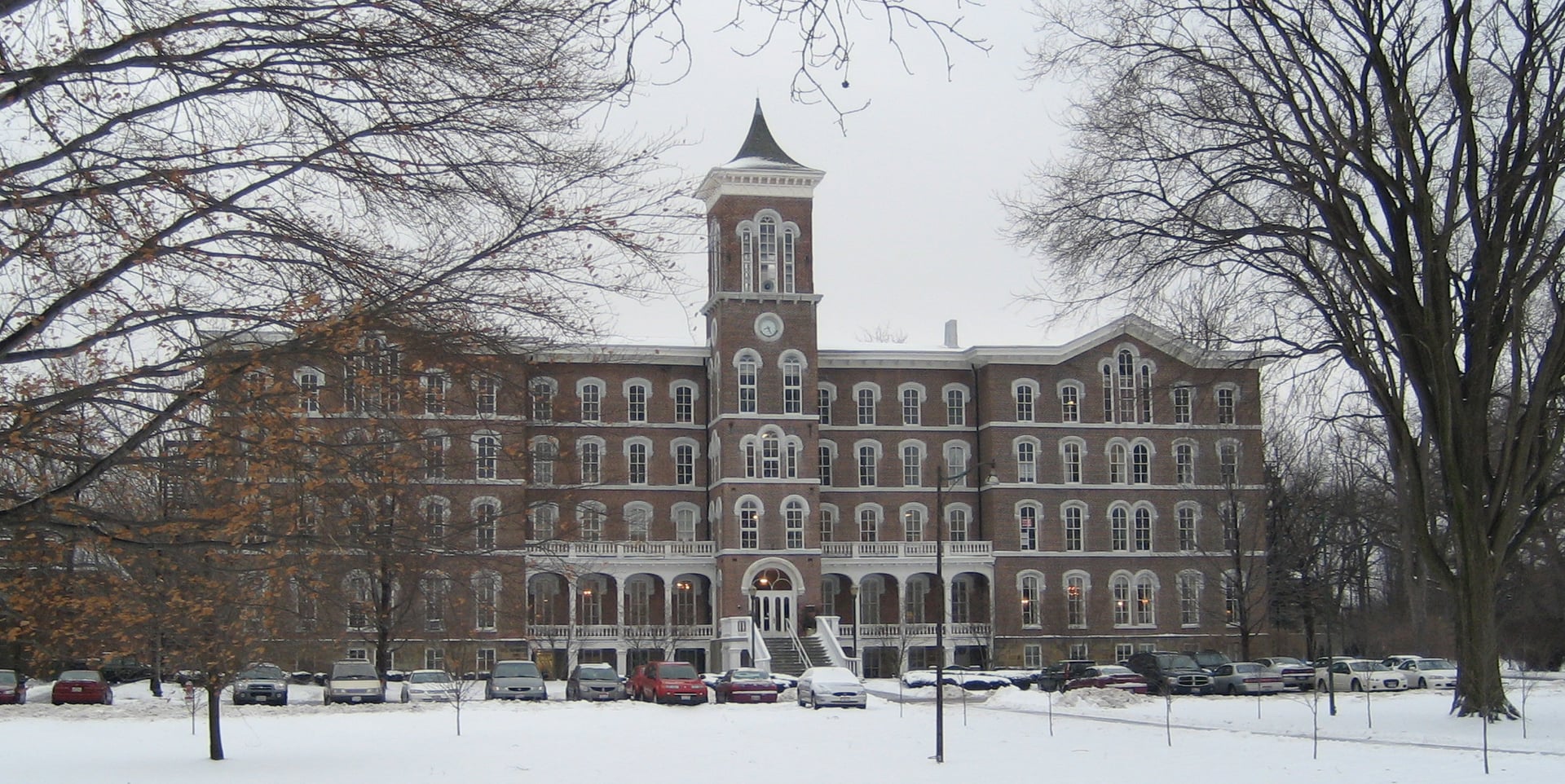
The Warehouse on the Canal at 239 N. Canal Street in Canal Fulton, Ohio, was built in 1906 along the banks of the historic Ohio and Erie Canal. According to the operator's own history page and Visit Canton, the original owner Charles O. Finefrock used the first two floors of the three-story brick building to sell and warehouse furniture. Beginning around 1916, Finefrock operated a mortuary and funeral parlor in the basement of the building, which continued operations until the 1930s. The third floor was used to store historical tombstones awaiting repair, including stones dating to the early 1800s.
The building survives with 18-inch-thick brick walls, original tin ceilings, and wooden floors. The current owners have renovated the property into a 20,000-square-foot event venue capable of hosting groups of up to 150 guests with on-site alcohol service and a list of approved caterers. The building is part of Canal Fulton's historic district, which was developed during the Ohio and Erie Canal era of the early 19th century and is documented in the Discover Canal Fulton heritage walking-tour program.
Sources
- https://warehouseonthecanal.com/
- https://www.visitcanton.com/directory/warehouse-on-the-canal/
- https://www.cityofcanalfulton-oh.gov/community/page/history
- https://discovercanalfultonevents.com/aboutwarehouseonthecanal.htm
Cold spots in the basement former-mortuary spaceFaint sounds in the third-floor tombstone-storage areaSense of presence in upper levels of the building
Folklore at the Warehouse on the Canal, summarized by Panicd.com and Discover Canal Fulton Events, is anchored in the building's documented basement-funeral-parlor history (c. 1916 to the 1930s) and its third-floor tombstone-repair-storage history. Visitors to event functions and guests on private tours have, over the years, reported the kinds of phenomena commonly associated with former mortuary spaces: cold spots in the basement, faint sounds in the third-floor storage areas, and the occasional sense of presence in the building's upper levels.
The current operators incorporate the funeral-parlor history into the building's interpretive story. Visitors interested in the lore are encouraged to attend regularly scheduled history-themed events rather than to expect ghost-hunt access; the building's primary use is as an event venue, and respect for that operation is expected.