Guided Tour Booking Required
Historic house museum tour
Guided tour of the 1776 Hale family farmhouse, furnished with period antiques including items associated with Nathan Hale.
- Duration:
- 1 hr
HauntBound archive · catalog record
Reported phenomena, as catalogued
The 1776 Coventry farmhouse of the family of Revolutionary patriot Nathan Hale, now a Connecticut Landmarks house museum, long said to be haunted by Deacon Richard Hale, a sweeping servant, and Nathan's brother Joseph.
2299 South Street, Coventry, CT 06238
Research updated June 2026
Age
All Ages
Cost
$$
Admission charged for guided museum tours; seasonal special events including evening/paranormal programs may have separate pricing.
Access
Limited Access
Historic 18th-century house and grounds; period structure with steps and narrow passages.
Equipment
Photos OK
Est. 1776 · Family home of Revolutionary patriot/spy Nathan Hale · 1776 colonial farmhouse on the original Hale farm · Restored by preservationist George Dudley Seymour (1914) · Operated as a house museum by Connecticut Landmarks
The Nathan Hale Homestead stands at 2299 South Street in Coventry, Connecticut, on a farm that belonged to Deacon Richard Hale, father of the Revolutionary War officer and spy Nathan Hale. Nathan Hale grew up on this farm but never lived in the house that bears his name today: the standing structure was built in 1776, the year of Nathan's capture and execution by the British, replacing the earlier family home on the same site.
In 1914 the property was purchased by George Dudley Seymour, a New Haven attorney who devoted himself to preserving Nathan Hale's memory. Seymour restored the house and furnished it with Connecticut antiques and Hale-family artifacts, including a trunk associated with Nathan Hale.
The homestead is now owned and operated by Connecticut Landmarks as a late-18th-century historic house museum. It interprets the life of the Hale family and the Revolutionary era, and it is open for guided tours seasonally, typically from Memorial Day through October, along with special events throughout the year.
The house is one of the best-documented colonial farmsteads in eastern Connecticut and a significant site in the state's Revolutionary War heritage.
Sources
The Nathan Hale Homestead is among Connecticut's best-known haunted historic houses. The tradition begins with the man who saved it: attorney George Dudley Seymour, who purchased the home in 1914, recorded in a diary that he and a companion saw the ghost of Deacon Richard Hale -- an elderly man in colonial dress -- peering out of a window one rainy night (Damned Connecticut; Connecticut Landmarks lore).
Several other spirits feature in the homestead's stories. A 'lady in white,' often identified as a former household servant -- in some tellings Lydia Carpenter -- is said to be seen sweeping the floors and tidying up, the residual echo of a lifetime of domestic work. Nathan's brother Joseph Hale, who was captured during the Revolution and imprisoned in the hold of a British prison ship, is associated with the sound of chains rattling in the basement, a grim callback to his wartime ordeal (Damned Connecticut; Ghost of New England).
Visitors and staff over the years have also reported the sound of footsteps pacing the upper floors and a general sense of presence in the old rooms. One detail stands out: despite the house carrying his name, the ghost of Nathan Hale himself has never been reported here -- a fitting absence, given that he was executed in New York and buried in an unmarked grave far from Coventry.
All of these accounts are local folklore tied to a thoroughly documented historic property, and the museum embraces its haunted reputation through seasonal programming.
Notable Entities
Guided tour of the 1776 Hale family farmhouse, furnished with period antiques including items associated with Nathan Hale.
Some links on this page may earn HauntBound a small commission when you book, at no extra cost to you. Our editorial picks are independent. Full disclosure
Every HauntBound history is researched from documented sources. We clearly separate verified historical fact from paranormal folklore.
Free Guide
10 verified stops, rated for families, mapped in order. Free.
One email to confirm, then the guide link. Unsubscribe anytime.
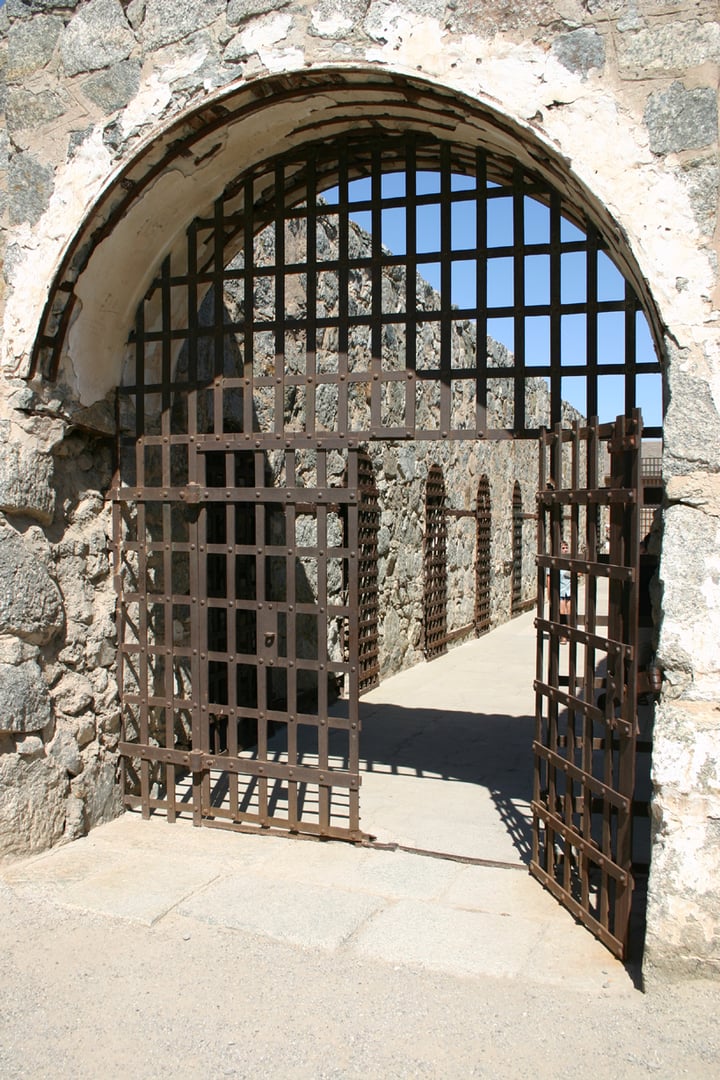
Yuma, AZ
Yuma Territorial Prison operated from 1876 to 1909 on a bluff overlooking the Colorado River in Yuma, Arizona. It held 3,069 prisoners during its 33-year operation, including 29 women. The facility became a state historic park and has been voted by USA Today readers as the Best Haunted Destination in the nation.
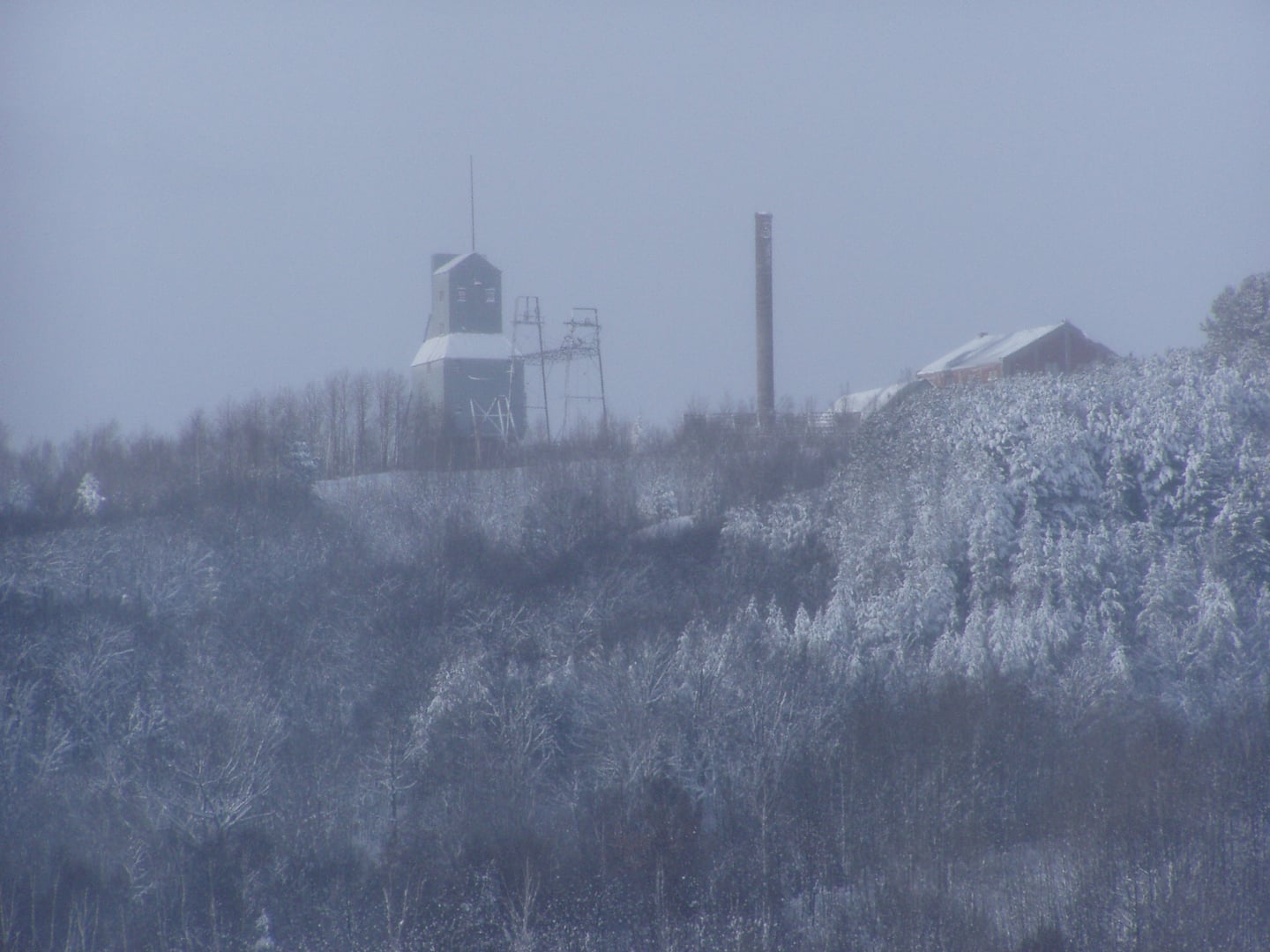
Hancock, MI
The Quincy Mining Company began extracting copper from the Keweenaw Peninsula in 1846 and operated continuously until 1945, producing nearly a billion pounds of copper. During that period, 253 workers died in documented underground accidents. At its deepest, the mine reached 9,000 feet — the deepest copper mine in the world at the time — and its No. 2 shaft hoist house is a National Historic Landmark.
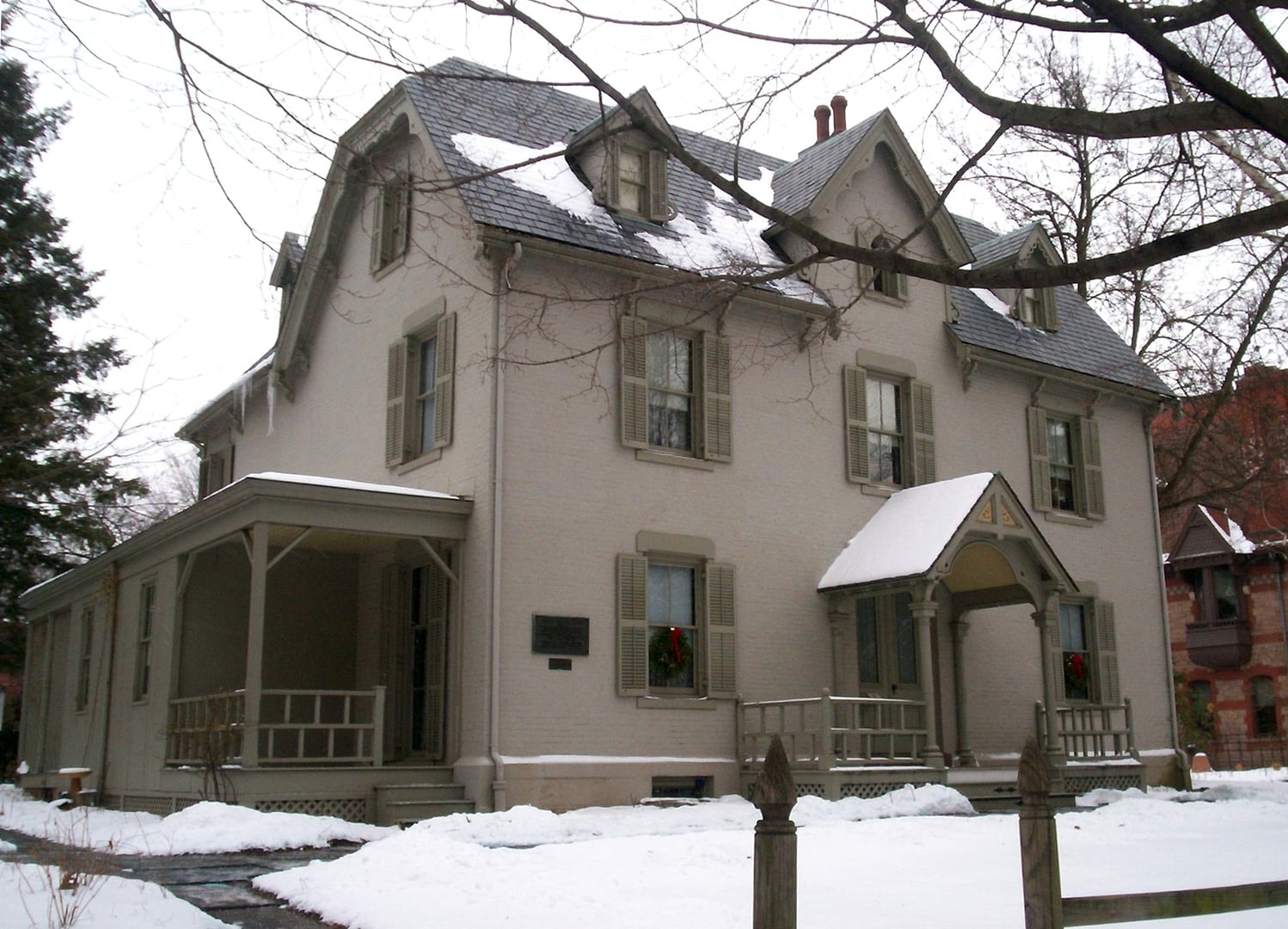
Hartford, CT
Built in 1871, the Gothic Revival cottage at 77 Forest Street became the home of abolitionist author Harriet Beecher Stowe and her husband Calvin in 1873 and remained her residence until her death in 1896. Stowe — author of 'Uncle Tom's Cabin' (1852) — lived in the Nook Farm neighborhood alongside Mark Twain and other Hartford writers. The home opened to the public as a museum in 1968 and operates today as the Harriet Beecher Stowe Center for Literary Activism.