Historic Ute Travel Corridor · 1855 Military Engagement · Civil War-Era Mountain Passage
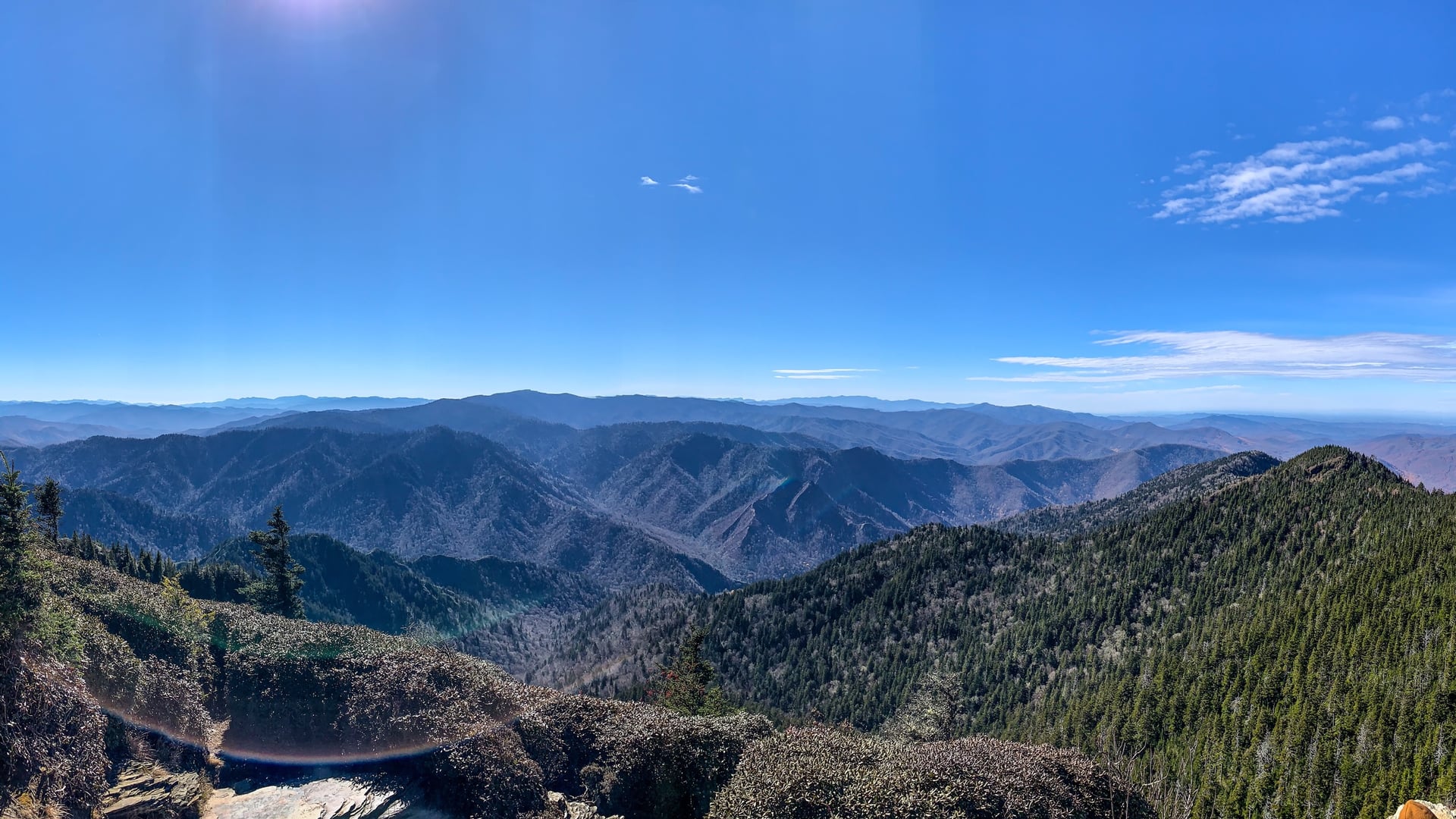
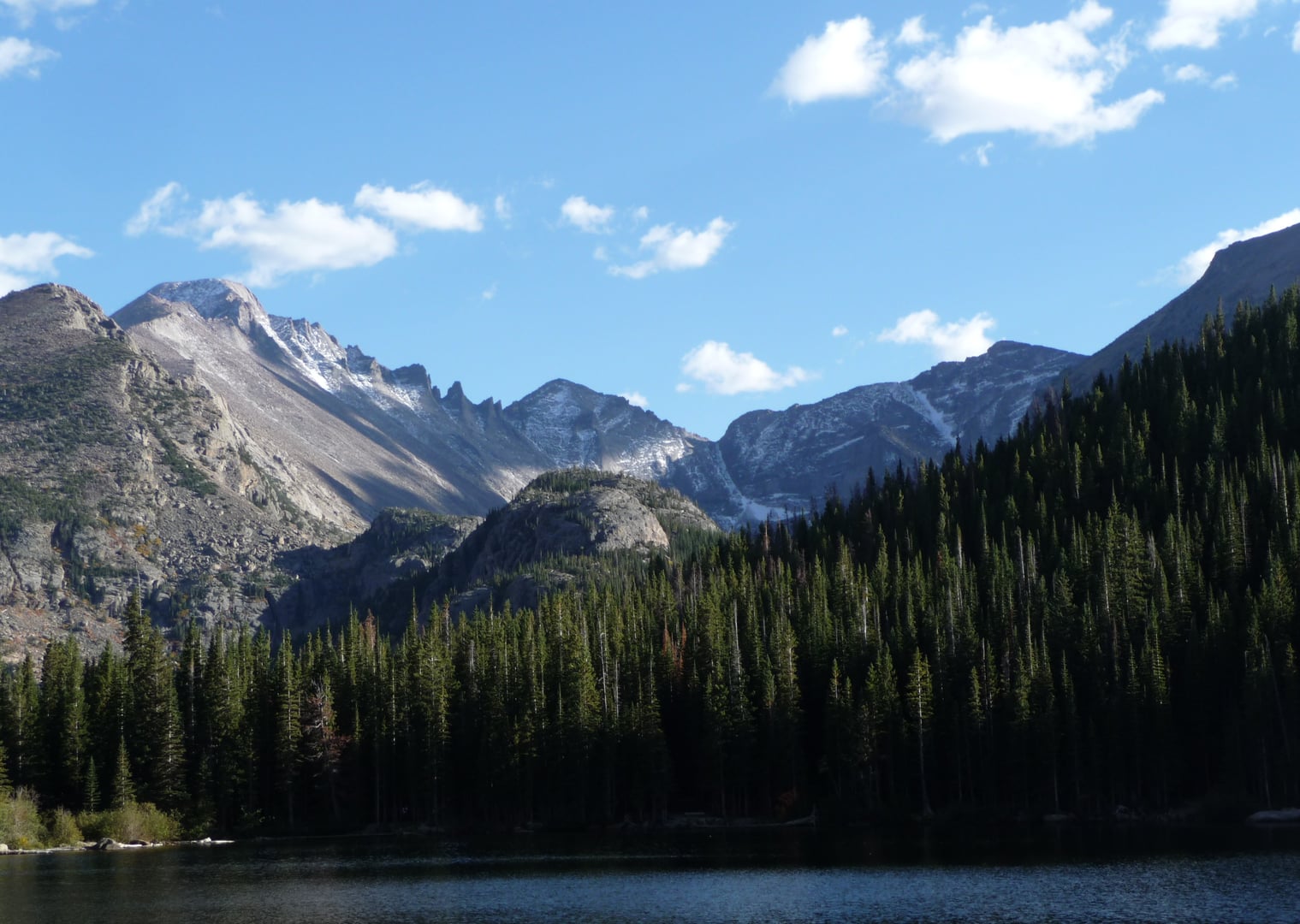
Poncha Pass crosses the Sangre de Cristo Range at 9,019 feet, connecting the upper Arkansas River drainage near Salida with the San Luis Valley to the south. The pass is distinctive among Colorado's major Rocky Mountain crossings for its north-south orientation rather than the more common east-west crossing of the Continental Divide.
The pass has been in use as a travel corridor for thousands of years and was an important route for Ute peoples and later for Spanish, Mexican, and American settlement. In April 1855, during the U.S. Army's Punitive Expedition against the Ute people, a military column crossed Poncha Pass on April 28, with approximately 40 Ute people killed in subsequent engagements; one U.S. soldier was buried with honors along the pass.
During the American Civil War, Colorado Territory was a Union-aligned territory but contained pockets of Confederate sympathy, particularly in mining areas. Confederate partisan groups operated in Fairplay, Leadville, Denver, and Mace's Hole (modern Beulah), conducting raids and recruitment from 1861 to 1865. Specific documented engagements at Poncha Pass during the Civil War are limited in surviving records.
The pass cemetery on the south side, locally referred to as Little Round Top, holds Civil War-era graves and remains in occasional use. The pass itself today carries paved US 285 and is one of the more lightly trafficked north-south Colorado mountain crossings.
Sources
- https://www.coloradocentralmagazine.com/poncha-the-pass-between-the-rockies/
- https://emergingcivilwar.com/2022/10/11/colorados-confederate-hideout/
- https://en.wikipedia.org/wiki/Colorado_Territory_in_the_American_Civil_War
ApparitionsPhantom voices
Poncha Pass has been a magnet for treasure-hunting folklore for more than a century. The older layer involves Spanish-era gold attributed in regional storytelling to 17th-century expeditions through the San Luis Valley, including stories tied to the explorer Juan Bautista de Anza. A common version describes a miner who found old Spanish gold and was driven away by lights and voices warning him to leave the area.
The Civil War-era legend places a small Confederate force fleeing through the pass after a stolen gold shipment was retaken near Fort Garland. Two wounded Confederate soldiers are said to have carried one of four wooden gold crates up Little Pemmican Creek and disappeared, leaving the Union patrol unable to recover the bullion. The three Confederate soldiers killed in the skirmish are said by the legend to be buried in the Little Round Top Cemetery at Poncha Springs. Independent documentation in surviving Union Army records is thin, and the specific incident as described is best treated as a folk-history embellishment of broader Civil War-era partisan activity in Colorado.
Motorists driving US 285 over the pass have reported seeing an elderly figure in tattered grey clothing along the highway. In some reports the figure appears to salute as cars pass; in others he raises a hand in supplication, but he is never present when motorists return on foot. Scouts and adults at a youth camp along Pemmican Creek have reported seeing a similar figure in the early evening.
Hauntbound treats both the Spanish and Civil War gold legends as folklore. The Confederate-soldier apparition is a regionally distinctive variant of the ghost-soldier folklore type and reflects the way Colorado's Civil War history has been culturally remembered.
Notable Entities
The Confederate Soldier of Poncha Pass