Est. 1879 · Franklin Avery — civil engineer and Fort Collins founder · National Register of Historic Places (1974) · Outstanding example of Victorian-era Front Range sandstone construction · Site of investigated arsenic poisoning death
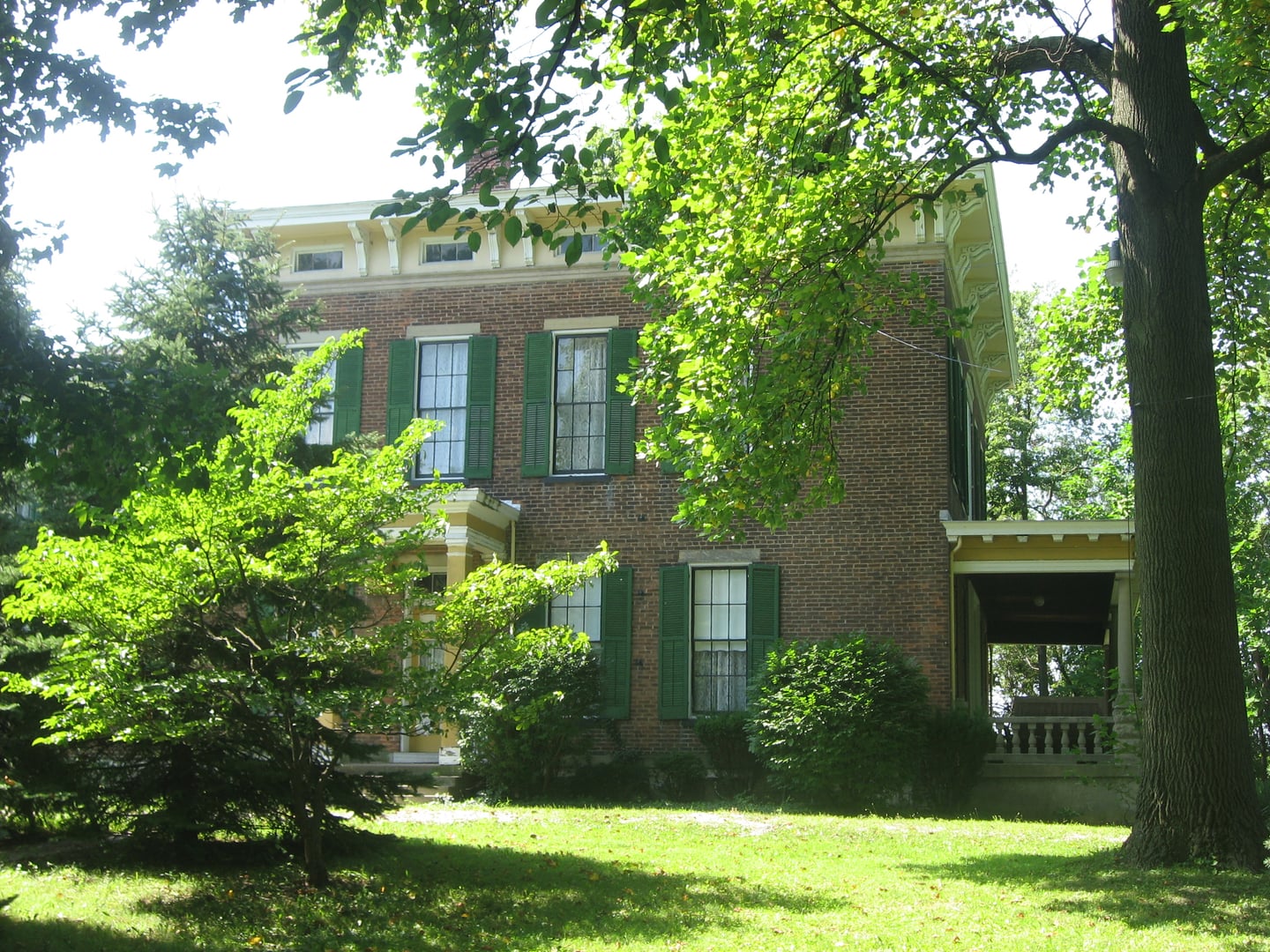
Franklin Avery arrived in Fort Collins in 1872 and spent decades helping shape the city's physical layout. Trained as a civil engineer, he surveyed streets, platted subdivisions, and contributed to the early infrastructure of one of Colorado's largest Front Range cities. The sandstone house he built in 1879 at 328 W Mountain Avenue remains one of the finest examples of Victorian residential architecture in Fort Collins.
The house passed through the Avery family for generations. The most troubling chapter involves William Avery, whose death was found to involve arsenic levels measured at fifty times a lethal dose. Just twelve days after William died, his wife Mary married Frank Millington, a business partner. The circumstances of William's death were investigated at the time, though the historical record on the legal outcome is unclear in published sources. The rapid remarriage has made this one of the most frequently discussed episodes in Fort Collins' local history.
The property was added to the National Register of Historic Places in 1974. Poudre Landmarks Foundation now operates the house as a museum open for weekend afternoon tours, interpreting the Avery family's role in Fort Collins' founding era.
Sources
- https://en.wikipedia.org/wiki/Avery_House_(Fort_Collins,_Colorado)
- https://medium.com/foco-now/5-places-in-fort-collins-to-spot-a-ghost-this-halloween-c47fe16fd580
- https://thedinnerdetective.com/fort-collins/2023/03/09/5-ghost-stories-from-fort-collins-colorado/
Sense of presence in upstairs bedroomUnexplained sensory disturbances in upper floor
Paranormal reports at the Avery House center on the upper floor, particularly the bedroom where the arsenic death occurred. Visitors on weekend tours and staff who spend time alone in the building have described a sense of presence and unexplained sensory disturbances in that room. Two Fort Collins regional publications have documented these accounts as part of broader surveys of the city's haunted sites.
The case for a haunting here rests partly on the specificity of the dark history: a death with arsenic at fifty times the lethal dose, and a widow's remarriage twelve days later, combine to give the house a verifiable human tragedy rather than generic legend. Whether that history has any bearing on the reported activity is beyond the published record, but the house's documented forensic past is the context through which residents and visitors interpret the reports.
No formal paranormal investigation findings are available in the published record. The house's status as a National Register site with public weekend tours makes it one of Fort Collins' most accessible dark-tourism stops.
Notable Entities
William Avery (possible poisoning victim)Mary Avery (widow, remarried 12 days after death)