Site of California's Last Fatal Grizzly Attack (1875) · Big Basin Redwoods State Park · Skyline-to-Sea Trail Terminus
William White Waddell was born in Kentucky in 1818 and came to California during the Gold Rush era, eventually shifting from mining to the lumber business. By the 1860s he had established sawmill operations in the valley now bearing his name, taking advantage of the redwood and fir stands in the Santa Cruz Mountains and using Waddell Creek as a transport corridor to the coast.
On October 1, 1875, Waddell and a friend were deer hunting near the mill when his dog ran up against a female grizzly bear protecting her cub. The dog fled back to Waddell; the bear followed and attacked him before he could respond. The bear grabbed him and mauled him severely — in some accounts biting off part of his arm before striking him on the head. His hunting partner was able to pull Waddell free and get him to medical care, but the injuries were too severe. Surgeons amputated what remained of his arm in an attempt to prevent fatal infection, but Waddell died six days later on October 7, 1875.
The attack is documented in county historical records and in naturalist accounts of California grizzly bears; it is generally cited as the last confirmed fatal grizzly attack in the state's history. At the time, grizzly populations in the Santa Cruz Mountains were already in severe decline due to hunting and habitat reduction; the species was extinct in California by around 1922.
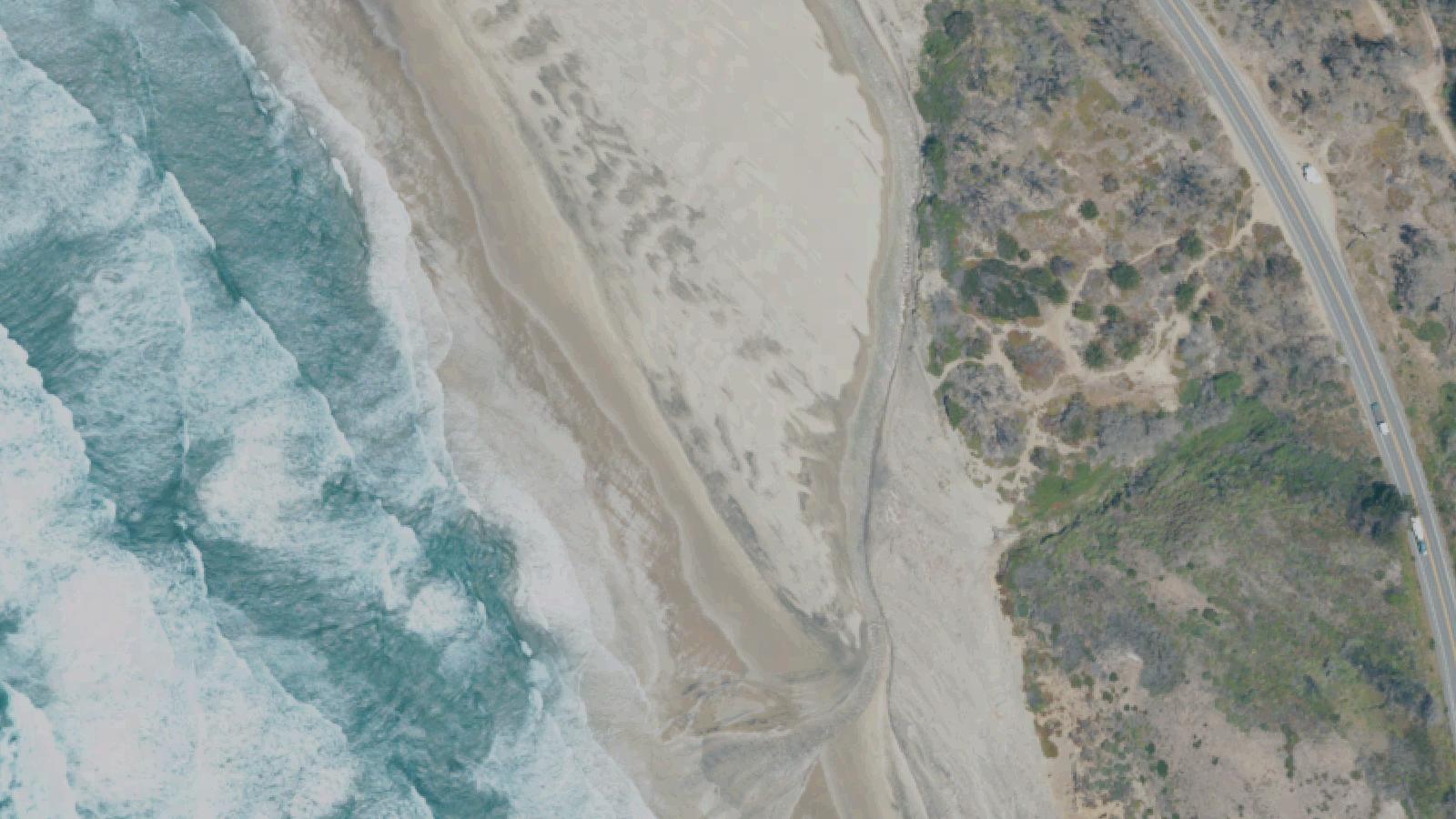
Waddell is buried at Santa Cruz Memorial Park. The creek, beach, and valley that bear his name are now part of the Rancho del Oso Unit of Big Basin Redwoods State Park, which preserves the coastal and valley land where he operated his mills.
Sources
- https://www.natureoutside.com/the-missing-arm-of-william-waddell/
- https://localwiki.org/santacruz/Waddell_Creek
- https://www.parks.ca.gov/?page_id=29162
Missing objects (traditional legend)
After William Waddell's death, his associates buried the amputated arm in a meadow near the coast with the intention of retrieving it for burial alongside his body in Santa Cruz. When they returned, the arm was gone. No explanation was found.
The missing arm passed into local legend. Stagecoach drivers on the coastal route used the story as a standard warning to passengers: keep your belongings secure in the Waddell Creek corridor, where Waddell's arm was known to steal from the unwary. The story of the arm acquiring possessions — small objects going missing from camping gear, trail packs going askew — accumulated over generations among people who worked and traveled the area.
Big Basin Redwoods State Park has formalized the legend into an annual October night hike called 'The Missing Arm of William Waddell,' a guided half-mile walk through the redwoods that park staff and literature explicitly describe as a campfire-tradition ghost story, 'not too spooky for children.' The event draws families and treats the arm legend as part of the park's interpretive history. The story's classification as a deliberate, ranger-told Halloween narrative distinguishes it from spontaneous eyewitness reports — it is folklore that the park has consciously preserved rather than paranormal claims made by visitors.
No independent accounts of apparitions or visitations attributed to Waddell's ghost are documented in local news or historical records.
Notable Entities
William White Waddell (died 1875)
Where this legend is told