Est. 1868 · California Governor's Residence · National Register of Historic Places · Victorian Domestic History · 1906 Earthquake Oakland History
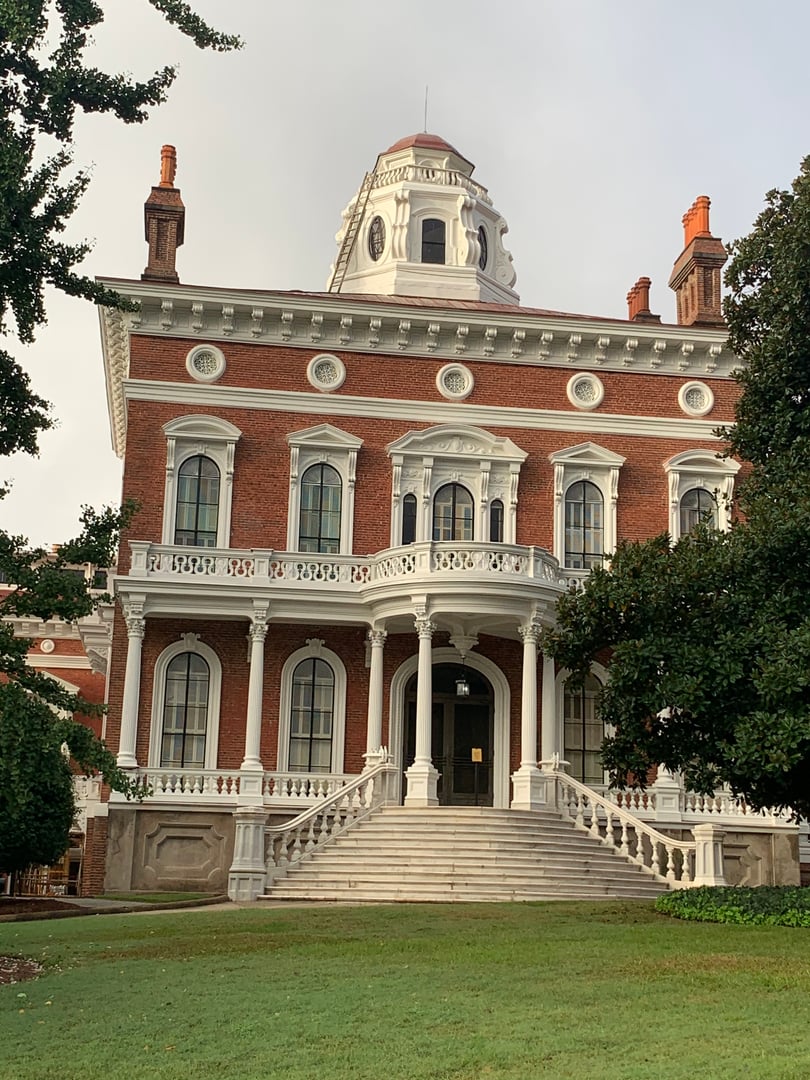
Enoch H. Pardee, a physician and California State Senator, commissioned the Italianate villa on 11th Street in 1868 — a time when Oakland was a small city connected to San Francisco by ferry rather than bridge. He lived there until his death, and the house passed to his son George Cooper Pardee, who would follow a parallel career into public life.
George Pardee served as Oakland's mayor beginning in 1893 and was elected California's twenty-fourth governor, serving from 1903 to 1907. He was in Sacramento when the April 1906 earthquake struck, and returned to Oakland to manage relief operations. The Pardee home itself survived the disaster largely intact, a distinction fewer downtown Oakland structures could claim.
After George Pardee's death in 1941, his daughters Helen and Madeline continued living in the house — declining to modernize it, declining to sell, keeping the rooms as their parents and grandparents had furnished them. By the time the family donated the property to become a museum in 1981, the house held more than a century of accumulated material: correspondence, political documents, medical equipment, clothing, and domestic objects spanning from the 1860s through the mid-twentieth century.
The result is one of the better-preserved examples of prosperous Victorian domestic life in the East Bay. The museum has operated the property for public tours since the early 1980s, and the home is listed on the National Register of Historic Places as a contributing element of Oakland's historic downtown.
Sources
- https://en.wikipedia.org/wiki/Pardee_Home
- https://pardeehome.org/
Unexplained soundsApparitionsGeneral uneasy presence
The Pardee Home Museum describes its resident spirits in terms that are unusual for a historic house museum: 'none-too-friendly ghosts' is the language that appears in the venue's own promotional material. Whether that phrase reflects documented staff experiences or is primarily marketing, the museum has leaned into the characterization by hosting on-site ghost investigations and paranormal-themed events.
The house's setup lends itself to the reputation. A century of essentially unchanged furnishings — personal effects, clothing, portraits, and medical equipment from multiple generations of the same family — produces an atmosphere that feels inhabited rather than curated. Visitors on ghost investigation nights have reported unexplained sounds on the upper floors and in the rear service areas.
No specific documented incidents appear in published sources beyond the museum's own characterization and participant accounts from ghost hunt events. The paranormal programming appears to be an intentional extension of the museum's interpretation, rather than a response to staff reports of anomalies. Whether the spirits are truly unfriendly or simply persistent, the building has maintained a haunted reputation long enough to make paranormal events a regular part of its calendar.
Where this legend is told