Museum Visit
Self-Guided Mission Tour
Walk the extensive mission grounds including the ruins of the Great Stone Church collapsed in 1812, the historic cemetery, Serra's Chapel, and the gardens.
- Duration:
- 1.5 hr
HauntBound archive · catalog record
Reported phenomena, as catalogued
+ 3 further entries on record
Founded in 1776 and the site of the deadliest earthquake disaster in California mission history, this active Spanish mission in Orange County is reported haunted by a faceless monk, a headless soldier, and the ghost of Magdalena, killed in the 1812 earthquake.
26801 Old Mission Road, San Juan Capistrano, CA 92675
Research updated June 2026
Age
All Ages
Cost
$$
Adult admission approximately $15–$18; children $10; check missionsjc.com for current pricing
Access
Wheelchair OK
Mostly paved mission grounds; some uneven historic stonework
Equipment
Photos OK
Est. 1776 · Founded 1776 by Father Junipero Serra, seventh of 21 California missions · Site of the 1812 earthquake disaster that killed approximately 42 Native Americans · Serra's Chapel (c.1782) — oldest standing building in California with active Mass · National Historic Landmark · California Historical Landmark
Mission San Juan Capistrano occupies a unique and significant place in California history. Founded on November 1, 1776, by Father Junipero Serra of the Franciscan Order, it was the seventh of 21 California missions established by the Spanish colonial government and Catholic Church. The mission became a center of religious, agricultural, and social life for the Acjachemen (Juaneño) people who were brought into its community.
Construction of the Great Stone Church began in 1797 and was completed in 1806 under master stonemason Isidro Aguilar, who had traveled from Mexico to direct the project. The ambitious sandstone structure stood as one of the grandest buildings in Alta California.
On the morning of December 8, 1812, during the Feast of the Immaculate Conception, a major earthquake struck the region. The Great Stone Church's walls failed catastrophically while parishioners were attending Mass. Approximately 40 Native American worshippers — including two boys ringing the bells in the tower — were killed when the nave collapsed. This remains one of the most documented mass-casualty events in California mission history and is corroborated by academic scholarship including a 2017 article in the journal Mortality (Stones and Bones: Catholic Responses to the 1812 Collapse).
The mission complex was partially restored in the 19th century and underwent major preservation efforts in the 20th century. Serra's Chapel, dating to 1782, is the oldest standing building in California where Mass is still regularly celebrated. The grounds today include the collapsed ruins of the Great Stone Church, maintained as an open-air memorial, the historic cemetery, Serra's Chapel, a museum, and extensive gardens. The mission was designated a National Historic Landmark and is a working Catholic parish.
Sources
Mission San Juan Capistrano has accumulated a significant paranormal tradition tied directly to its documented history of mass tragedy. Three spirits are most frequently reported: a faceless monk in traditional robes, seen walking the corridors and grounds; a headless soldier standing guard near the mission entrance; and Magdalena, believed to be the ghost of a young girl killed when the Great Stone Church collapsed in the 1812 earthquake.
According to accounts gathered from local ghost tour operators and paranormal investigators documented by SyFy's Ghost Hunters (which filmed at the mission) and regional media, tobacco-scent phenomena are frequently reported by visitors and staff who encounter a presence sometimes nicknamed 'Tobacco Tom.' Bells are said to ring at random hours from areas where no one is present. Objects have reportedly moved independently, and investigators have documented what they describe as phantom knocks and disembodied voices emanating from the 18th-century adobe structures.
Given the documented death of approximately 42 people in the 1812 earthquake — all of them Native American worshippers — the mission's paranormal tradition sits within a documented historical tragedy. Any paranormal interpretation should be understood in the context of this documented loss of life. The reported phenomena are corroborated by multiple independent sources including SyFy's Ghost Hunters, Haunted Orange County ghost tour operators, the San Juan Capistrano Patch, and regional paranormal investigators.
Notable Entities
Media Appearances
Walk the extensive mission grounds including the ruins of the Great Stone Church collapsed in 1812, the historic cemetery, Serra's Chapel, and the gardens.
Some links on this page may earn HauntBound a small commission when you book, at no extra cost to you. Our editorial picks are independent. Full disclosure
Every HauntBound history is researched from documented sources. We clearly separate verified historical fact from paranormal folklore.
Free Guide
10 verified stops, rated for families, mapped in order. Free.
One email to confirm, then the guide link. Unsubscribe anytime.
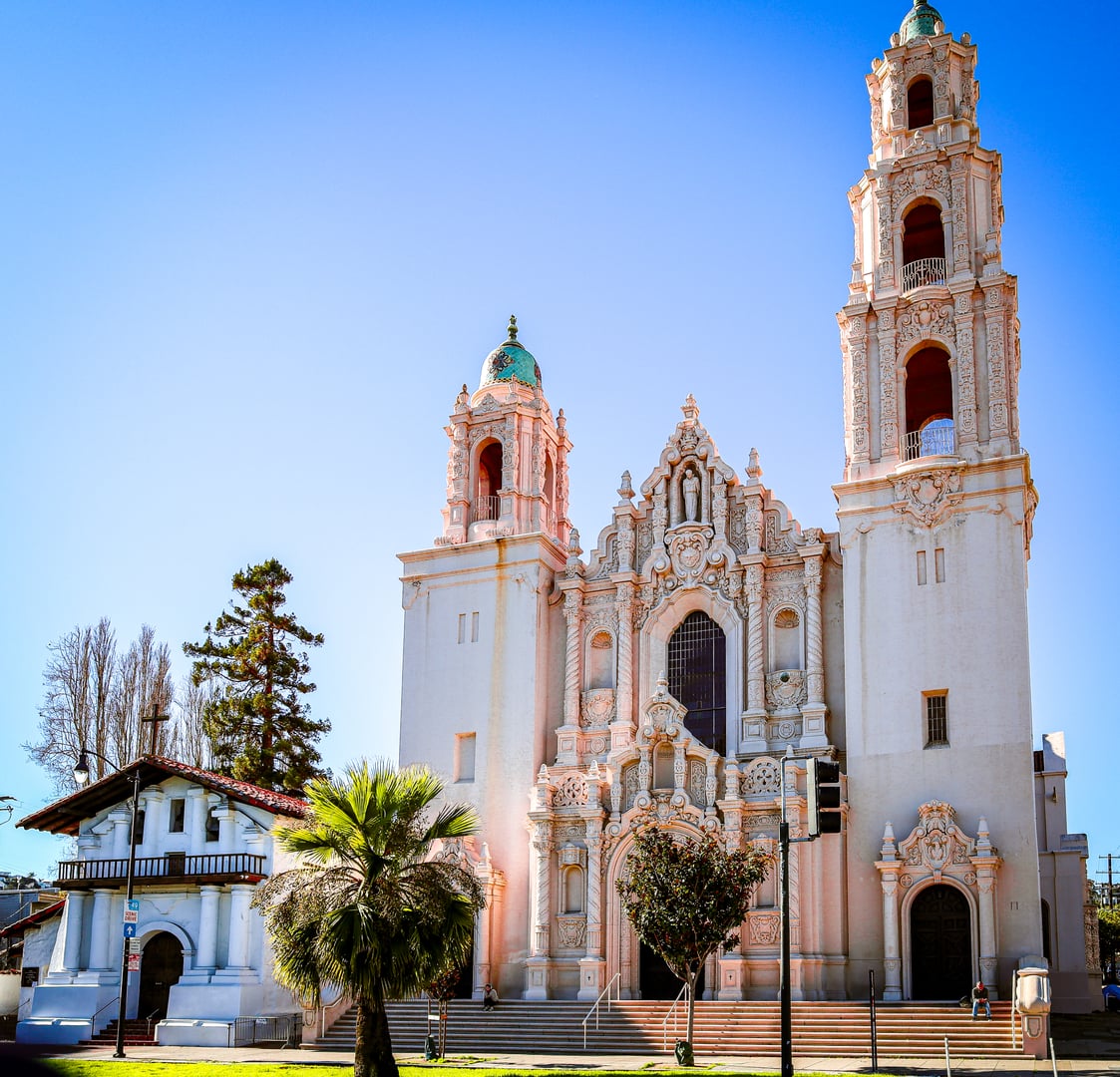
San Francisco, CA
Misión San Francisco de Asís was founded on October 9, 1776 by Spanish Franciscan friars under the direction of Father Junípero Serra. The surviving adobe mission church is the oldest building in San Francisco, and the only intact original mission chapel of California's 21 missions. The adjoining basilica was built in 1918. The mission cemetery contains the remains of approximately 5,000 Ohlone, Miwok, and other First Californian people who built the mission and died — overwhelmingly of European diseases — during the mission period.
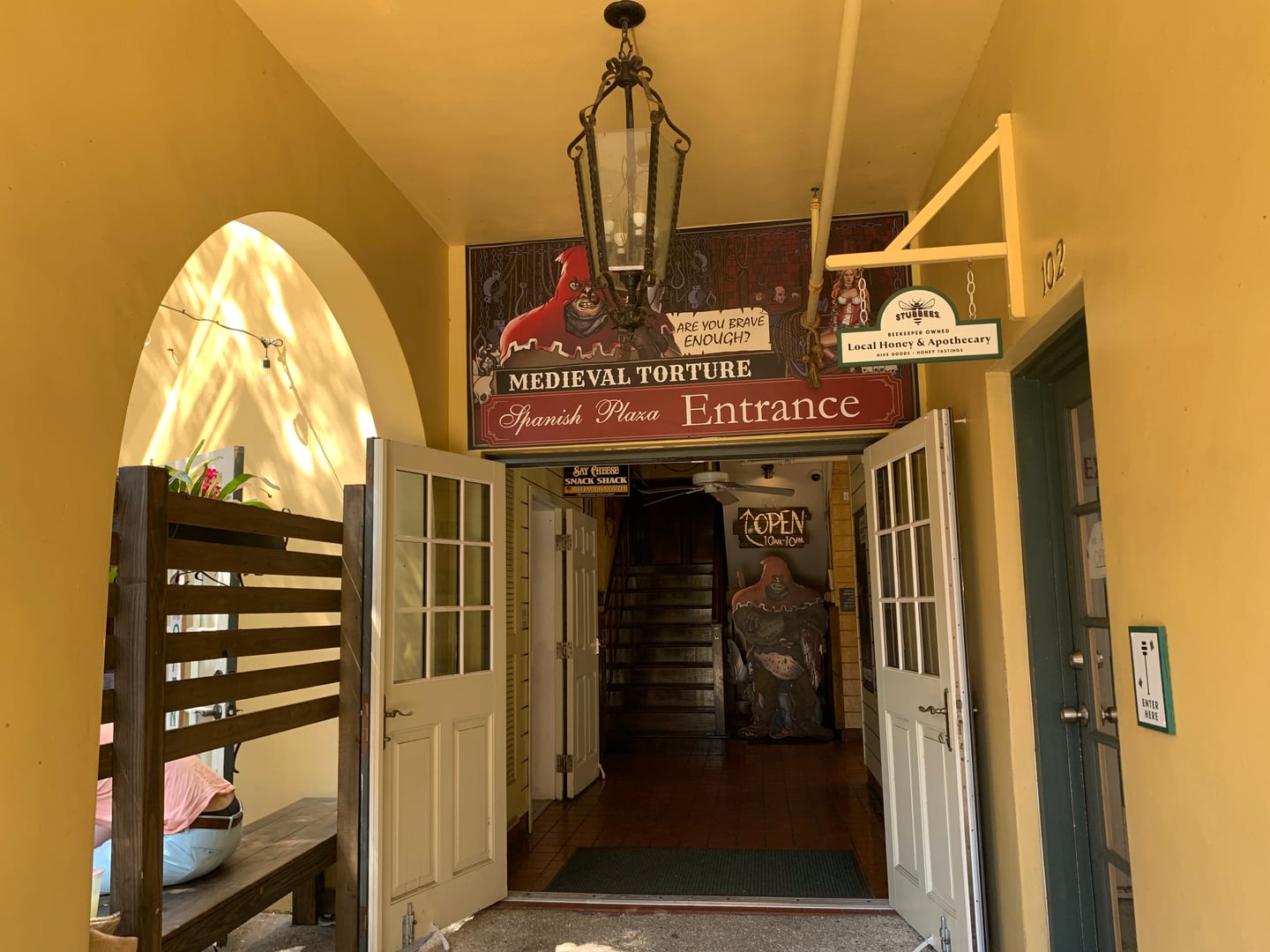
St. Augustine, FL
The Medieval Torture Museum opened at 100 St. George Street in St. Augustine in summer 2017. The 6,000-square-foot facility houses over 100 reconstructed medieval punishment and torture devices built by professional movie prop-makers, based on period engravings and verified historical documentation. It is one of three Medieval Torture Museum locations in the United States and had logged more than 200,000 visitors by summer 2019.
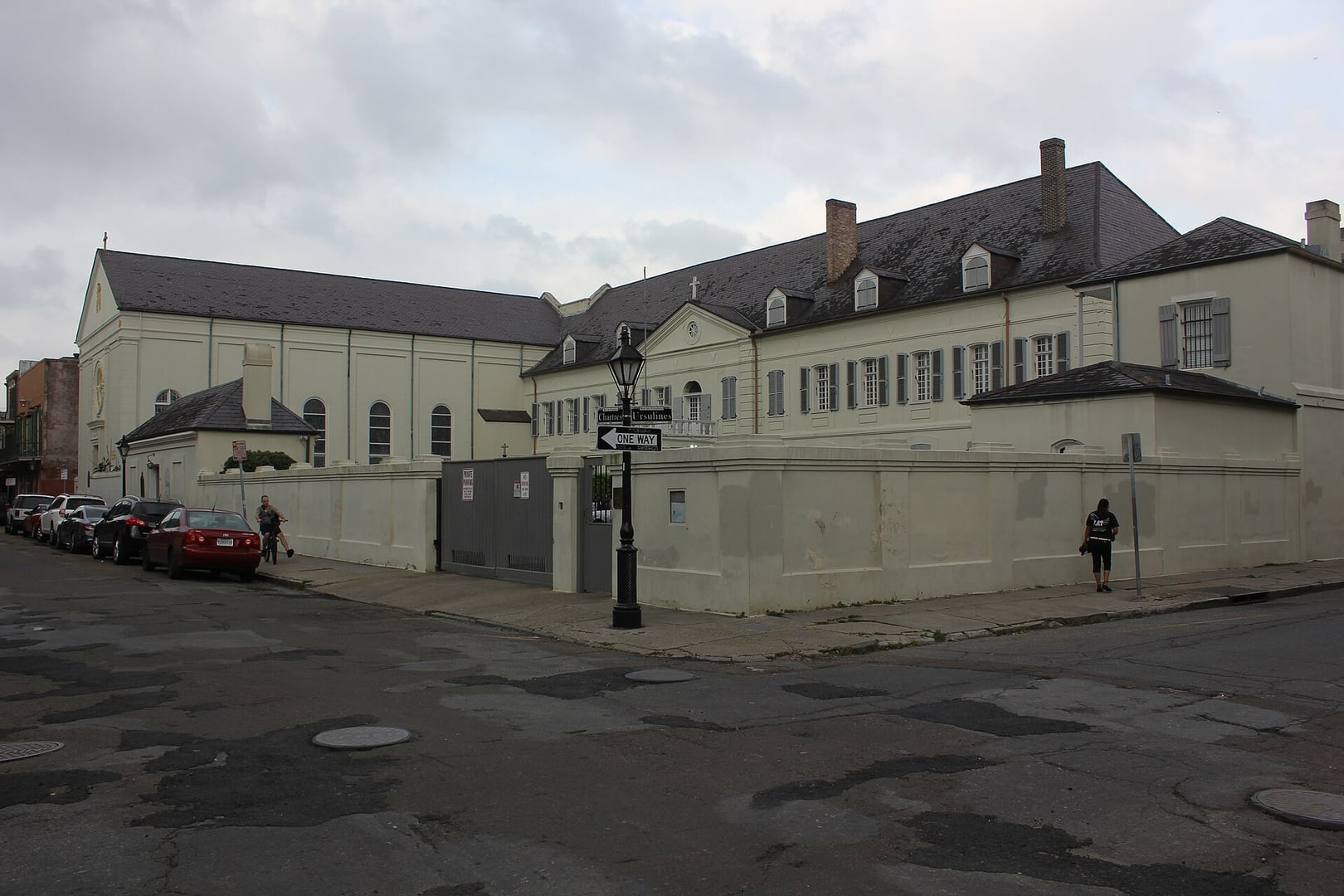
New Orleans, LA
The Old Ursuline Convent at 1100 Chartres Street was completed in 1752 and is the oldest surviving building in the Mississippi River Valley. It served as the convent of the Ursuline nuns - who arrived in New Orleans in 1727 - and as the city's principal hospital, orphanage, and girls' school for much of the colonial period. After the convent moved in the 19th century, the building became the archbishop's residence and later the Catholic Cultural Center; it is open today as the Old Ursuline Convent Museum.