Est. 1853 · California State Historic Park · U.S. 4th Infantry post · Bald Hills War · Ulysses S. Grant
Fort Humboldt occupies a bluff above Humboldt Bay in present-day Eureka, California, roughly an hour and 45 minutes south of Crescent City. The U.S. Army established the post in 1853 as a regional base for the 4th Infantry, intended to maintain federal authority over the dramatic and often violent confrontations between Gold Rush settlers and the region's Wiyot, Yurok, Hupa, Karuk, and Tolowa peoples. Many of these conflicts were collectively labeled the Bald Hills War.
The period was marked by federal-supervised removals, settler raids, and atrocities including the 1860 Wiyot Massacre on Tuluwat Island. The fort's role in this history was central: troops stationed at Fort Humboldt participated in operations against Indigenous communities, supervised relocations to reservations such as Round Valley, and served as both a presence and a witness to the dispossession of Native land throughout the northern California coast.
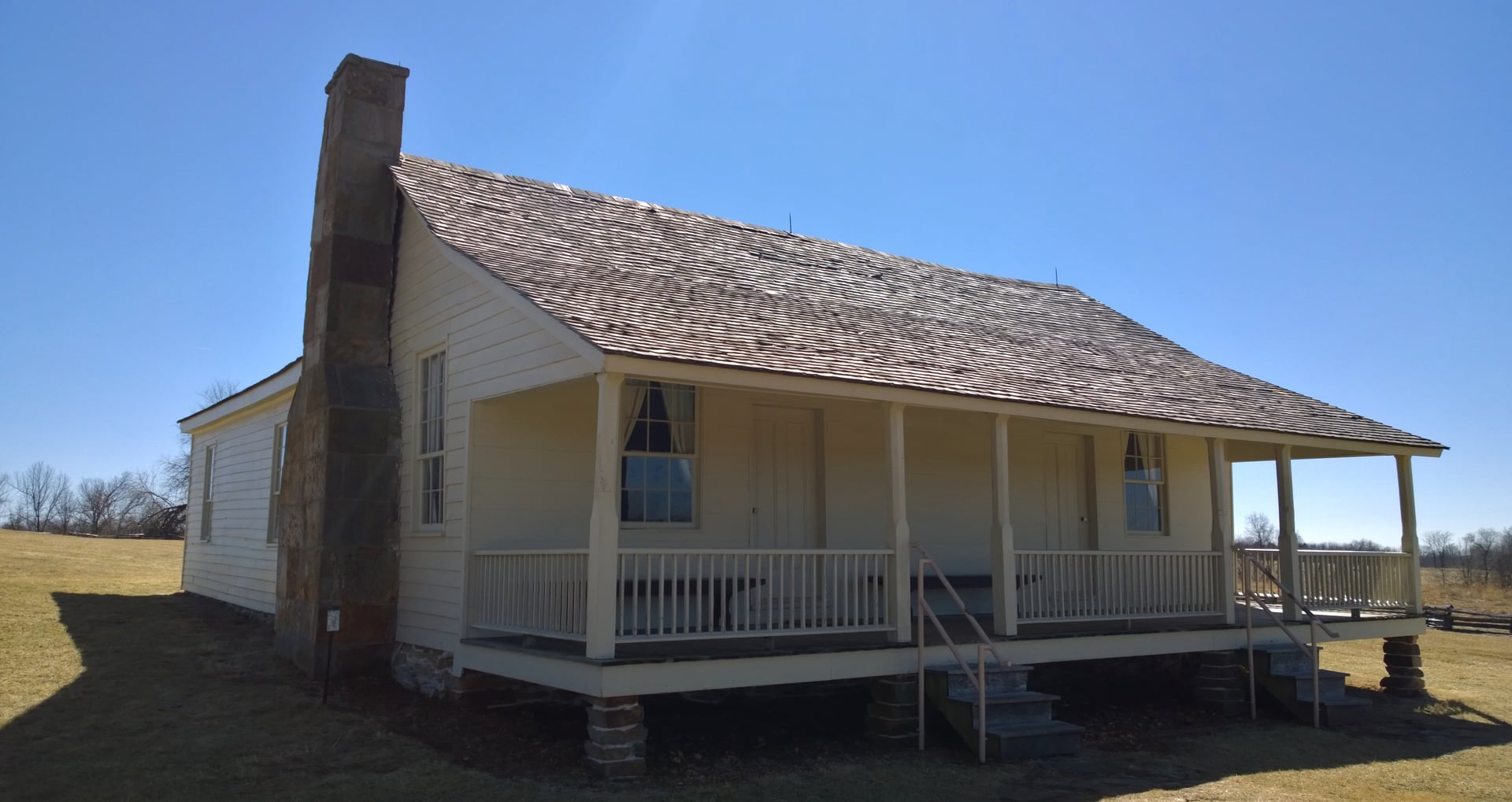
Captain Ulysses S. Grant was briefly stationed at Fort Humboldt in 1854. Long unhappy at the post and separated from his family, Grant resigned his commission that summer; the small commander's quarters where he lived is interpreted on park grounds.
The Army decommissioned Fort Humboldt in 1870, and the buildings were left to deterioration. By the 20th century, only the hospital building remained substantially intact. The site became a California State Historic Park in the mid-20th century, and the park has since added a logging museum, a reconstructed surveyor's house, and interpretive panels that increasingly center the experiences of the Indigenous communities affected by the post's operations.
A former post commander reportedly died of malaria at Fort Humboldt in 1859. The hospital building where he was treated is the structure most often associated with paranormal reports at the site.
Sources
- https://www.parks.ca.gov/?page_id=665
- https://en.wikipedia.org/wiki/Fort_Humboldt_State_Historic_Park
ApparitionsObject movementShadow figuresCold spotsPhantom voicesPhantom footstepsDoors opening/closingLights flickering
The reported phenomena at Fort Humboldt cluster heavily in and around the surviving hospital building. The most repeated account describes large, heavy objects found moved across the floor between closing and opening, with no staff explanation. The Shadowlands Haunted Places Index records reports of this kind running sporadically since the 1950s and intensifying through 1993.
The figure most often associated with the site is identified in folklore as a former post commander who died of malaria at the fort in 1859. Visitors have described seeing a figure looking out from a window in the old hospital building. Names attached to the figure vary across retellings and are not corroborated by primary military records cited in the public sources surveyed for this entry.
Additional reports collected at the park include shadow figures glimpsed near the perimeter of the historic structures, voices and whispers heard inside the museum and hospital, cold spots that appear regardless of weather, and the sound of doors opening or closing in unoccupied buildings. Some accounts describe figures in 19th-century military uniform; others describe Indigenous figures, a folkloric thread that reflects the park's documented history of violence against Native communities. These accounts are atmospheric rather than investigative.
Park interpretation does not promote a paranormal narrative. The lore exists alongside the formal history rather than within it, in the intermediate space where a 19th-century military bluff facing the Pacific accumulates the kind of stories that any long-quiet place collects.