Whittier Quaker Heritage · Former Cemetery Park · Broadway and Mount Sinai Cemeteries
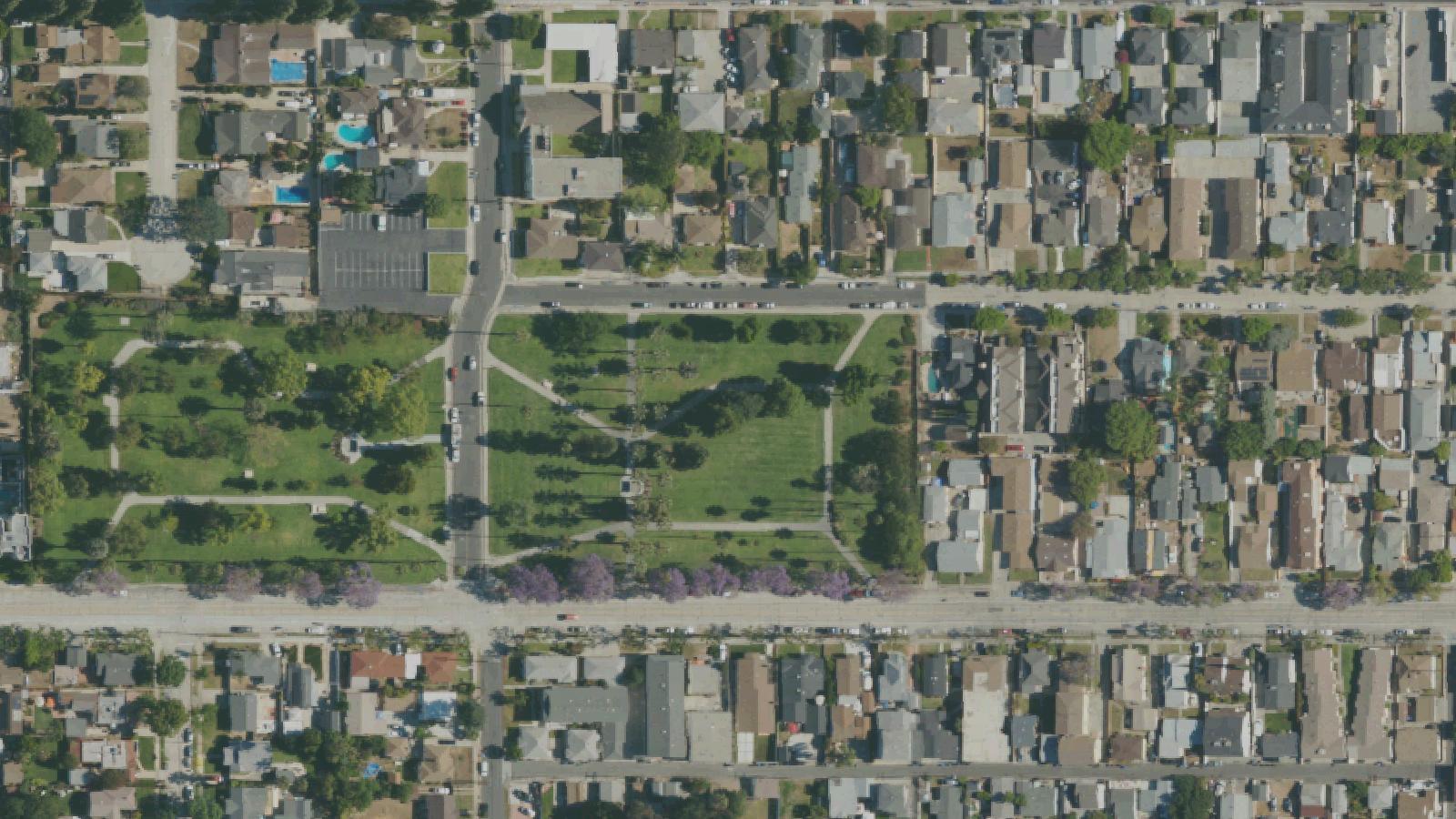
Founders Memorial Park in Whittier, California, sits on a parcel that previously housed two cemeteries: Broadway Cemetery, established by Whittier's Quaker founders in the late nineteenth century, and Mount Sinai Cemetery, a Jewish burial ground established in the same general period. By the 1950s both cemeteries had fallen into disrepair through a combination of vandalism and neglect.
In 1968, the city of Whittier made the controversial decision to transform the cemeteries into a public park. Headstones were removed, but the bodies of those interred remained buried beneath what is now parkland. A central memorial monument was installed listing the names of the dead originally buried at the site, providing a single point of historical reference for descendants and visitors.
The site has carried the local nickname Dead Man's Park through several generations of Whittier residents, even though its formal designation is Founders Memorial Park. The Quaker founders of Whittier give the city its name (Quaker poet John Greenleaf Whittier) and Quaker heritage threads through this property's history. Records of Broadway Cemetery were once held in the old Whittier museum.
Sources
- https://hauntedplacesofusa.blogspot.com/2009/10/dead-mans-park-whittier-california.html
- https://modernlectionaries.blogspot.com/2013/10/the-ghost-of-dead-mans-park.html
- https://theparanormalplayground.co/dead-mans-park-los-angeles-urban-legends/
ApparitionsCold spots
The park's central folkloric image is the fog. Whittier residents have long described a mysterious fog patch that settles over Founders Memorial Park without extending past the surrounding streets to the houses on all sides. Local tradition reads the fog as the lingering anger of the dead at the removal of their headstones — a story that has carried more emotional weight in Whittier oral tradition than any specific apparition account.
The park sees relatively few visitors per year compared to other neighborhood parks in the city. Joggers passing through have described a feeling of being watched in particular sections. The road that bisects the park is said to lie above the original boundary between the two cemeteries, with the more concentrated activity reported on the half containing the relocated central monument. Records of the site's cemetery history were once held in the old Whittier museum.
These accounts come primarily through community lore rather than formal investigation. We pass them on as folklore tied to a real piece of municipal history — the removal of headstones in 1968 from cemeteries whose burials were left in place — that explains the moral undertow in the stories without needing to verify the paranormal claims.