Est. 1876 · Last Surviving Victorian Mansion on Lake Merritt · Oakland Landmark · Italianate Victorian Architecture · Stanford Family History
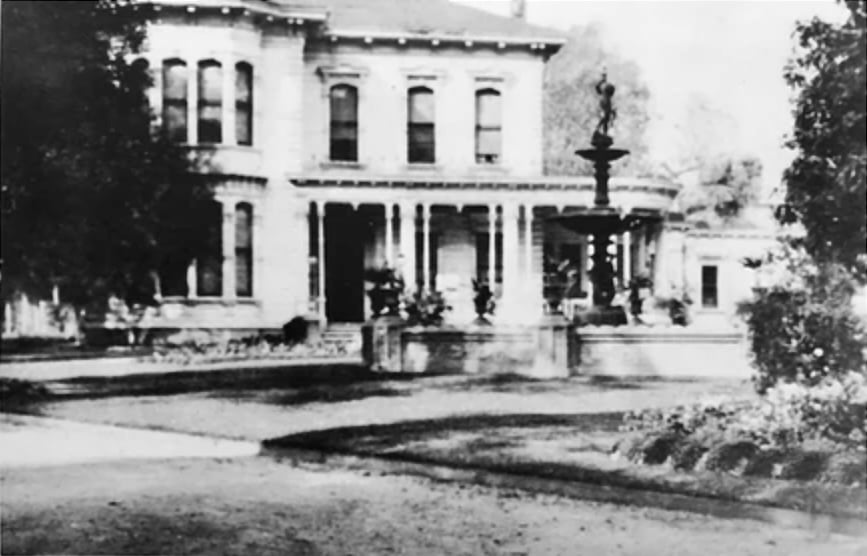
The Camron-Stanford House was constructed in 1876 for William Camron and his wife, who built it as a family residence on the newly developed shores of Lake Merritt. The house is an Italianate Victorian mansion — the dominant residential style for prosperous San Francisco Bay Area families in the 1870s — featuring elaborate woodwork, high ceilings, and the formal room arrangements typical of upper-middle-class Victorian domestic life.
The Camrons' occupancy was marked by early tragedy: in 1877, their two-year-old daughter died in the house. The family subsequently sold the property to the Stanford family — cousins of Leland Stanford, the railroad magnate and co-founder of Stanford University, though not members of his immediate household. Josiah Stanford died in the house in 1890. His daughter-in-law died unexpectedly the following year, in 1891, creating a cluster of deaths within a 14-year span that left a mark on the house's reputation.
The City of Oakland acquired the property in the early 20th century, using it for various municipal functions including as headquarters for the Oakland Museum before that institution relocated. The Camron-Stanford House Foundation was established to preserve the building, and the house was restored to its 1876 appearance, including period-appropriate furnishings. It is the only surviving example of the lakefront Victorian mansions that once lined Lake Merritt, the rest having been demolished over the course of the 20th century.
Sources
- https://en.wikipedia.org/wiki/Camron-Stanford_House
- https://localwiki.org/oakland/Camron-Stanford_House
- https://oaklandside.org/2021/10/29/are-these-oakland-landmarks-haunted/
ApparitionsUnexplained presencesAtmospheric anomalies
The Camron-Stanford House's paranormal accounts are embedded in its documented history in a way that is unusual among haunted house claims. Three deaths occurred in the building between 1877 and 1891: the Camrons' two-year-old daughter, then Josiah Stanford, then his daughter-in-law a year after Stanford's own death. The clustering of these losses in a single household over 14 years, in a period when death at home was common but child loss was still devastating, gives the house a specific biographical weight that visitors often remark on during tours.
The Camron-Stanford House Foundation conducts October programming with ghost-themed elements that engage with the house's reputation, suggesting the organization has found the paranormal dimension to be a draw rather than a liability for its mission to preserve and interpret the building.
Staff and visitors have reported eerie encounters — presences felt in rooms, figures glimpsed, the quality of the atmosphere in certain parts of the house that registers as distinct from the surrounding spaces. The specific nature of the reported phenomena varies between accounts. What is consistent is the sense that the house's documented history of loss gives whatever visitors experience a frame that empty paranormal claims lack: the people who died here were real, their deaths are on record, and the building that held those events is the same building visitors walk through today.
Notable Entities
Josiah Stanford
Where this legend is told