Guided Tour Booking Required
Balboa Theatre Performance Visit
Attend a ticketed Broadway San Diego production or independent booking at the Balboa to see the restored 1924 Spanish Colonial Revival interior and tiled domes.
- Duration:
- 2.5 hr
HauntBound archive · catalog record
Reported phenomena, as catalogued
+ 1 further entry on record
1924 Spanish Colonial Revival vaudeville and cinema palace at Horton Plaza — restored 2008 after a 36-year dark period, with staff reporting period-dressed apparitions, phantom applause, and basement-dressing-room voices.
868 Fourth Avenue, San Diego, CA 92101
Research updated May 2026
Age
All Ages
Cost
$$
Access via ticketed performances and Broadway San Diego productions; ticket prices vary by show.
Access
Wheelchair OK
Restored historic theater with elevator access; main lobby and orchestra level are accessible.
Equipment
No Photos
Est. 1924 · National Register of Historic Places (1996) · San Diego Historic Site #77 (1972) · Designed by William H. Wheeler in Spanish Colonial Revival/Moorish style · Used as U.S. Navy barracks during World War II · Restored and reopened 2008 after 36 years dark
The Balboa Theatre opened in March 1924 at 868 Fourth Avenue in downtown San Diego. Architect William H. Wheeler — also known for the Angelus Temple in Los Angeles — designed the building in a blend of Spanish Colonial Revival, Moorish, and Mediterranean Classical styles. Construction by the Wurster Construction Company cost roughly 800,000 dollars; opening-night programming featured the silent film 'Lilies of the Field' with personal appearances by stars Conway Tearle and Corinne Griffith, plus a vaudeville bill including Fanchon and Marco and the Sunkist Beauties.
For its first two decades the Balboa operated as a combined vaudeville and movie house. During World War II, the theater's upper office space was converted to housing for the U.S. Navy, making the building functionally a military barracks for the duration of the war. After the war it continued as a movie house and occasional special-event venue.
The Balboa went dark in 1972 as San Diego's downtown movie business collapsed. The City of San Diego designated it a Historic Site (#77 on the City Registry) on August 4, 1972, and the building survived urban-renewal demolitions of the 1970s and 1980s thanks to that designation. It was listed on the National Register of Historic Places in 1996.
A 26.5 million dollar restoration funded by the City of San Diego's Redevelopment Agency reopened the Balboa on January 18, 2008. The theater is now operated by San Diego Theatres and hosts Broadway San Diego productions, concerts, and other touring events. Its 1,335 restored seats, twin tiled domes, and Spanish tile roof make it one of the principal anchors of the Gaslamp Quarter's restored historic-theater district.
Sources
According to San Diego Ghosts and US Ghost Adventures, employees who have worked at the restored Balboa Theatre describe encounters that they associate with the building's two long periods of relative silence: its 1972-2008 dormancy, and its World War II conversion of office floors to U.S. Navy barracks. Staff have reported strange noises and disembodied voices in the basement dressing rooms; according to one US Ghost Adventures account some workers quit after their first night shift in that space.
A second category of reports concerns the auditorium itself. According to ghost-tour materials, visitors and ushers have described apparitions in period clothing crossing the stage and aisles, phantom applause during empty-house cleaning, ghostly whispers, and items that vanish only to reappear elsewhere. A 'ghostly girl' is said by tour operators to be associated with the fifth floor.
None of these reports are tied to a specific named decedent or documented death inside the building. Lore is multi-source within the ghost-tour ecosystem but is not anchored to a single corroborated historical incident; treat the Balboa as a 'residual-energy' story attached to a long-dormant historic theater rather than a person-specific haunting.
Notable Entities
Attend a ticketed Broadway San Diego production or independent booking at the Balboa to see the restored 1924 Spanish Colonial Revival interior and tiled domes.
Some links on this page may earn HauntBound a small commission when you book, at no extra cost to you. Our editorial picks are independent. Full disclosure
This San Diego tour includes Balboa Theatre on its route.
Every HauntBound history is researched from documented sources. We clearly separate verified historical fact from paranormal folklore.
Free Guide
10 verified stops, rated for families, mapped in order. Free.
One email to confirm, then the guide link. Unsubscribe anytime.
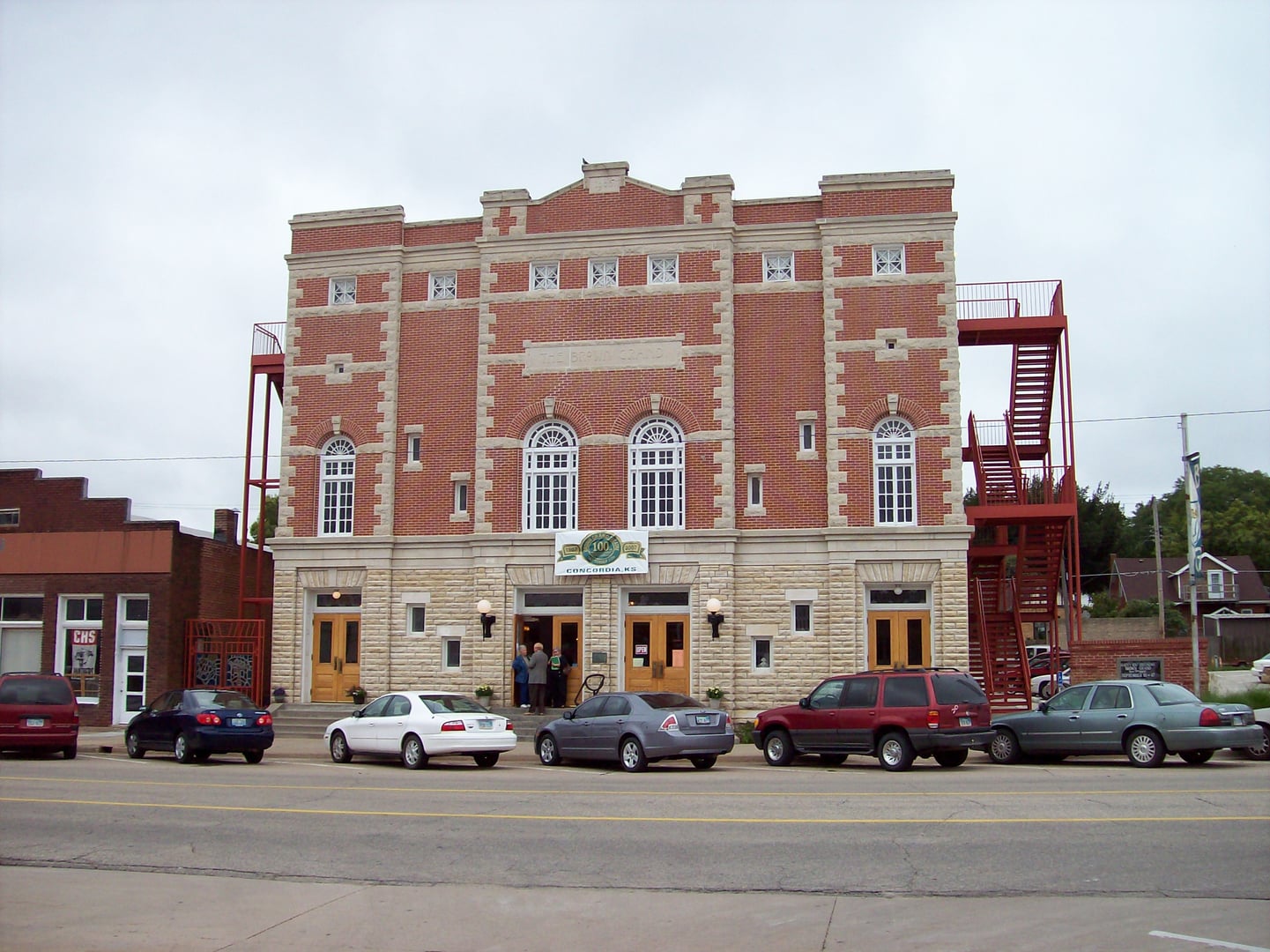
Concordia, KS
Colonel Napoleon Bonaparte Brown, a Concordia banker, broke ground on the theater in April 1906 and hired Kansas City architect Carl Boller to design it. His son, Earl Van Dorn Brown, supervised construction after touring more than thirty opera houses for ideas. The theater opened September 17, 1907. Brown died in 1910; Earl died about four months later. Listed on the National Register of Historic Places in 1973, the building was restored to its original appearance and reopened in 1980.
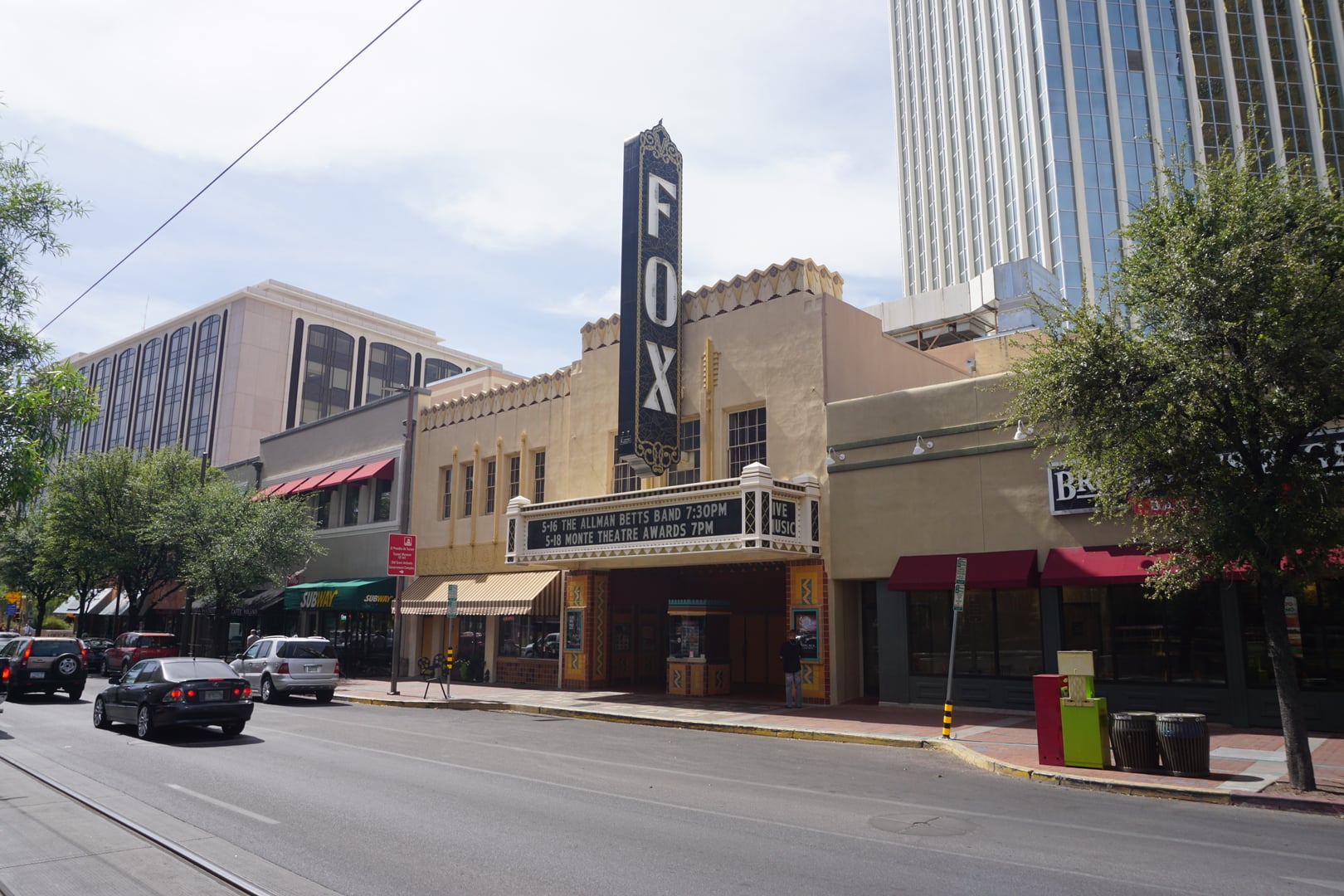
Tucson, AZ
The Fox Tucson Theatre opened on April 11, 1930, as a combined vaudeville and movie house. After closing in 1974 and standing vacant for 25 years, the building was purchased in 1999 by the non-profit Fox Tucson Theatre Foundation for $250,000 and reopened in 2006 following a multi-year, multi-million-dollar restoration.
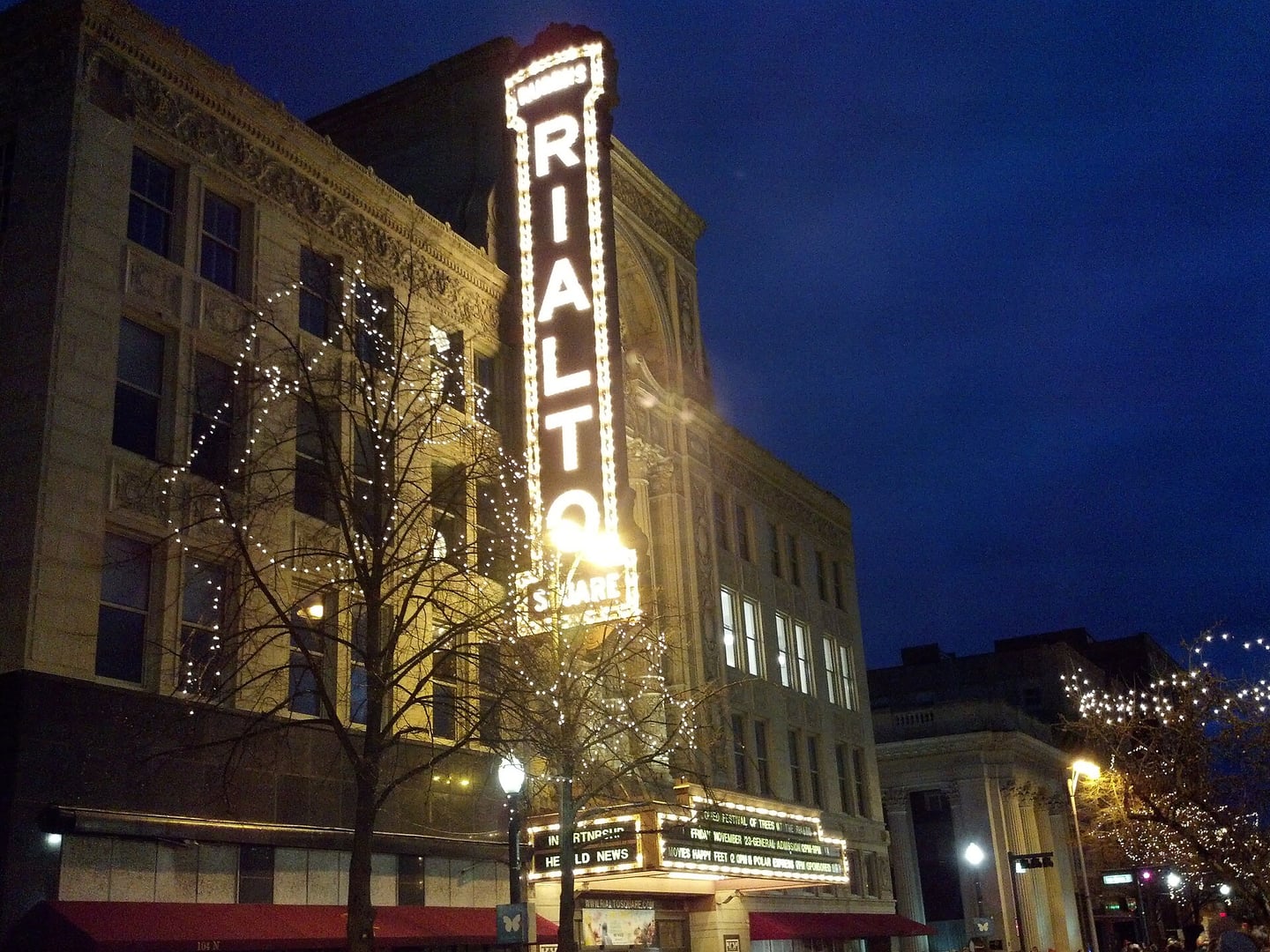
Joliet, IL
The Rialto Square Theatre opened May 24, 1926, designed by Chicago firm Rapp & Rapp for the six Rubens brothers. Its Neo-Baroque interior — modeled in part on the Hall of Mirrors at Versailles — earned it a place on the American Institute of Architects's '150 Great Places in Illinois' and a listing on the National Register of Historic Places.