Est. 1833 · Arkansas's first state capitol building · 1837 Wilson-Anthony stabbing on House floor · Brooks-Baxter War of 1874 · National Register of Historic Places · Greek Revival architecture
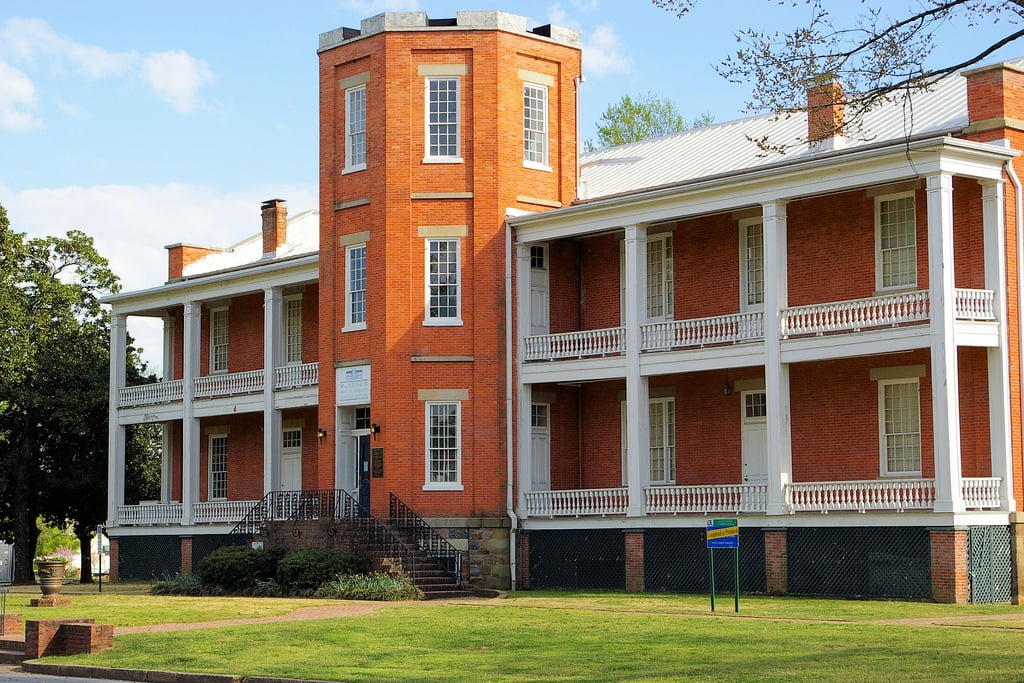
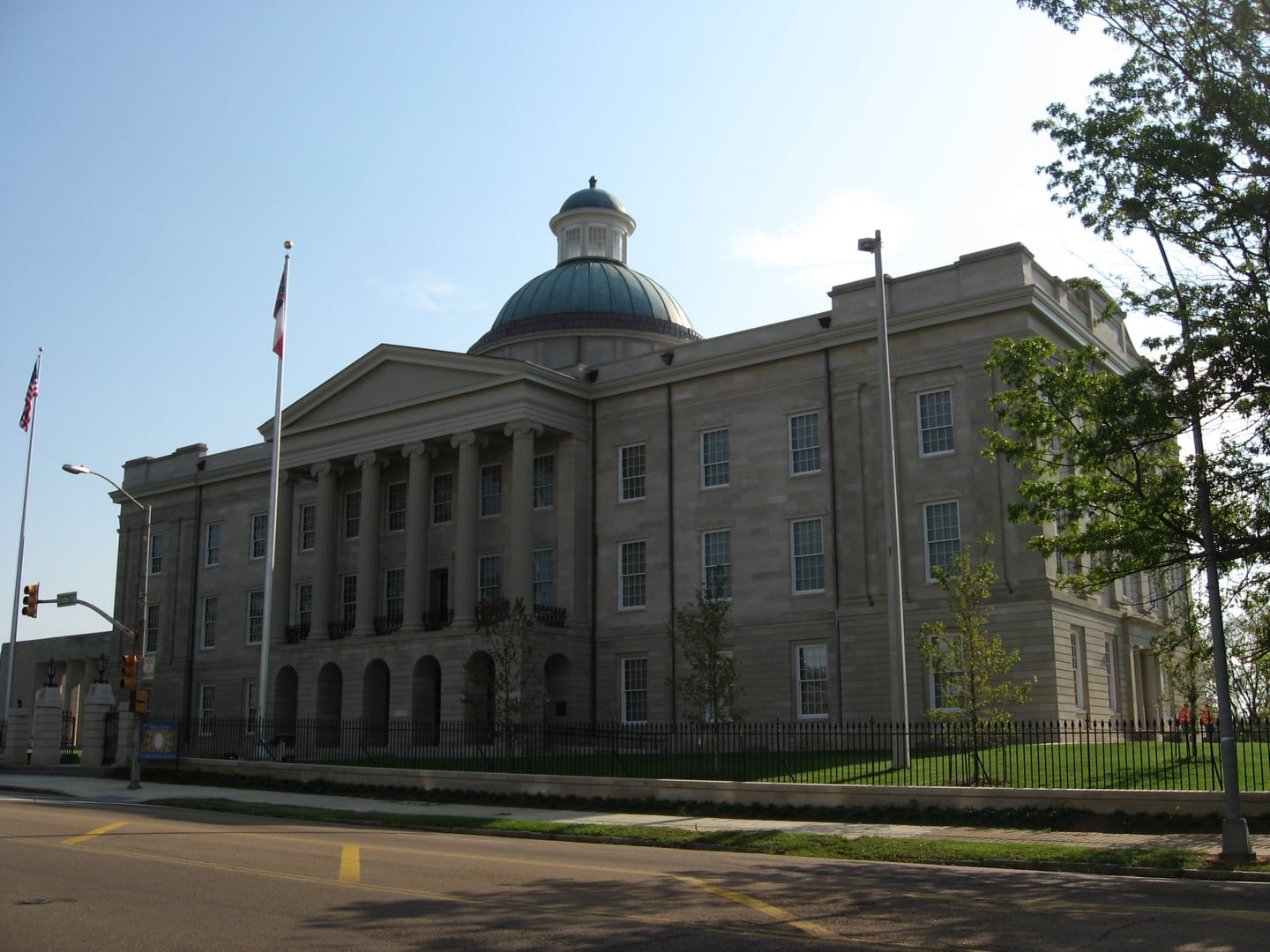
Construction of Arkansas's first capitol began in 1833 under the direction of architect Gideon Shryock and was completed in stages through 1842. The Greek Revival building served as the seat of state government until the new capitol was completed in 1915, after which the Old State House was repurposed for other government functions before being restored as a museum.
The building's most documented violent episode occurred on November 5, 1837. Speaker of the House John Wilson and Representative Joseph J. Anthony had developed a bitter personal and political rivalry. During a session, the argument turned physical: Wilson drew a bowie knife and stabbed Anthony, who died of his wounds. Wilson was tried for murder and acquitted — a verdict that reflected both the personal-honor culture of the antebellum frontier and Wilson's political standing in the young state.
The building later became the site of the Brooks-Baxter War of 1874, when two rival claimants to the governorship — Elisha Baxter and Joseph Brooks — each occupied state buildings with armed supporters in a weeks-long standoff that ended only after President Grant recognized Baxter's government.
The structure was listed on the National Register of Historic Places and is now managed as a free state museum, with its restored House chamber among the primary exhibits.
Sources
- https://encyclopediaofarkansas.net/entries/old-state-house-2111/
- https://en.wikipedia.org/wiki/Old_State_House_(Little_Rock)
- https://www.oldstatehouse.com
- https://ghost.hauntedhouses.com/arkansas_little_rock_old_state_house_museum
Apparition in period frock coat in House chamberEVP recordingsCold spotsShadow figures
The restored House chamber is the focus of paranormal accounts at the Old State House. Staff have described a figure in a frock coat moving through the chamber during off-hours, locally attributed to Speaker John Wilson, though no source documents a witness seeing Wilson's face or receiving any verbal identification. EVP recordings captured during formal investigations have produced unexplained audio attributed to voices in the chamber.
A second tradition holds that Joseph Brooks, the losing claimant in the 1874 Brooks-Baxter War, also haunts the building — perhaps because his armed occupation of a state office ended in political defeat. These accounts come primarily from paranormal investigation reports and local ghost-tour literature rather than museum staff on record.
The Paranormal Traveler documented an investigation that included EVP sessions in the chamber and reported unexplained temperature drops and audio anomalies consistent with claims made by building employees.
Notable Entities
John Wilson (Speaker, 1837 stabbing perpetrator — local attribution)Joseph Brooks (1874 Brooks-Baxter War claimant — local attribution)