Historic University · Methodist Education · Arkansas Public Higher Education
Henderson State University was founded on March 24, 1890, as Arkadelphia Methodist College, opening that September with 110 students and 10 faculty members. The institution moved through six names over its first century: Arkadelphia Methodist College, Henderson College (1904), Henderson-Brown College (1911), Henderson State Teachers College (1929), Henderson State College (1967), and Henderson State University from 1975 onward.
The name Henderson College honored Charles Christopher Henderson, a trustee and prominent local businessman. Henderson-Brown College added the name of Walter William Brown, another trustee. The public transition came through the Arkansas General Assembly, which established the institution as a state teachers college in Arkadelphia.
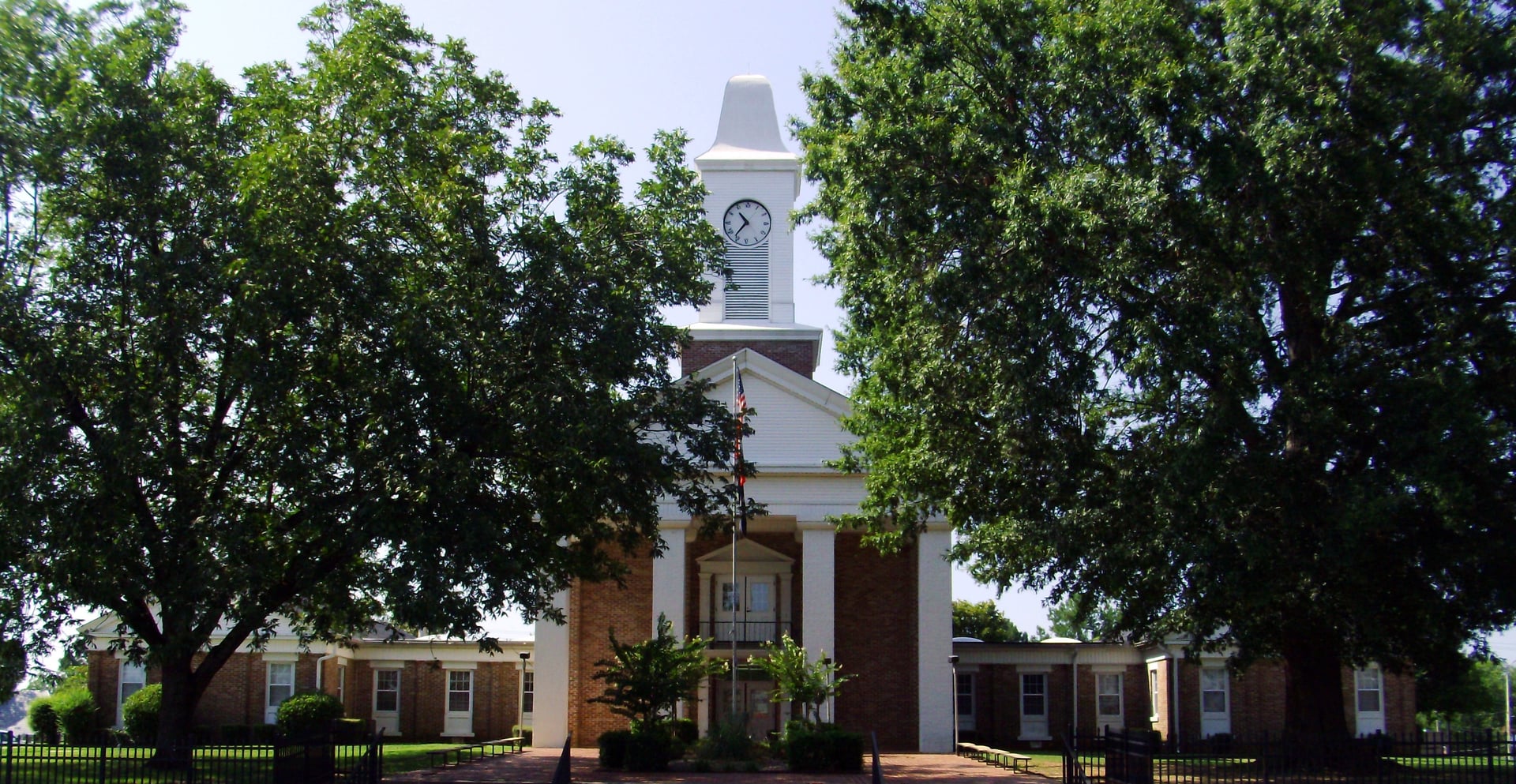
Arkansas Hall at 1118 Henderson Street is the university's performing arts center, housing a studio theater, auditorium, costume shop, dance studio, and multi-media classrooms. The building supports the university's theater and dance programs and hosts performances throughout the academic year.
The university is one of only two Arkansas public universities originally established as a four-year, degree-conferring institution, and is the second oldest under state control.
Sources
- https://en.wikipedia.org/wiki/Henderson_State_University
- https://encyclopediaofarkansas.net/entries/henderson-state-university-hsu-4139/
- https://www.arkansas.com/arkadelphia/attractions/henderson-state-university-arkansas-hall
Phantom soundsObject movementPhantom footstepsDisembodied laughterApparitions
Simon has a personality, which distinguishes him from most campus-ghost accounts. His behavior is playful rather than threatening: he prefers the balcony section of the Arkansas Hall theater, where he flips seats up and down in sequence, generates the sound of footsteps moving along the rows, and laughs — a sound accounts consistently describe as giggling rather than anything more menacing.
The newspaper drops are the most documentable category of his activity. Objects fall from ceiling height onto the stage during periods when no one is above the stage level. Newspapers have been specifically identified in these accounts, which raises the question of where a theater ghost obtains current newspapers — a detail no account addresses.
Simon's presence in the balcony and on the ceiling infrastructure suggests a figure comfortable in the technical superstructure of the theater: someone who, in life, may have worked in the fly system, the catwalks, or the projection booth. This is a common shape for theater ghosts — workers rather than performers.
The dormitory figure is less developed in available accounts. A woman is described moving through the dorms at night, searching for a lover who left her. She is said to have declined after his departure. The account lacks the specificity of Simon's profile but adds a second category of reported phenomena to the Henderson State campus.