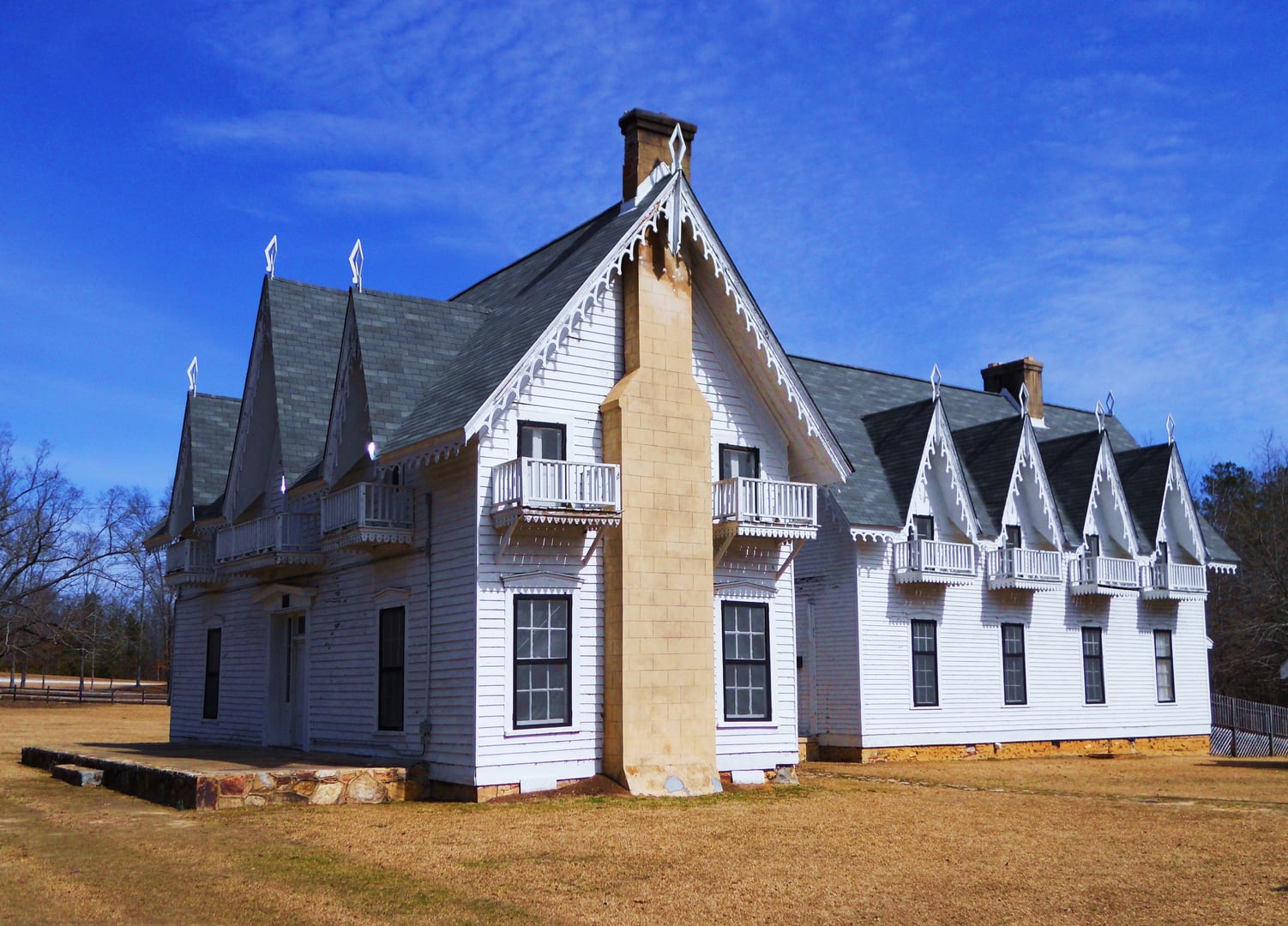
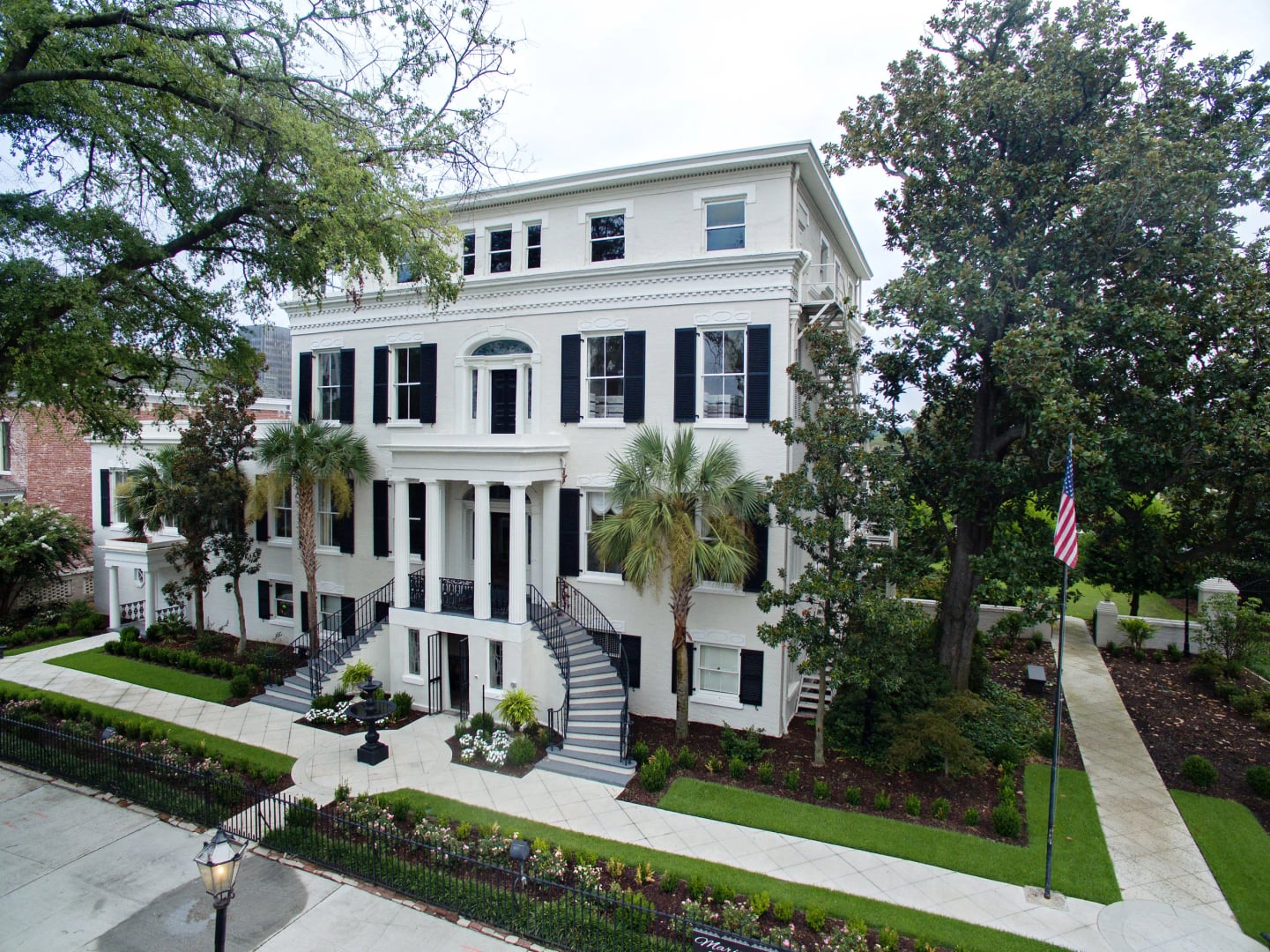
Est. 1842 · 1842 antebellum townhouse · Early owner's wife died in childbirth · Reconstruction-era Klan violence documented · Little Rock official visitor information center · National Register of Historic Places
Curran Hall was constructed between 1842 and 1843 on E Capitol Avenue in Little Rock. The Encyclopedia of Arkansas documents that the original owner sold the property swiftly after his wife died in childbirth within the house — a circumstance that attached an early reputation of misfortune to the address.
During the Reconstruction period, Curran Hall became associated with documented political violence. The Encyclopedia of Arkansas account and local historical literature note that the house was connected to Klan-related activity and deaths during the years when Arkansas's Reconstruction government was contested by organized violence — a period that left a record of killings across the state.
The property was acquired by the City of Little Rock and renovated in later decades to serve as the official visitor information center for the city's tourism bureau. The restoration preserved much of the antebellum floor plan and period millwork. Staff who have worked in the building have reported unexplained activity.
Sources
- https://encyclopediaofarkansas.net/entries/curran-hall-3038/
- https://armoneyandpolitics.com/the-digs-of-the-deal-curran-halls-curmudgeonly-past/
Being pushed by unseen presencePhantom voicesChairs movingLights switching on and off
Curran Hall's paranormal reputation draws on both the documented death in the building — the owner's wife dying in childbirth — and the undocumented but historically plausible violence associated with the Reconstruction period. What is notable about the accounts from this location is that they involve physical contact: multiple staff members have described the sensation of being pushed firmly from behind when standing alone in the building, turning to find no one present.
Additional reported phenomena include phantom voices heard in closed rooms, chairs that staff find moved from their previous positions, and the building's lights activating and deactivating without being switched. The location is listed as a stop on ghost tour itineraries that cover the Little Rock downtown historic district.
Because the building now functions as a city-operated visitor center, the staff are public employees rather than hospitality workers, which gives a different character to the accounts — they are not commercially incentivized to emphasize or embellish the building's reputation.