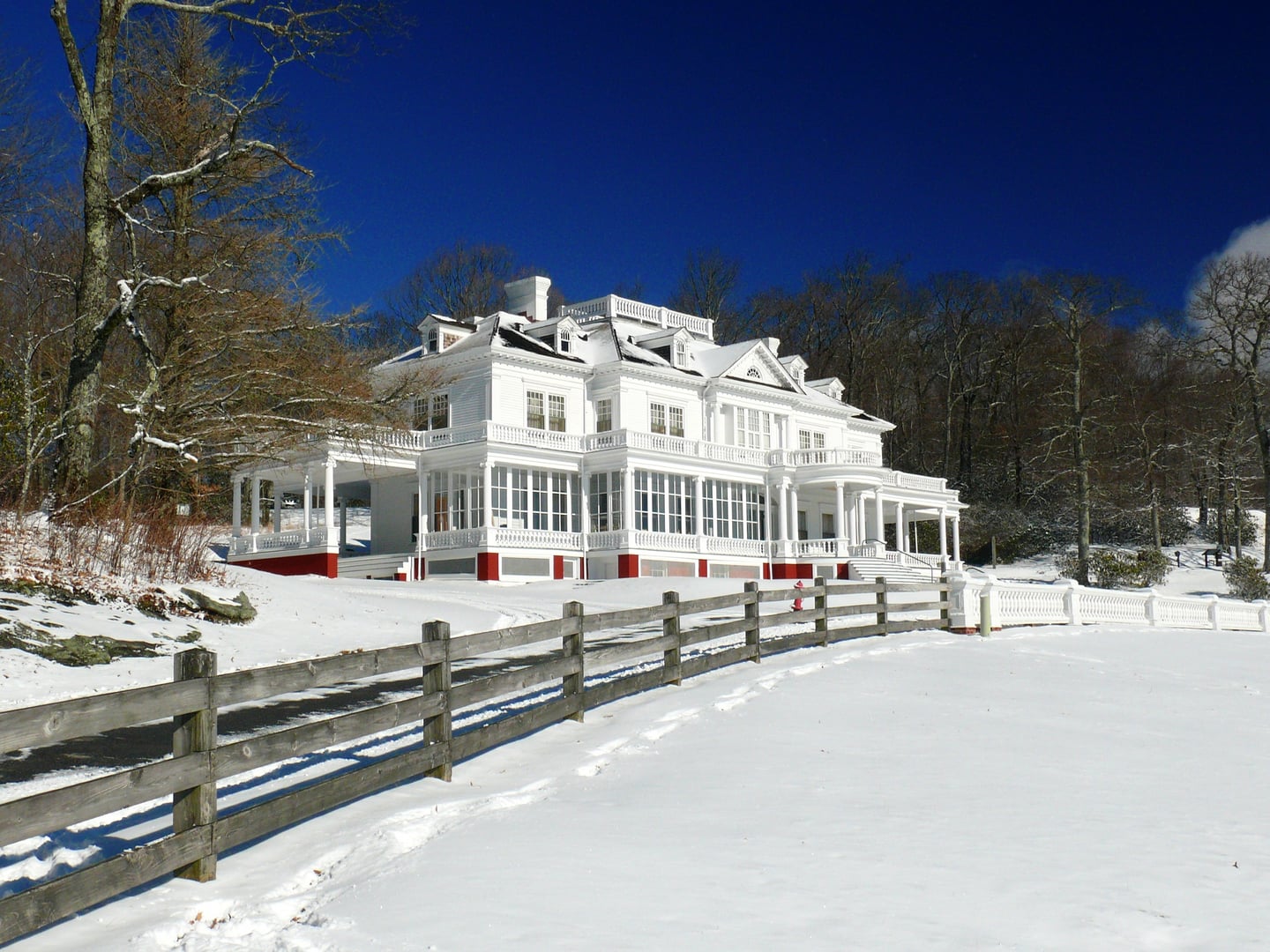
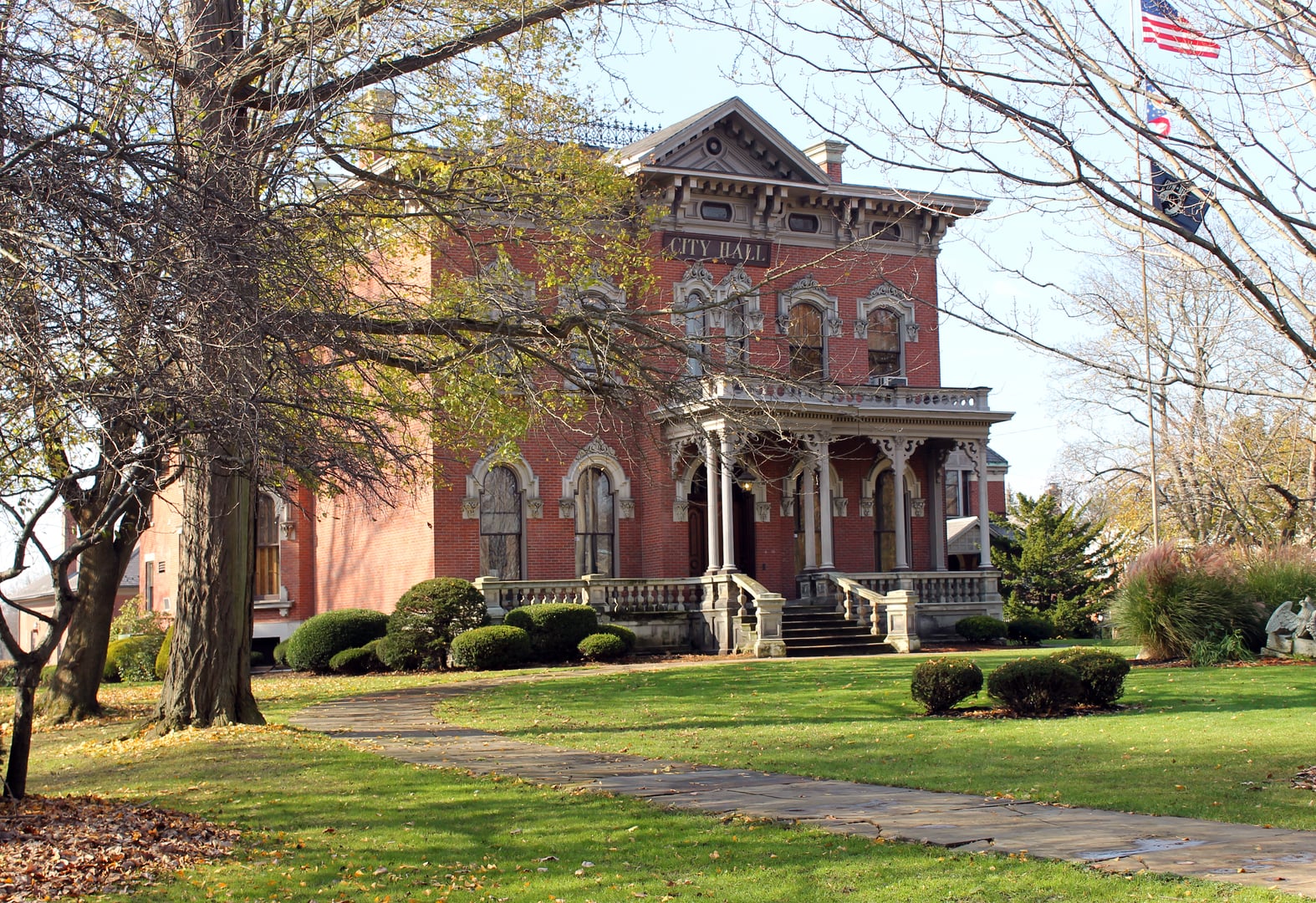
Est. 1850 · National Register of Historic Places (1978) · Built by Horace King, a formerly enslaved master builder · Rare Carpenter Gothic domestic architecture in Alabama · City of Opelika public park since 1946
Spring Villa was completed in 1850 for William Penn Yonge (1823–1878), an Opelika-area planter who had prospected in California before returning to Alabama to develop his Lee County estate. The mansion is a rare example of Carpenter Gothic or Gothic Revival domestic architecture in Alabama, characterized by steeply pitched cross-gables, ornamental bargeboards, and diamond-pinnacled gable crowns inspired by the designs of landscape architect Andrew Jackson Downing.
The builder was Horace King (1807–1885), a man of African American and Catawba Indian descent who had been enslaved by bridge contractor John Godwin. King became one of the most accomplished builders in the pre-Civil War Deep South — responsible for bridges across the Chattahoochee, the Alabama State Capitol renovation, and institutional buildings including Bryce Hospital in Tuscaloosa. He was manumitted by the Alabama legislature in 1846 with Godwin's support. King's authorship of Spring Villa is documented in the City of Opelika's historical records and underscores the extent to which enslaved and formerly enslaved craftsmen built the monumental architecture of the antebellum South.
During the Civil War, Penn Yonge used his lime operations at the nearby Chewacla Lime Works to supply materials for Confederate fortifications. The original mansion burned in the late 1920s, and the current structure was rebuilt in 1934 by the Civil Works Administration after the City of Opelika acquired the 350-acre property in 1927 for water-supply purposes. The Spring Villa Park Board began operating the site in 1946. Spring Villa was added to the National Register of Historic Places on January 3, 1978, for its architectural significance.
Sources
- https://www.opelika-al.gov/321/Spring-Villa-History
- https://en.wikipedia.org/wiki/Spring_Villa
- https://www.aotourism.com/blog/post/most-haunted-places-in-auburn-opelika-ranked/
Child's voice near creekUnexplained audio recordingsSensed presence in mansion rooms
The dominant ghost story attached to Spring Villa — that Penn Yonge was murdered by an enslaved person on the 13th step of the interior staircase — has circulated in regional paranormal literature for decades. Paranormal researchers who investigated the mansion, including a team from the television program Alabama's Most Haunted documented in a 2018 OA Now news feature, found no historical documentation of any such murder. Yonge died in 1878, but the cause and circumstances of his death are not recorded in the available sources reviewed here. The 13th-stair murder story is presented by local historians and paranormal investigators alike as an unverified legend, not a documented historical event.
What investigators did document at the mansion was a separate pattern of unexplained audio — most notably reports of a child's voice calling out near the creek that runs through the Spring Villa Park grounds. Auburn-Opelika Tourism's haunted-places feature records accounts of visitors hearing a young voice near the water.
The historical weight of Spring Villa's story rests less in ghost lore than in the documented biography of its builder, Horace King. A man born into enslavement who became one of the most technically accomplished builders in the antebellum South, King's authorship of the mansion represents the larger erasure in the popular history of the region, where enslaved and formerly enslaved craftsmen built the physical record that later generations romanticized. The site is a public park, which means that erasure can now be addressed directly in the grounds visitors walk.
Notable Entities
Penn Yonge (original owner; murder legend unverified)
Media Appearances
- Alabama's Most Haunted (television, 2018)