Est. 1856 · Antebellum Academic Architecture · Civil War Union Military Occupation · University of North Alabama Founding Structure
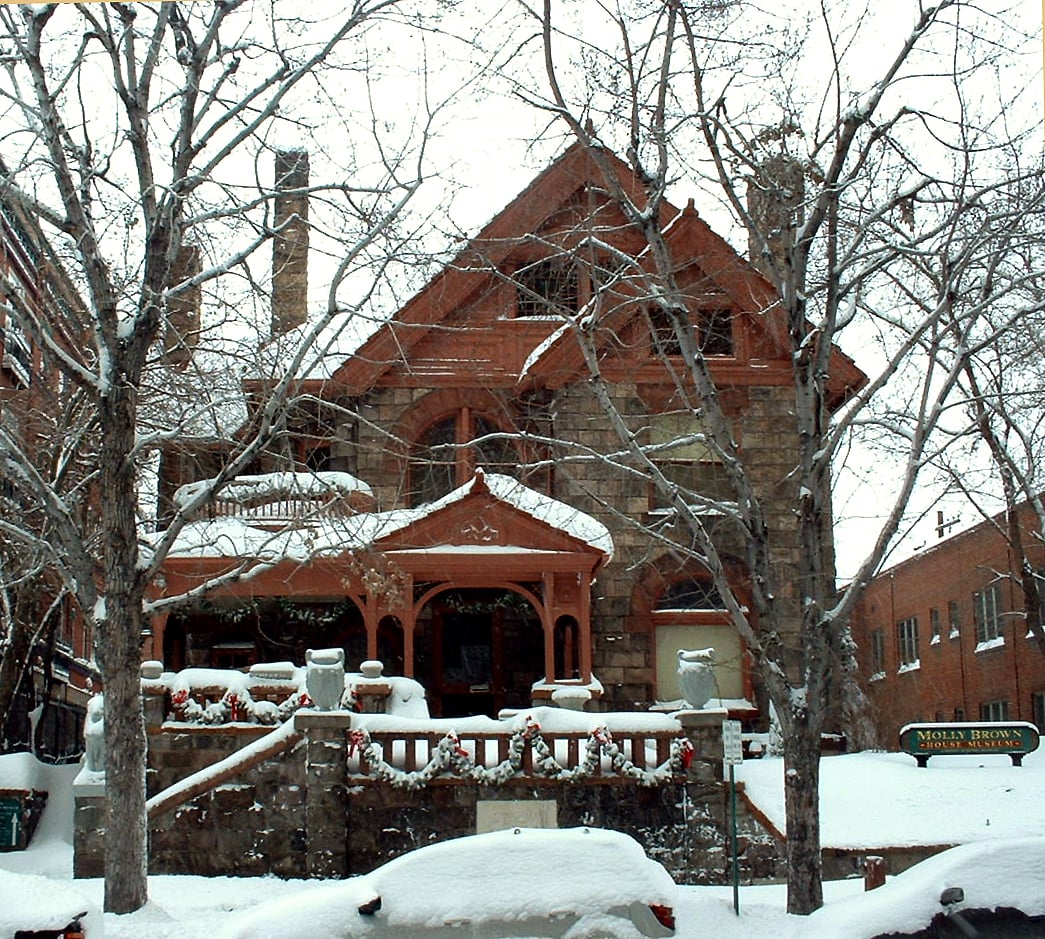
Wesleyan Hall has stood at the center of the UNA campus since 1856, making it one of the oldest continuously standing academic buildings in Alabama. The university itself was founded in 1830 as LaGrange College before relocating to Florence, and Wesleyan Hall became the architectural anchor of the rebuilt campus.
During the Civil War, Union forces under General William T. Sherman occupied Florence in 1865 during the final stages of the war. Wesleyan Hall was commandeered for use as a military hospital for Union soldiers wounded in the Tennessee Valley campaign. The building sustained the dual role of military facility and educational institution — a pattern common to Southern college campuses that changed hands during the conflict.
The hall retains its 19th-century character and remains in active use as part of the university, serving as a teaching and administrative space. Its documented Civil War occupation gives it a historical record that most campus buildings of its era do not have, and the UNA student newspaper and Florence tourism sources confirm its standing as the most historically significant structure on the UNA campus.
Sources
- https://theflorala.com/13251/news/is-una-haunted-you-decide/
- https://www.visitflorenceal.com/events/haunted-history-of-una-ghost-walk/
ApparitionsUnexplained FootstepsPhantom Sounds
The UNA student newspaper, The Florala, has documented the Jeremiah legend in at least one feature investigation. Jeremiah is described not as a Civil War casualty but as a boy who drowned in Cypress Creek, a waterway that runs near the campus. The legend holds that watery footprints — the sound of wet feet on wooden floors — can be heard moving across the upper stories of Wesleyan Hall.
The Sherman sighting claim is older and less consistent in the record: a student journalist writing in the 1950s reportedly described seeing a figure matching Sherman's description in the main lecture hall. No subsequent verified sightings of that specific apparition have been documented, and the claim rests on a single historical account.
The Florence ghost walk includes Wesleyan Hall among its UNA campus stops, presenting both the Civil War hospital history and the Jeremiah legend for tour participants. The combination of the documented military occupation and the local drowning legend gives the building two distinct paranormal narratives that the organized ghost walk community has recognized.
Notable Entities
Jeremiah (alleged drowned boy)General William T. Sherman (alleged 1950s sighting)