Est. 1860 · De Tonti Square Historic District contributing property · National Register of Historic Places (1972) · Library of Congress HABS AL-1356 · Mid-nineteenth-century steamboat-era Italianate architecture
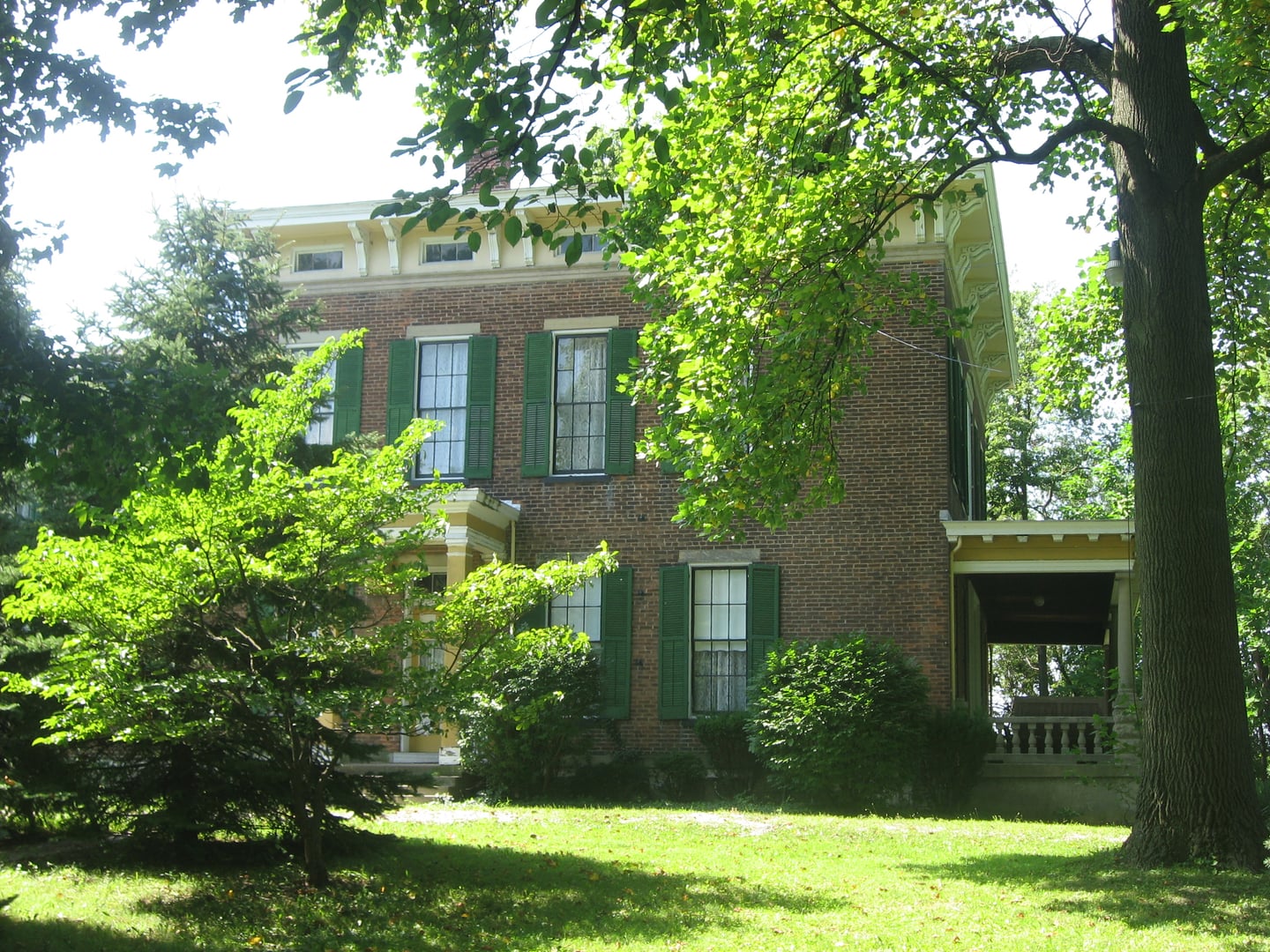
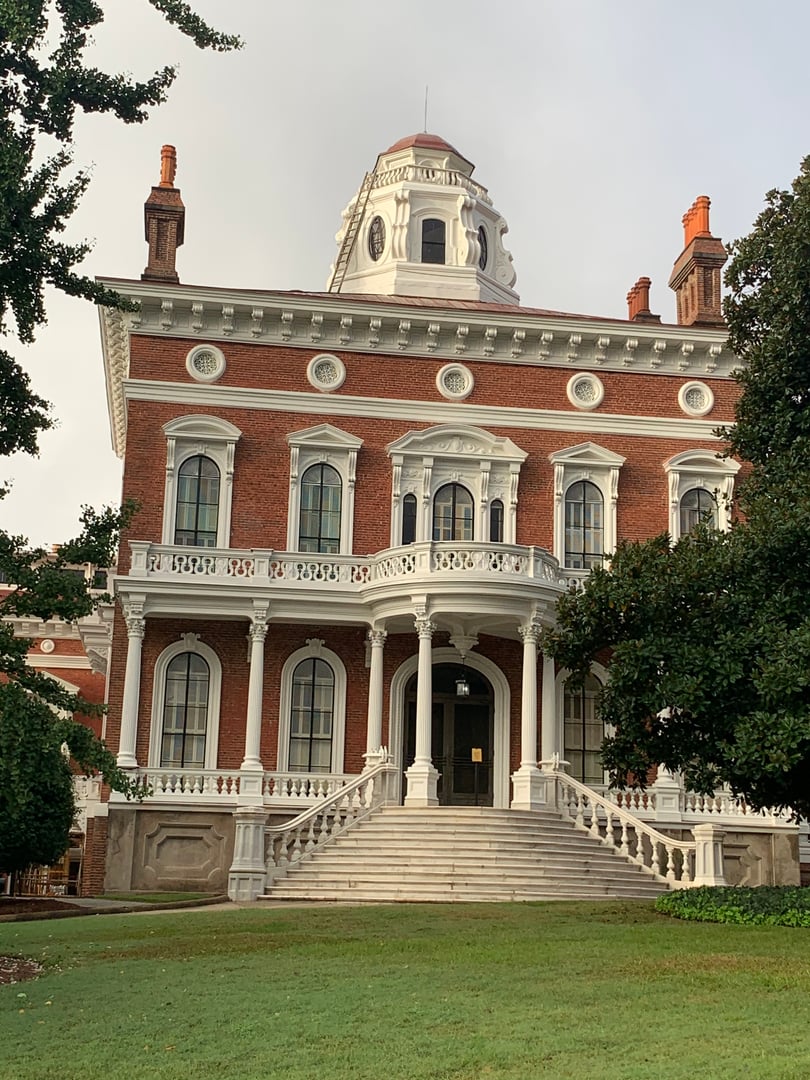
Charles G. Richards, a steamboat captain who worked the Alabama and Mobile rivers, completed the Italianate-style brick mansion at 256 North Joachim Street in 1860 for his family. Richards and his wife, Caroline Elizabeth Steele, raised their large family in the house through the Civil War and early Reconstruction. They had twelve children, of whom four died young — two as newborns, one at age five, and another at age ten — a mortality pattern typical of mid-nineteenth-century urban Mobile, where yellow fever epidemics recurred through the period.
Caroline Richards herself died in 1867, shortly after giving birth to the family's twelfth child. The house remained in the Richards family until the late nineteenth century and changed hands several times before falling into disrepair. The Daughters of the American Revolution Mobile chapters acquired the property in the 1940s and undertook a long restoration, opening it as a house museum.
The mansion is a contributing property to the De Tonti Square Historic District, listed on the National Register of Historic Places on February 7, 1972. The Library of Congress holds a Historic American Buildings Survey (HABS) record (AL-1356) documenting the building's interior and exterior in measured drawings and photographs.
Like Mobile's other antebellum-era mansions, the Richards household was embedded in the cotton-and-steamboat economy that depended on enslaved labor. The museum's current interpretation acknowledges this context. The kitchen, service yards, and likely upper-floor service spaces would have been staffed by enslaved people during the Richards family's pre-1865 occupancy, and post-Civil War tax and census records document African American domestic workers continuing in service positions at the property through the Reconstruction era.
Sources
- https://en.wikipedia.org/wiki/Richards_DAR_House
- https://www.dar.org/national-society/historic-sites-and-properties/richards-dar-house-museum
- https://www.loc.gov/item/al1356/
- https://www.southernspiritguide.org/spirits-on-the-bay-of-the-holy-spirit-richards-dar-house/
- https://thehorrorcollection.com/richards-dar-house-haunting/
Apparition of a woman at the red bedroom windowChildren's laughter and running footfallsObject movement (antique marbles, toys)Apparition of a male figure in frock coat during stormsPhotographic anomaliesRecorded voice phenomena (EVP)
The Richards-DAR House's signature apparition is a woman in nineteenth-century period dress seen at a second-floor window of the red bedroom, often described by staff as appearing when docents arrive to open the museum in the morning. Local tradition and the Southern Spirit Guide profile associate the figure with Caroline Richards, who died in 1867 after the birth of her twelfth child. Witnesses describe her as motionless at the window, sometimes appearing to look out toward Joachim Street, before the image fades.
A second, well-documented strand of the lore concerns what docents call the Boys' Room — a second-floor bedroom kept furnished with period children's toys. Staff and visitors over many years have reported the sound of children's voices and light footfalls running between the staircase landing and the upper hallway, with the children sometimes described as peering through the spindles of the staircase rail and shushing one another when adults approach. Antique marbles set out as part of the room's interpretive display have repeatedly been found rearranged between morning opening and the previous evening's closing, an account documented across the Pensacola Ghost Events compilation and The Horror Collection's investigation feature.
A male figure in a frock coat has been reported glimpsed during thunderstorms, typically in the front parlor or at the foot of the main staircase. Witnesses describe the figure as turning to face them before disappearing. The DAR chapter has allowed paranormal investigators access in recent years; the Delta Paranormal Project Alabama's published session reports note photographic anomalies, recorded voice phenomena (EVP), and elevated readings clustered on the second floor.
The museum handles the lore with care, framing the Caroline Richards narrative within the documented historical record of her death in childbirth and the family's repeated experience of child loss, rather than as a sensationalized 'mourning mother' trope. Discussion of antebellum slavery is part of the standard tour interpretation, and the Richards household's enslaved domestic workers are acknowledged even where individual names are not reflected in the lore.
Notable Entities
Caroline Elizabeth Steele RichardsThe Richards children (Boys' Room)The Frock-Coated Man
Media Appearances
- Southern Spirit Guide feature
- Delta Paranormal Project Alabama investigation reports