Est. 1859 · Birthplace of West Virginia statehood · Civil War Unionist convention site · Federal custom house architecture
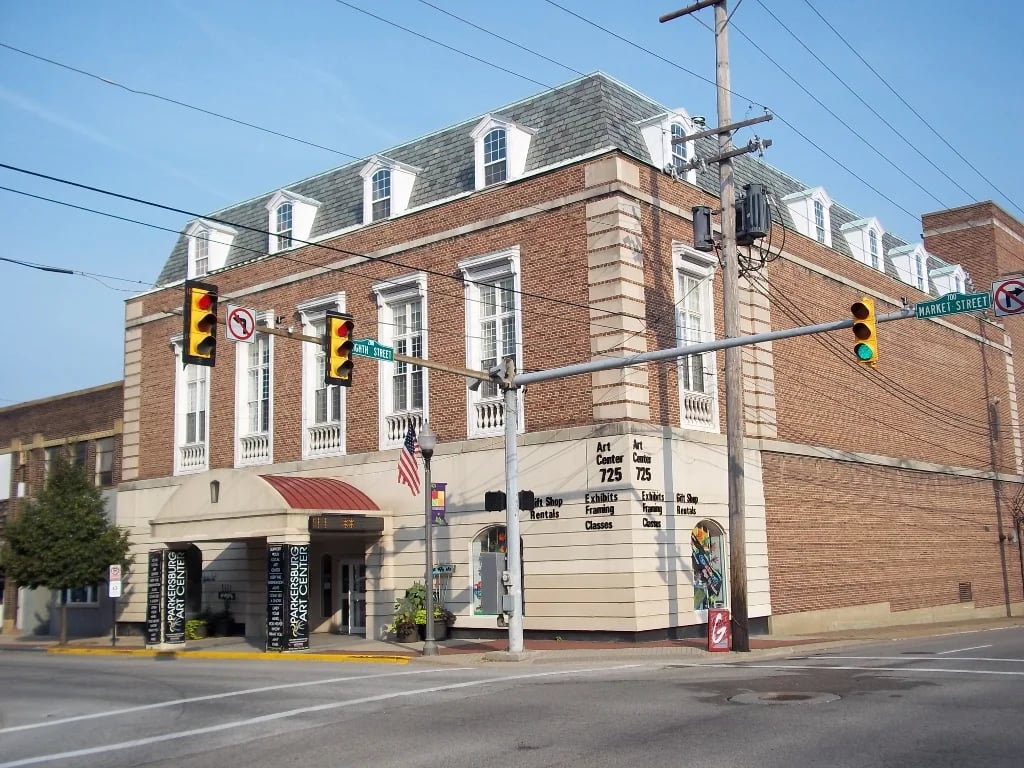
West Virginia Independence Hall was completed in 1859 as the United States Custom House at Market and Sixteenth Streets in Wheeling, housing a federal courtroom, post office, and other offices. The Italianate building was designed by Ammi B. Young, supervising architect of the U.S. Treasury.
When Virginia voted to secede in 1861, Unionists in the state's northwestern counties gathered in Wheeling. The First and Second Wheeling Conventions met in the building and established the Reorganized Government of Virginia, the legal step that allowed the new state of West Virginia to be admitted to the Union in 1863. For that reason the structure is regarded as the birthplace of the state.
The building later passed out of federal use and fell into decline before the state of West Virginia purchased it and carried out an extensive restoration in the 1960s. It reopened as a museum and is operated today by the West Virginia Division of Arts, Culture and History, with a restored courtroom tied to Civil War-era judge John Jay Jackson Jr. and exhibits on the statehood movement. Admission to the museum is free.
Sources
- https://wvculture.org/explore/wv-independence-hall/
- https://www.theintelligencer.net/news/community/2016/10/haunted-history-in-west-virginia-independence-hall/
- https://ledenews.com/ghost-walk-at-w-va-independence-hall-offers-spooky-fun/
ApparitionsPhantom footstepsObjects moving on their ownDoors slammingUnexplained sounds
Reports of unexplained activity at Independence Hall have been documented by named staff over many years. Longtime employee Bruce Cooey told The Intelligencer in 2016 that something shoved him in the back in a second-floor hallway, that he watched a fire extinguisher come off its wall bracket and roll across the floor, and that a visitor reported seeing an apparition in the restoration room. Site director Debbie Jones described hearing unexplained noises in her upstairs office near the courtroom once used by Judge John Jay Jackson Jr.
Former site manager Gerry Reilly later told Lede News that he had experienced lights turning off on their own, objects moving, and sounds with no clear source, adding that nearly everyone who works in the building has a story to tell. Reported phenomena over the years include footsteps with no visible source, an erratically operating elevator, doors slamming, and lights flickering.
The West Virginia Independence Hall Foundation leans into that reputation each October with a ticketed Ghost Walk fundraiser, during which guides recount the documented encounters. The program supports the volunteer foundation that helps maintain the historic site.
Notable Entities
Restoration-room apparition