Est. 1902 · Site of the Camden Theater, a 1902 opera house · Camden moved into film in the 1910s · Camden Theater burned down in 1929
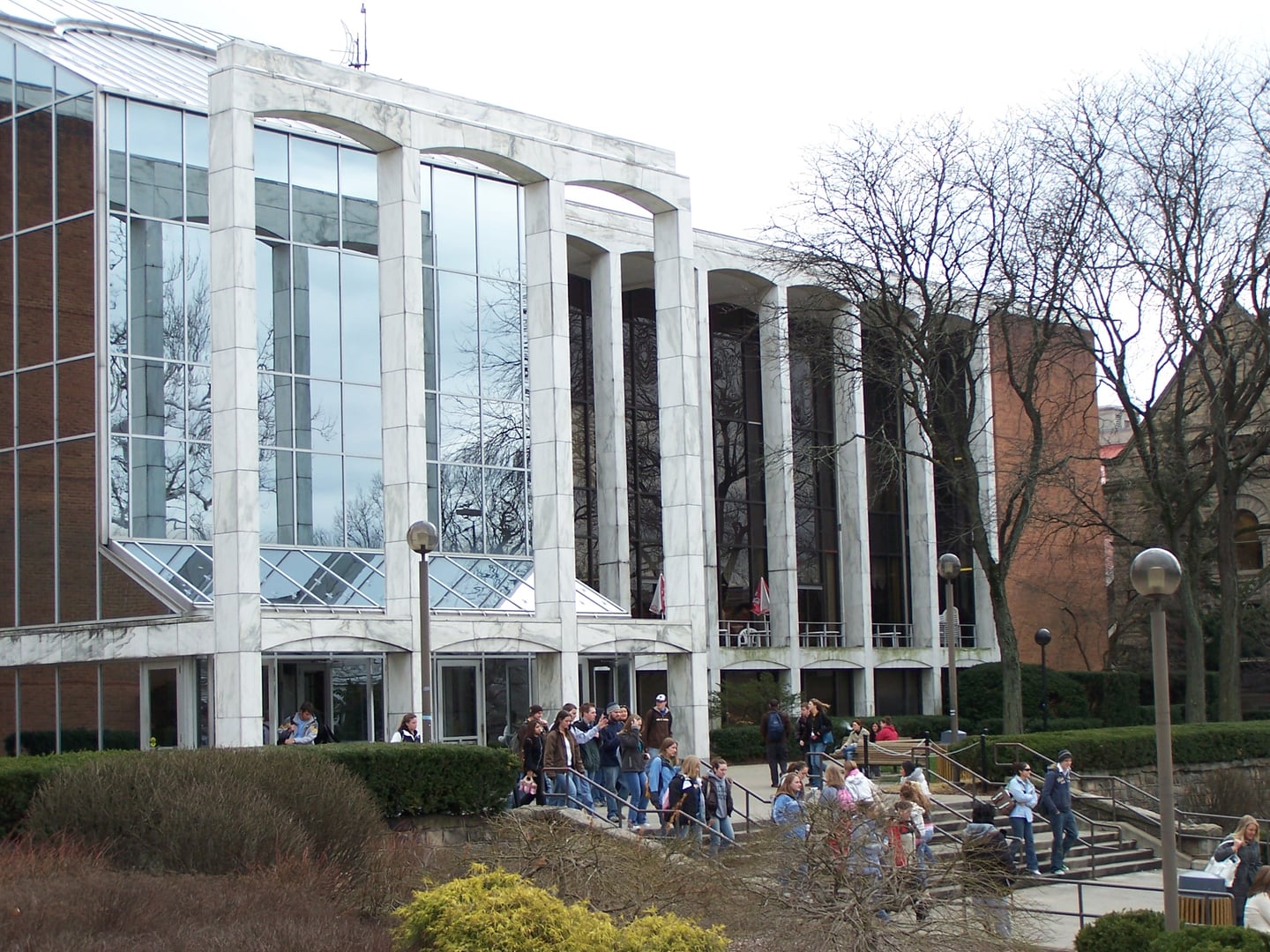
The Parkersburg Art Center sits on the footprint of the Camden Theater, one of downtown Parkersburg's early performance venues. The Camden opened as an opera house on September 10, 1902, presenting live performances at a time when opera houses anchored the cultural life of Ohio Valley towns.
As the entertainment business changed, the Camden adapted. It began showing motion pictures in the 1910s, joining the wave of theaters that shifted from live stage shows to film as cinema took hold. For roughly a quarter century it operated as a downtown theater.
The building burned down in 1929. The fire ended the Camden's run, and the site eventually became home to the Parkersburg Art Center, which today occupies the location and operates as the city's downtown gallery.
The art center's connection to a lost theater is the thread that links its present use to its haunting reputation. Theater historians document the Camden's opera-house origins, its move into film, and the 1929 fire, and the art center itself acknowledges the building's past in its public material. The result is a working art gallery layered on top of an early-1900s entertainment site, with a documented history of fire on the ground beneath it.
Sources
- https://cinematreasures.org/theaters/13347
- https://www.greaterparkersburg.com/hauntings-paranormal/
Phantom smell of buttered popcornHeavy objects reported moved by unseen hands
The art center's ghost stories trace back to the Camden Theater. The most distinctive report is the phantom smell of buttered popcorn drifting through a building that has not sold concessions in nearly a century — a detail that sticks precisely because it points to the site's old life as a movie house. Staff and visitors also describe heavy objects being moved or shifted with no one near them.
Local hauntings coverage from the greater Parkersburg tourism material and from West Virginia haunt-and-legend documentation records both the popcorn smell and the moving-object accounts, attributing them to the spirits said to have remained after the Camden burned in 1929.
These are anecdotal staff-and-visitor reports rather than the product of formal investigation, and we present them that way. The pull of the story is the fit between the phenomena and the history: the smell of popcorn and the memory of a theater that ended in fire, now overlaid on a quiet downtown art gallery. Visitors come for the galleries first and the lore second.
Where this legend is told