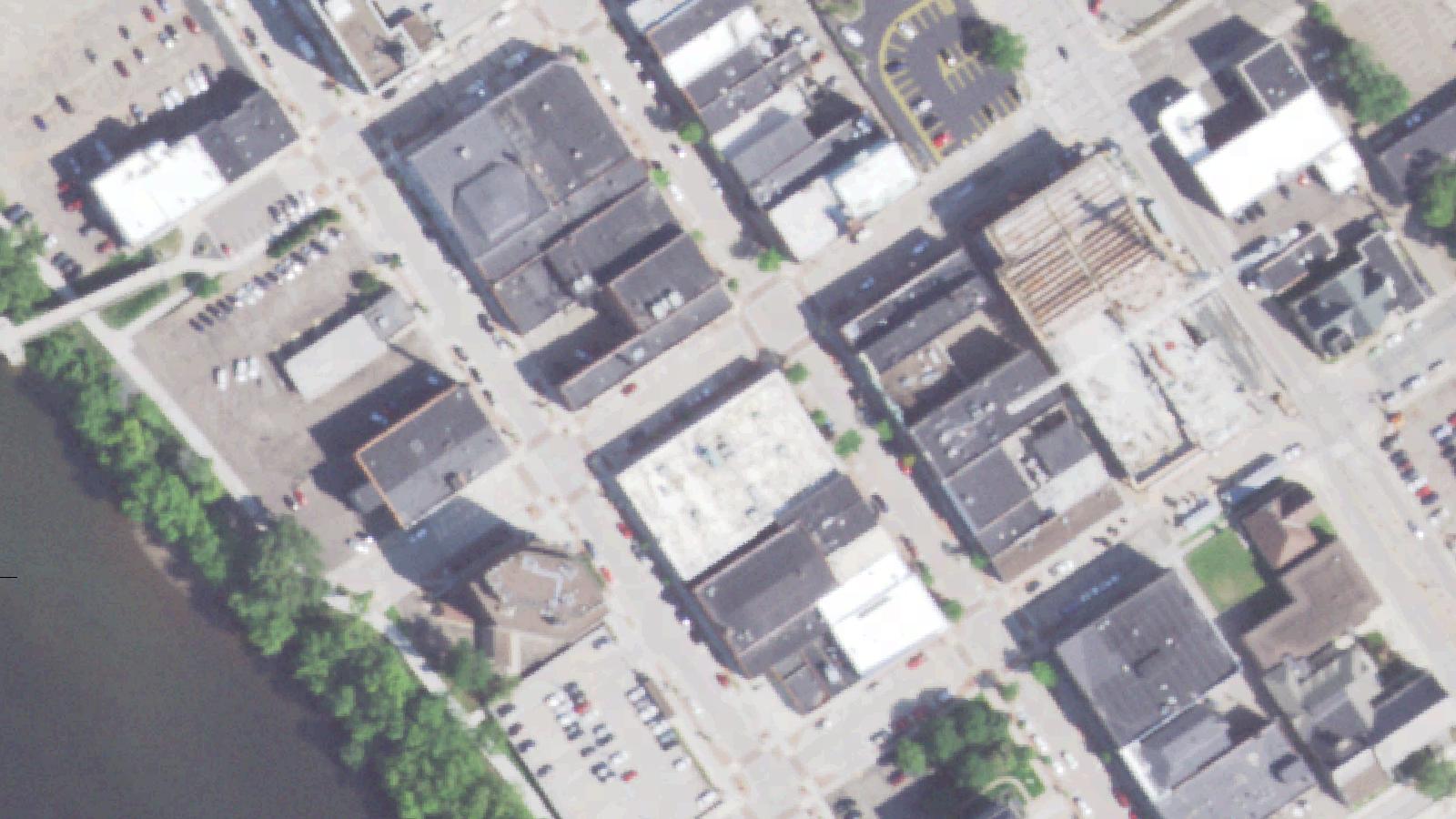
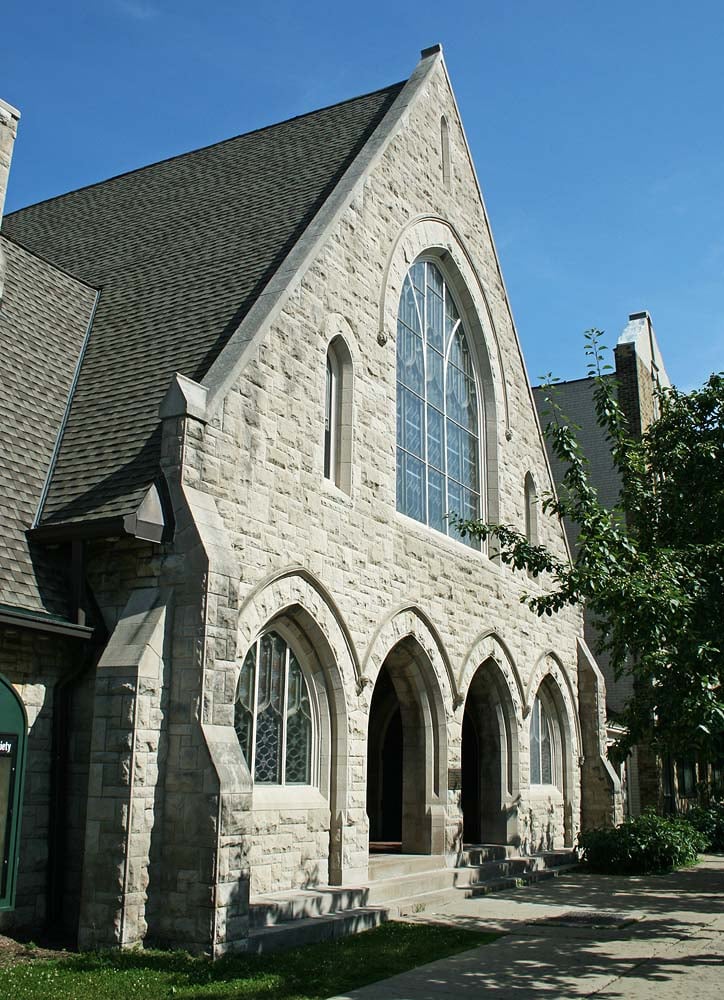
Est. 1883 · 1883 vaudeville and opera venue · Downtown Eau Claire historic district · Chippewa Valley lumber-era architecture
The Grand Opera House was built in Eau Claire in 1883 at a cost of approximately $60,000, the equivalent of roughly $1.5 million today, with funding from both public money and private donations. The 1,500-seat venue featured elaborate fixtures, a fourteen-foot chandelier, 73-foot trusses, and a graceful staircase to the balcony, and was widely considered one of the best-performing arts venues in Wisconsin and possibly the wider upper Midwest.
The Opera House was part of a downtown Eau Claire cluster that also included the Schlegelmilch House, an early brick merchant home built by Herman and Augusta Schlegelmilch in 1871 and now operated as a museum by the Chippewa Valley Museum. Eau Claire's downtown developed quickly during the late nineteenth-century lumber boom, and venues like the Grand Opera House reflected the wealth and cultural ambitions of that era.
The Opera House closed in 1930 and the original building was eventually replaced. The Shadowlands entry refers to the site being 'made over' with a customer service center on the upper floor, consistent with later commercial redevelopment of the parcel. The site appears in the VoiceMap and Chippewa Valley Museum downtown historical walking tour.
Sources
- https://voicemap.me/tour/eau-claire-wisconsin/downtown-eau-claire-historical-walking-tour/sites/opera-house-and-houligans
- https://www.cvmuseum.com/explore/historic-buildings/21/schlegelmilch-house/
- https://www.travelwisconsin.com/architecture/schlegelmilch-house-200863
Doors closing on their ownFurniture movingApparitions of an elderly couple
Local accounts collected by the Shadowlands paranormal archive describe phenomena reported by office workers after the Opera House site was redeveloped. The redevelopment placed a customer-service workspace on what had been the upper level of the original theater, in space tradition associates with the actors' break and dressing rooms.
Workers reported that the doors to the break room would close on their own late at night, chairs would move across the floor without a visible cause, and an elderly man and woman were sometimes glimpsed standing quietly in the corners of the room. The reports lean toward gentle, observational phenomena rather than aggressive activity, in keeping with the building's long association with public entertainment rather than tragedy. Independent verification is limited and the accounts trace primarily to employee oral tradition rather than published investigation.
Where this legend is told