Est. 1880 · Late-1800s Chippewa River logging-era settlement · Near-ghost-town in Dunn County · Subject of documented Wisconsin folklore reporting and investigation
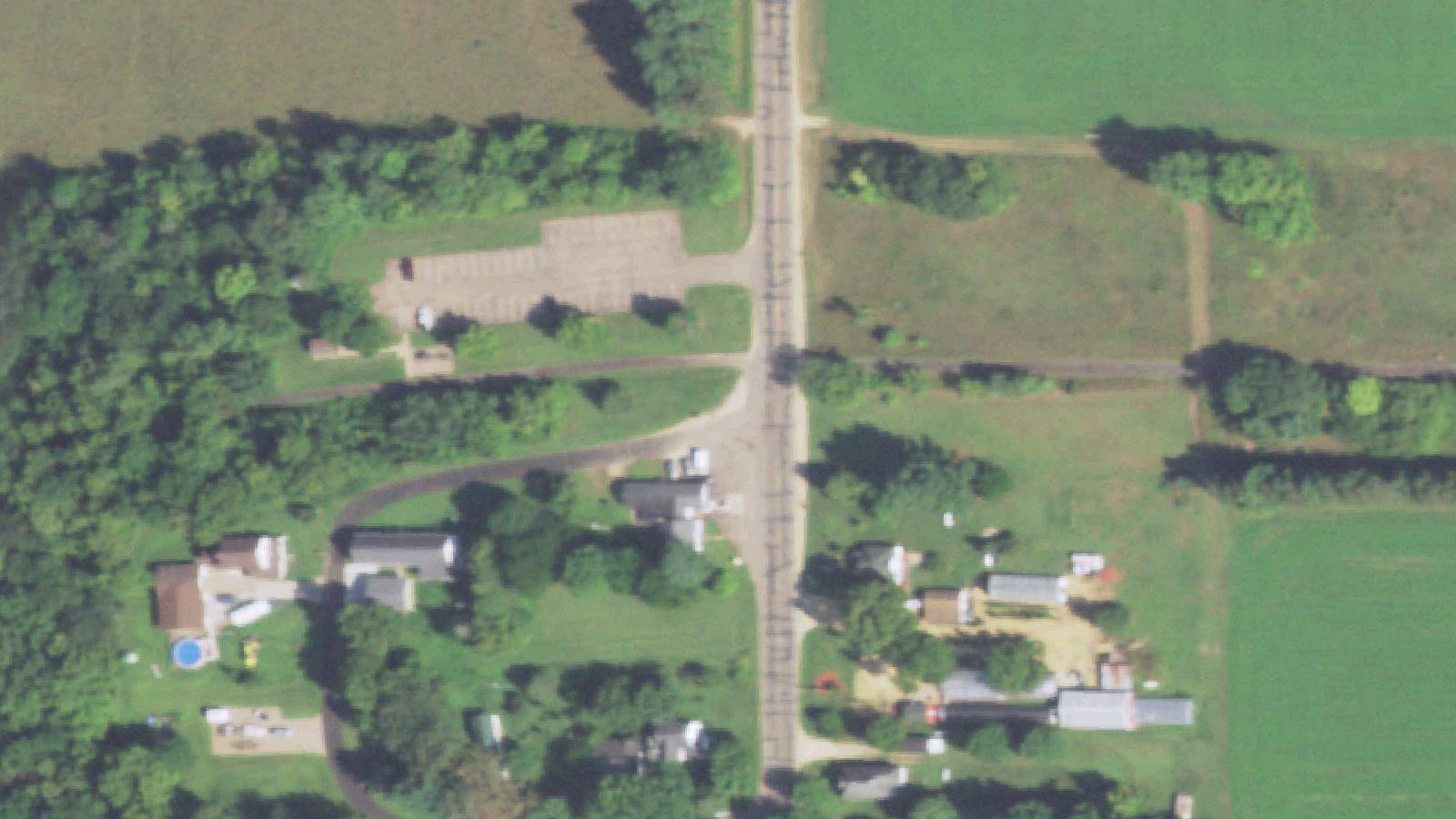
Caryville grew up in the late nineteenth century as a logging-era settlement on the south bank of the Chippewa River in the town of Rock Creek, Dunn County, Wisconsin. Like many small Wisconsin communities tied to the timber economy, it thrived while the white-pine lumber industry was at its height and then declined sharply as the forests were cut over and the railroads and mills moved on. Today Caryville is an unincorporated community strung along State Highway 85, near where Dunn County Highway H crosses the river.
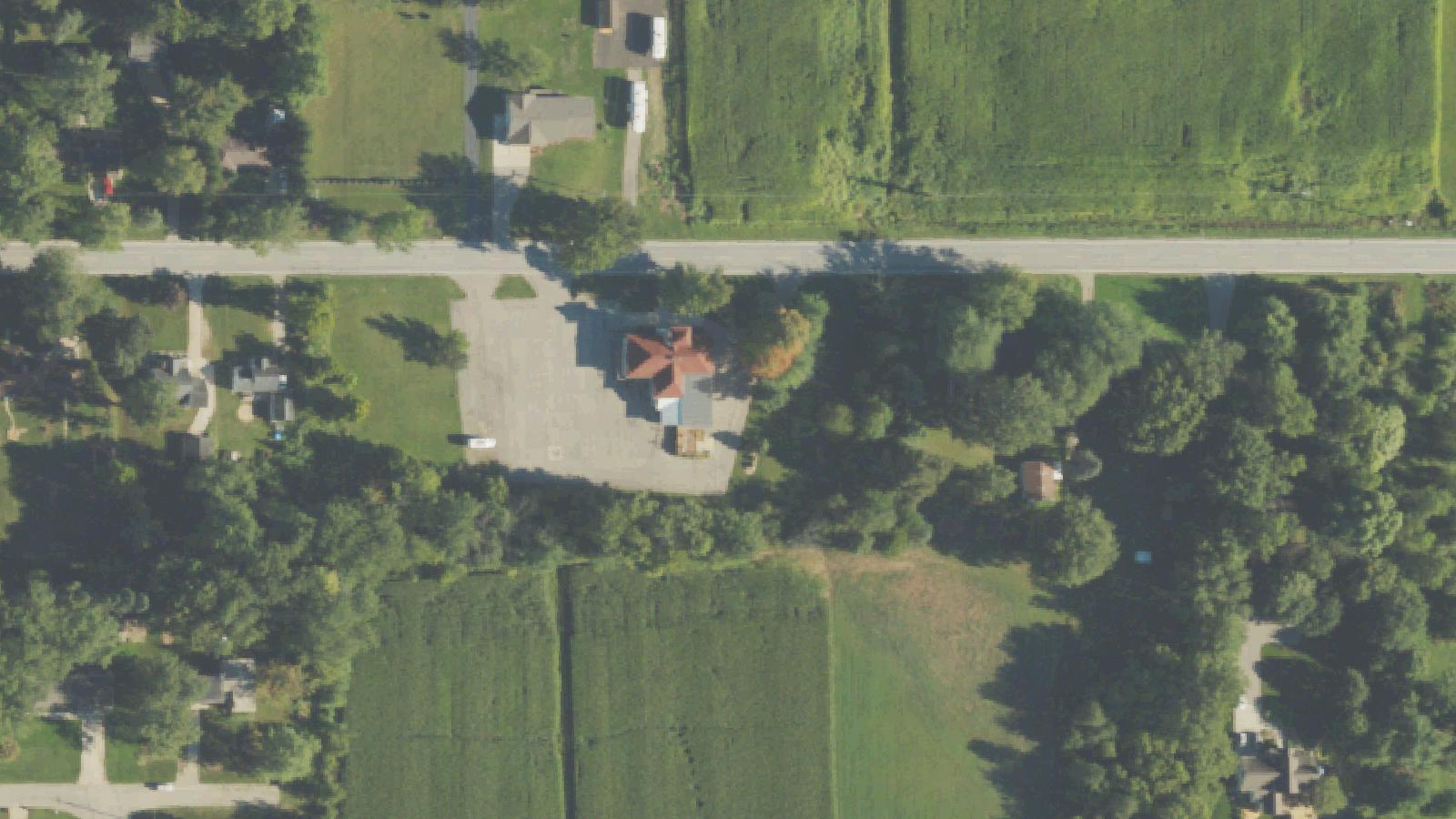
The community's surviving landmarks are a one-room schoolhouse, a small church, and the Sand Hill Cemetery set on a sand ridge nearby. These weathered structures, isolated in rural farm and river country, are what most visitors come to see. Local historians and paranormal researchers note that Caryville's ghost stories function as community memory: tales settlers and later generations used to explain a hard, sometimes tragic frontier existence.
The ghost lore of Caryville has received unusually thorough treatment for a rural Wisconsin site. Eau Claire television station WQOW produced a 'Local Haunts' feature on the community, interviewing local historians who carefully separated documented fact from legend. Wisconsin paranormal authors Chad Lewis and Terry Fisk, whose 'Haunted Wisconsin' field investigations are widely cited in the state, examined the church and schoolhouse and graded the site 'Not Haunted.'
The debunking is part of what makes Caryville notable. WQOW's reporting established that the most repeated legend, of a boy who froze to death at his school desk, did not happen; there was a boy named David who died while he was a student, but he died of polio at a hospital, not in the schoolhouse. Likewise, the story of a priest who hanged himself in a church bell tower has no historical record, and the church in question was a Lutheran congregation, which does not have priests. Caryville thus stands as a case study in how rural American folklore forms, spreads, and can be checked against the record.
The sites have suffered ongoing vandalism, and local voices have repeatedly asked visitors to treat the buildings and cemetery as the historic community property they are rather than as a thrill destination.
Sources
- https://www.wqow.com/news/local-haunts/local-haunts-the-many-ghost-stories-of-caryville/article_a216af1a-7450-11ee-ac08-b7a673f8a333.html
- https://en.wikipedia.org/wiki/Caryville,_Wisconsin
- https://volumeone.org/sites/halloween/articles/2020/09/29/267176-5-local-spooky-spots-that-will-scare-your-socks
ApparitionsCold spots / strange sensationsPhantom soundsResidual haunting
The most repeated Caryville legend concerns the one-room schoolhouse. As the story is told, a young boy seeking shelter from an abusive father took refuge in the school and was found frozen to death at his desk by a teacher the next morning; visitors who sit at the desk are said to feel a strange rush as something passes through them. According to Eau Claire's WQOW, which interviewed local historians for its 'Local Haunts' feature, this never happened. There was a boy named David who died while attending the school, but he died of polio at a hospital, not frozen in the schoolhouse. Local investigator commentary cited by WQOW emphasized that 'paranormal lore doesn't always match up to what actually happened.'
A second legend holds that, when investors sought to tear down a church in the community, a distraught priest hanged himself in the bell tower, and that creepy occurrences have followed ever since. WQOW's reporting found no record of any such hanging, and noted a basic flaw in the tale: the church involved was a Lutheran congregation, and Lutheran churches do not have priests.
The nearby Sand Hill Cemetery, with deteriorating 1800s graves on an isolated sand ridge, contributes the most visually striking element of the lore, with reports of apparitions and figures among the stones. A separate area legend attaches phantom 'hellhounds' to the nearby Meridean boat landing, which local historians attribute to natural sounds such as foxes.
Wisconsin paranormal authors Chad Lewis and Terry Fisk investigated the church and schoolhouse and assigned the site a 'Not Haunted' grade. Local historians interviewed by WQOW framed the stories as valuable community history, the kind of narratives that a late-1800s logging settlement used to explain the unknown, and urged respect for the genuinely historic, repeatedly vandalized sites. Caryville's enduring interest lies less in any confirmed haunting than in how vividly its folklore persists despite being checked against the record.
Notable Entities
The schoolhouse boy (legend)The bell-tower priest (legend)
Media Appearances
- WQOW 'Local Haunts'
- Haunted Wisconsin (Chad Lewis & Terry Fisk)