Est. 1889 · 112-Year County Asylum Operation (1889–2001) · 1913 Unauthorized Surgery Scandal · 133-Person Patient Cemetery Rededicated 2015 · 2016 'Asylum: Out of the Shadows' Museum Exhibit
The Outagamie County Asylum for the Chronic Insane was established in 1889 in Appleton, Wisconsin, as the county's facility for long-term psychiatric patients. The institution reflected the Progressive Era model of institutional care: a working farm campus where patients contributed labor to the institution's operations, housed in a large main building surrounded by outbuildings and agricultural land.
The asylum's most damaging scandal emerged in 1913, when a lawsuit revealed that superintendent George Downer had performed unauthorized surgical castrations on male patients, apparently believing the procedure reduced violent behavior. The resulting court case was widely reported in Wisconsin newspapers. Downer died by suicide in 1915 amid the professional fallout.
A second investigation in 1943-44 documented broader patterns of patient abuse. The institution continued operating under revised management and eventually became Outagamie County Health Center, serving a broader population. It closed in 2001 and the Brewster Village campus was subsequently redeveloped.
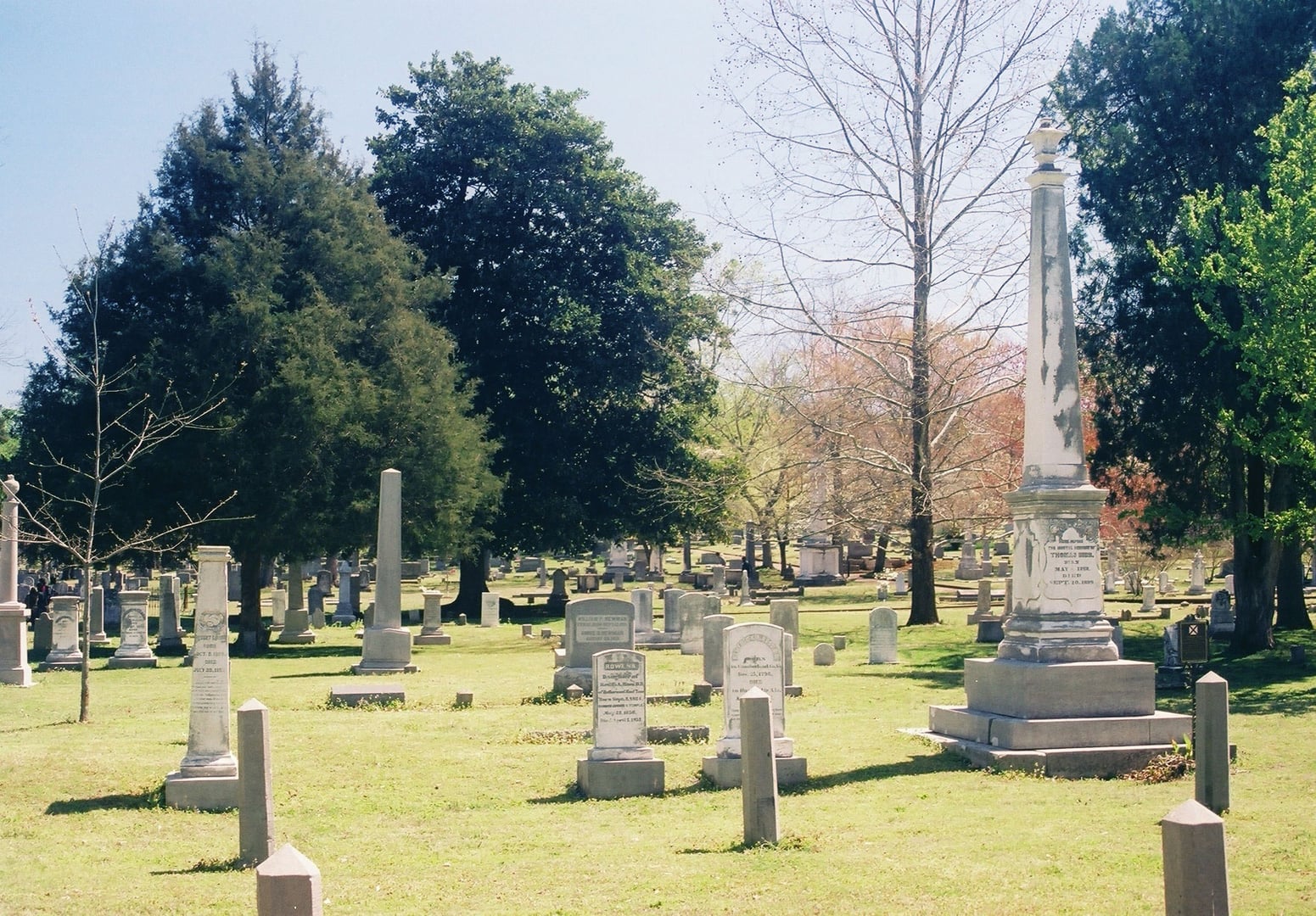
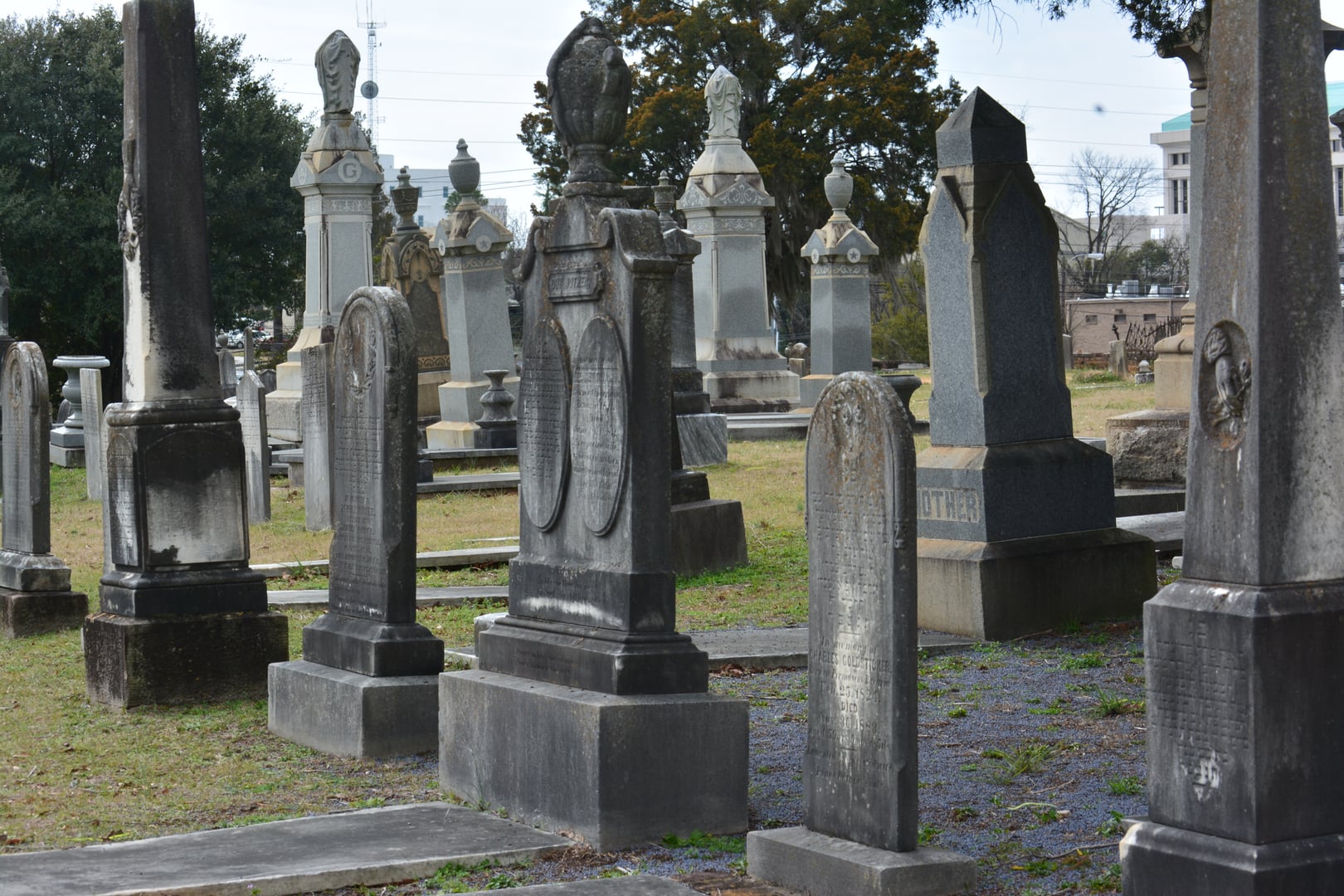
The patient cemetery, which contains 133 graves dating from 1891 to 1943, fell into neglect after the institution's closure. A community preservation effort resulted in a 2015 rededication ceremony at which headstones were installed identifying each buried person by name. Interpretive storyboards were added to the cemetery site at the same time.
The History Museum at the Castle — located in the former Outagamie County Courthouse at 330 E College Ave in downtown Appleton — mounted a 2016 exhibit titled 'Asylum: Out of the Shadows' that used photographs, patient restraint tools, medical records, and patient testimonials to document the asylum's history. The exhibit received regional attention as one of the more thorough public accountings of a Wisconsin asylum's history.
Sources
- https://en.wikipedia.org/wiki/Outagamie_County_Health_Center
- https://www.yahoo.com/news/history-outagamie-county-asylum-chronic-110204468.html
- https://foxcitiesmagazine.com/2016/11/asylum-out-of-the-shadows/
- https://fox11online.com/news/local/fox-cities/history-museum-at-the-castle-exhibit-spotlights-old-outagamie-county-asylum
Atmospheric heaviness reported at cemeteryUnease associated with formerly numbered graves
The Outagamie County Asylum cemetery's haunted reputation, such as it is, derives more directly from its documented history than from elaborate paranormal accounts. For decades, 133 patients were buried without publicly visible names — their graves marked only with numbers. The erasure of individual identity in death, following a lifetime of institutional confinement, was the source of community grief that drove the 2015 rededication effort.
Visitor accounts of the cemetery describe the kind of atmospheric weight common to asylum burial grounds: a silence that feels loaded, an unease at the numbered graves that preceded the 2015 headstones, and a general sense of unresolved history. The Outagamie County Wikipedia entry documenting the 1913 castration scandal and the subsequent suicide of superintendent Downer has contributed to the site's dark-history profile.
No formal paranormal investigation with published findings has been identified at the cemetery or the former campus. The site's dark-history value lies primarily in its documented institutional record and the rededication effort rather than in ghost lore.
Where this legend is told