Self-Guided Visit
Steam Plant Atrium and Smokestack Viewing
Walk the restored atrium and view the twin 225-foot smokestacks from the public commons; the interior preserves much of the original industrial fabric.
- Duration:
- 30 min
HauntBound archive · catalog record
Reported phenomena, as catalogued
A 1916 Cutter & Malmgren-designed steam-heat plant whose 225-foot twin smokestacks remain Spokane skyline landmarks, with construction-era ghost reports tied to the site's pre-1889 history.
159 S Lincoln St, Spokane, WA 99201
Research updated June 2026
Age
All Ages
Cost
Free
Free public access to the public commons and exterior; restaurant and brewpub are full-service.
Access
Wheelchair OK
Renovated mixed-use industrial space; ground floor accessible.
Equipment
Photos OK
Est. 1916 · Designed by Cutter & Malmgren; one of Spokane's most distinctive industrial-era structures · Provided steam heat to 300+ downtown buildings for 70 years (1916-1986) · 225-foot twin smokestacks remain visible from much of central Spokane · Adaptive-reuse renovation 1996-99; on the National Register of Historic Places
The Central Steam Heat Plant was constructed in 1916 by Spokane Gas and Fuel Company on the south bank of the Spokane River. The exterior was designed by architects Kirtland Cutter and Karl Malmgren, who also designed the Davenport Hotel, the Patsy Clark Mansion, and many of Spokane's premier Gilded Age structures. The plant is made of steel-reinforced concrete and brick, measures 140 feet by 83 feet, and is anchored by twin smokestacks at its northeast and northwest corners that rise 225 feet and each contain 166,770 bricks. The stacks are engineered to sway with the wind and remain Spokane skyline landmarks.
The plant began operating in 1916 with 12 boilers producing 150,000 pounds of steam per hour. In 1920 Washington Water Power (WWP) acquired the facility, which continued to provide steam heat to more than 300 buildings — from Deaconess Hospital on the South Hill to retail blocks on the south bank — for 70 years. WWP closed the plant in 1986 when steam heat ceased to be cost-competitive.
The building sat unused for a decade before a 1996-99 adaptive reuse renovation converted it into mixed commercial, office, restaurant, and event space, retaining the boilers, catwalks, and industrial fabric. The Steam Plant Restaurant & Brewpub reopened in 2018 after another renovation. The building is listed in the National Register of Historic Places and is a contributing element to the downtown Spokane historic landscape.
Sources
According to KREM's '13 haunted places in downtown Spokane,' the Spokane Public Library's haunted walking tour PDF, and the Cinder Smoke ghost-tour writeup, the lot now occupied by the Steam Plant was previously the site of a passenger terminal destroyed in Spokane's Great Fire of August 4, 1889. Per these accounts, several people are said to have died in that fire unable to escape — though the precise death toll is contested in historical records and the Spokesman-Review's centennial coverage of the Great Fire emphasizes that only one confirmed death (a teenage runner, Lewis Rutter) is widely documented.
The construction-era lore (1915-16) describes workers hearing strange cries and seeing dark figures while building the plant, with some leaving the job. After the 1996-99 renovation, modern tenants, ghost-tour visitors, and library walking-tour participants have reported apparitions and unexplained sounds in the atrium and tunnels.
The lore is multi-source but the underlying historical claim — that the plant sits on a 1889 fire-fatality site — is partly documented (the Great Fire is well-attested) and partly folkloric (the specific terminal-fatalities attribution is harder to confirm in primary records). The entry is therefore framed as a community-folkloric ghost tradition tied to the documented 1889 fire history.
Notable Entities
Walk the restored atrium and view the twin 225-foot smokestacks from the public commons; the interior preserves much of the original industrial fabric.
Dine inside the converted plant; some seating is arranged among preserved boilers and industrial elements.
Some links on this page may earn HauntBound a small commission when you book, at no extra cost to you. Our editorial picks are independent. Full disclosure
Every HauntBound history is researched from documented sources. We clearly separate verified historical fact from paranormal folklore.
Free Guide
10 verified stops, rated for families, mapped in order. Free.
One email to confirm, then the guide link. Unsubscribe anytime.
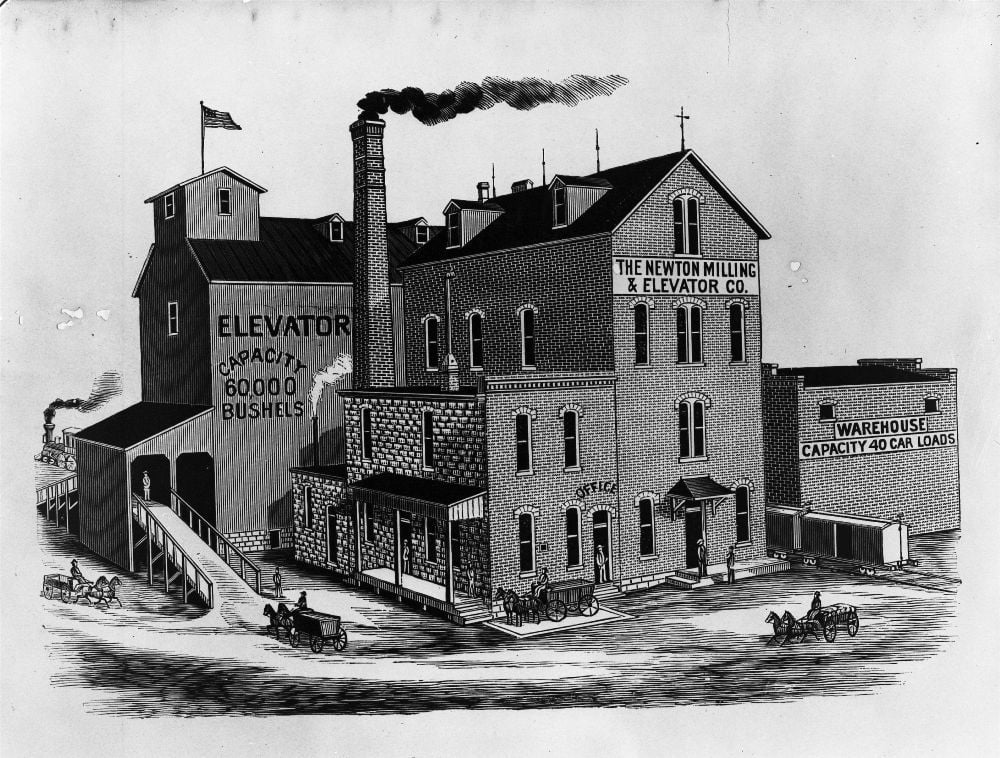
Newton, KS
The Old Mill Plaza in Newton, Kansas was built in 1879 as the Monarch Steam Mill. Bernhard Warkentin purchased the mill in 1886 to grind Turkey Red hard winter wheat, the variety that transformed Kansas grain agriculture. The mill ceased flour production in 1964 and was scheduled for demolition in 1973 before Lloyd and Jacqueline Smith bought it the night before to begin a multi-decade restoration.
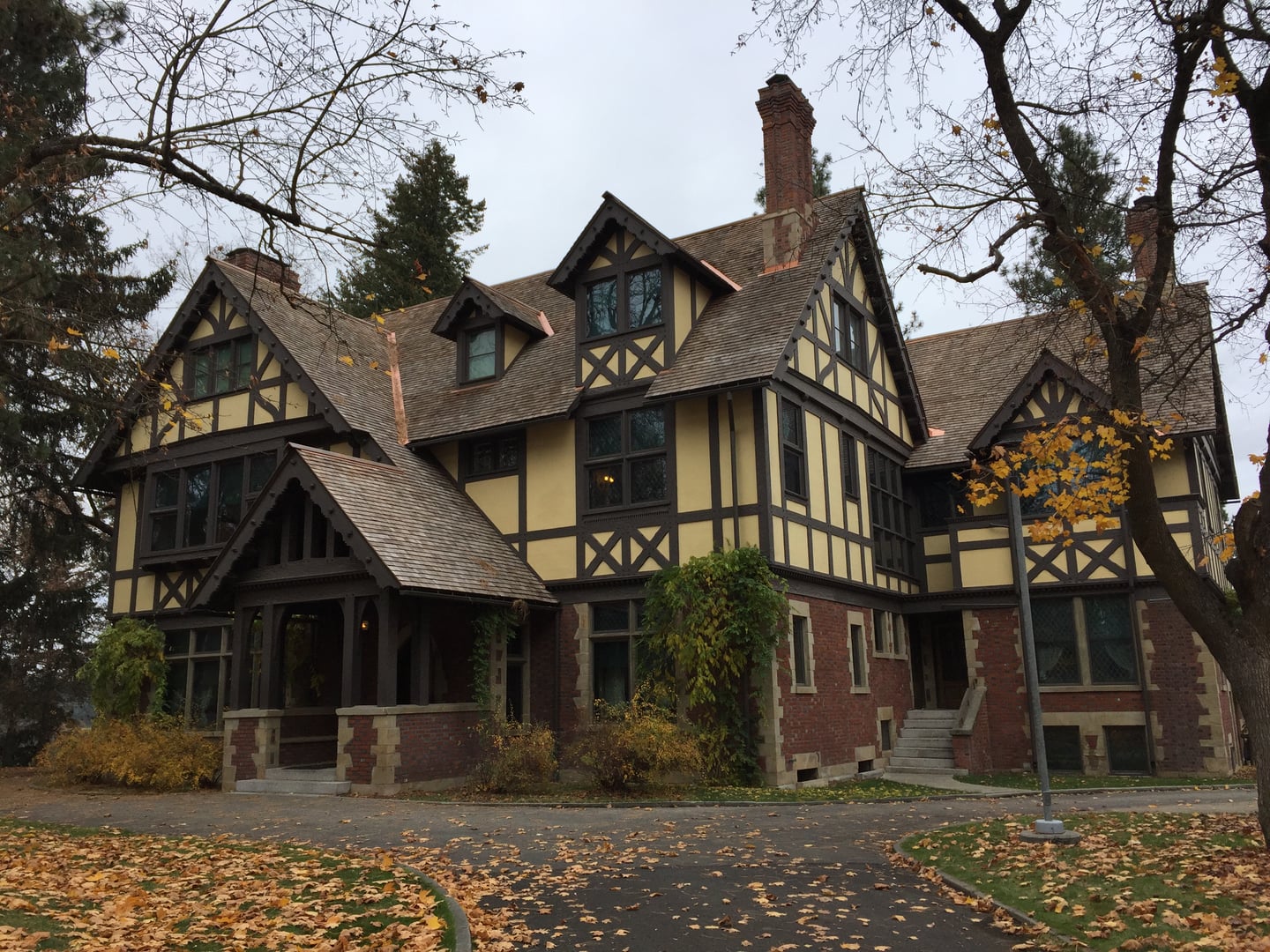
Spokane, WA
Built in 1898 by architect Kirtland Kelsey Cutter for Coeur d'Alene mining magnate Amasa B. Campbell, the Tudor Revival mansion in Spokane's Browne's Addition served as the family home of Campbell, his wife Grace, and their only daughter Helen until 1924. Helen donated the house to the Eastern Washington State Historical Society after Grace's death. Today it operates as a house museum within the Northwest Museum of Arts and Culture complex.
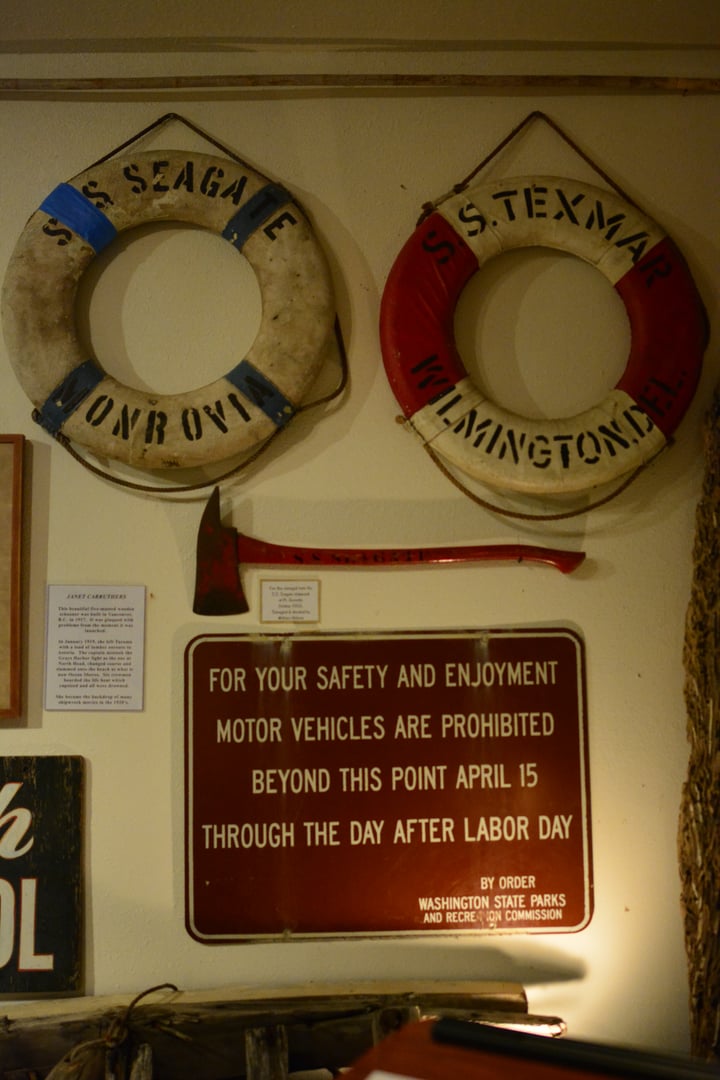
Moclips, WA
The Moclips-by-the-Sea Historical Society opened the Museum of the North Beach in 2003 in a 1940s former store building. It documents the history of the Grays Harbor North Beach, including the Northern Pacific Railway's western terminus at Moclips, logging, shipwrecks, and the Quinault Indian Nation.