Self-Guided Visit
Self-Guided Campbell House Tour
Explore the 1898 Tudor Revival mansion room by room at your own pace. Included with museum admission; house tours run Tuesday through Sunday, noon to 4 pm.
- Duration:
- 1 hr
HauntBound archive · catalog record
Reported phenomena, as catalogued
A 1898 Tudor Revival mining-baron mansion in Spokane's Browne's Addition, home to long-circulated murder myths debunked by a documented one-child family history.
2316 W 1st Ave, Spokane, WA 99201
Research updated September 2026
Age
All Ages
Cost
$$
Included with regular Northwest Museum of Arts and Culture admission; self-guided house tours run Tuesday–Sunday, noon–4 pm.
Access
Wheelchair OK
Historic 1898 mansion; main floor accessible, upper floors via stairs.
Equipment
Photos OK
Est. 1898 · Designed by Kirtland Kelsey Cutter, Spokane's most prominent Gilded Age architect · Listed on the National Register of Historic Places, 1974 · Built for Coeur d'Alene silver and lead mining magnate Amasa B. Campbell · Anchor property of the Northwest Museum of Arts and Culture complex
Amasa B. Campbell (1845–1912) arrived in the Inland Northwest in 1887, sent from Ohio by investors to evaluate mining prospects in Idaho's Coeur d'Alene district. He and partner John A. Finch put $25,000 into the Gem mine; the investment proved highly profitable. Campbell relocated to Spokane in 1898, the same year he commissioned architect Kirtland Kelsey Cutter to design a residence in the fashionable Browne's Addition neighborhood.
Cutter, who was then at the center of Spokane's Gilded Age building boom, designed the house in an Arts and Crafts Revival style that incorporated stucco, sandstone, brick, and heavy timber framing, along with a service wing and carriage house. Campbell died in 1912; his wife Grace remained in the house until her death in December 1924, when their only child Helen Campbell Powell donated the property to the Eastern Washington State Historical Society in her mother's memory.
The house served as a museum space for decades before the adjacent Northwest Museum of Arts and Culture was completed in 1960. A comprehensive restoration project ran from 1984 to 2001, covering interior refurbishment, electrical systems, and the carriage house. The house was listed on the National Register of Historic Places in 1974. It is now operated as an interpretive house museum, open Tuesday through Sunday with self-guided tours from noon to 4 pm, and occasional special programs including seasonal Dark History Tours.
Sources
The Campbell House's reputation in internet ghost-lore circles rests largely on a fabricated murder narrative: that multiple Campbell children were killed inside the house, with one kidnapped and never recovered. This story has circulated extensively on paranormal forums and aggregator sites. It is false. The Campbell family had one child, Helen Campbell Powell (1892–1964), who lived a full life and personally arranged the donation of the house to the historical society.
The museum addressed the myths directly through its Dark History Tour program, which presents the documented Campbell family history alongside an examination of why the false stories gained traction. KHQ News covered the series in 2022, noting that the real history of the family is, in the museum's view, compelling enough on its own.
The paranormal reports that have actually been documented are considerably less dramatic than the murder myth. Author Deborah Cuyle, in her book Ghosts and Legends of Spokane, reported that paranormal investigators recorded high EMF readings in multiple rooms of the house. Visitors and staff have described the sensation of being followed through the rooms and the perception of an unseen presence near the portrait of Amasa Campbell, which some visitors describe as appearing to track movement through the room. No specific identities have been reliably attributed to the phenomena.
Explore the 1898 Tudor Revival mansion room by room at your own pace. Included with museum admission; house tours run Tuesday through Sunday, noon to 4 pm.
Seasonal guided program offered by the museum that examines the real history of the Campbell family alongside the persistent myths that have attached themselves to the house over the decades.
Some links on this page may earn HauntBound a small commission when you book, at no extra cost to you. Our editorial picks are independent. Full disclosure
Every HauntBound history is researched from documented sources. We clearly separate verified historical fact from paranormal folklore.
Free Guide
10 verified stops, rated for families, mapped in order. Free.
One email to confirm, then the guide link. Unsubscribe anytime.
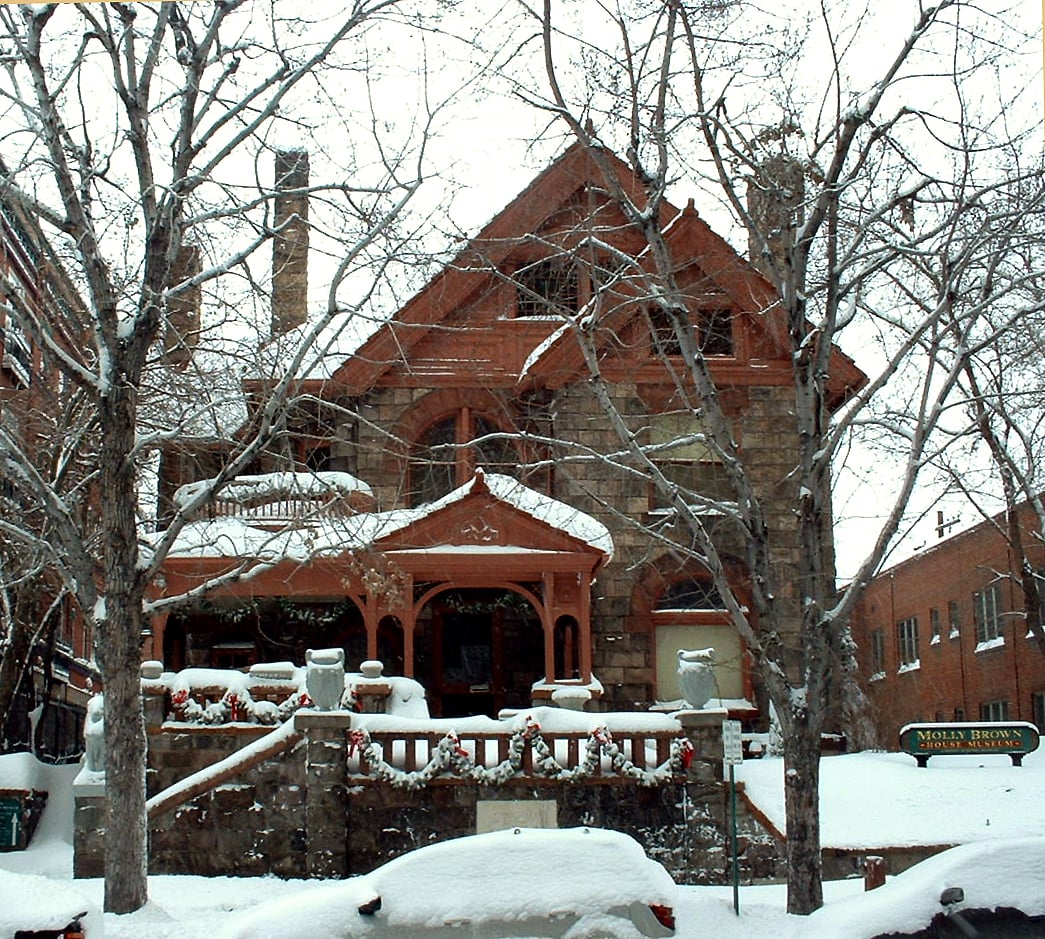
Denver, CO
The Molly Brown House in Denver was the home of philanthropist and Titanic survivor Margaret Brown from 1894 until her death in 1932. Designed by architect William A. Lang in 1889 in a mixed Queen Anne and Richardsonian Romanesque style, the house has operated as a museum under Historic Denver Inc. since 1971 after a public campaign saved it from demolition.
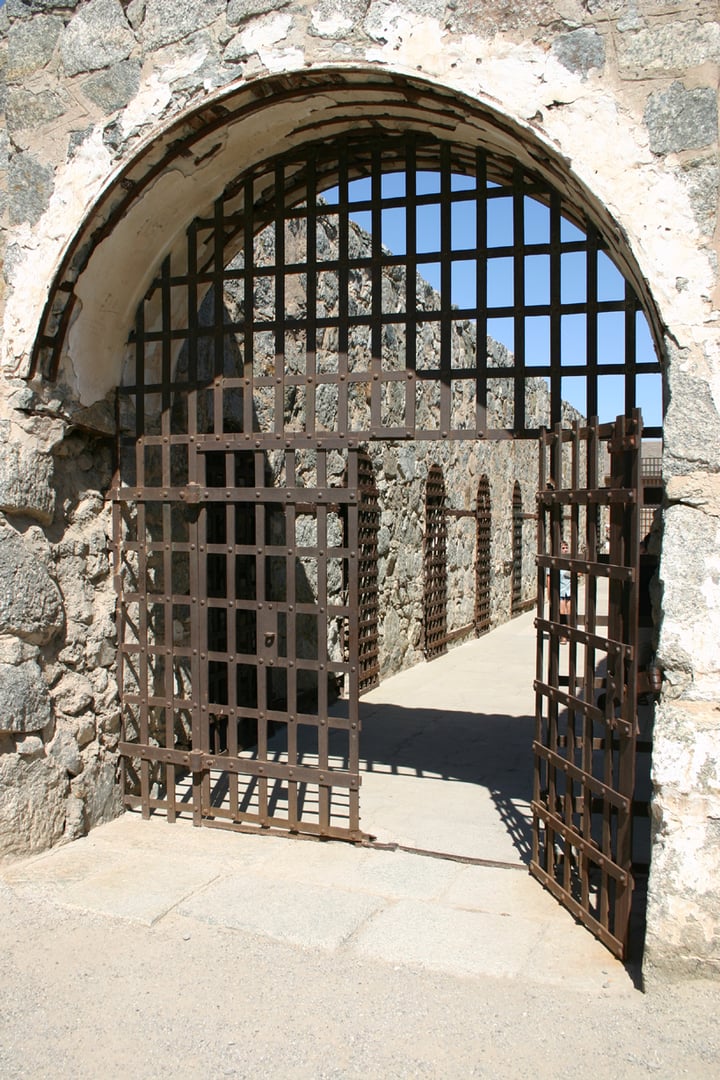
Yuma, AZ
Yuma Territorial Prison operated from 1876 to 1909 on a bluff overlooking the Colorado River in Yuma, Arizona. It held 3,069 prisoners during its 33-year operation, including 29 women. The facility became a state historic park and has been voted by USA Today readers as the Best Haunted Destination in the nation.
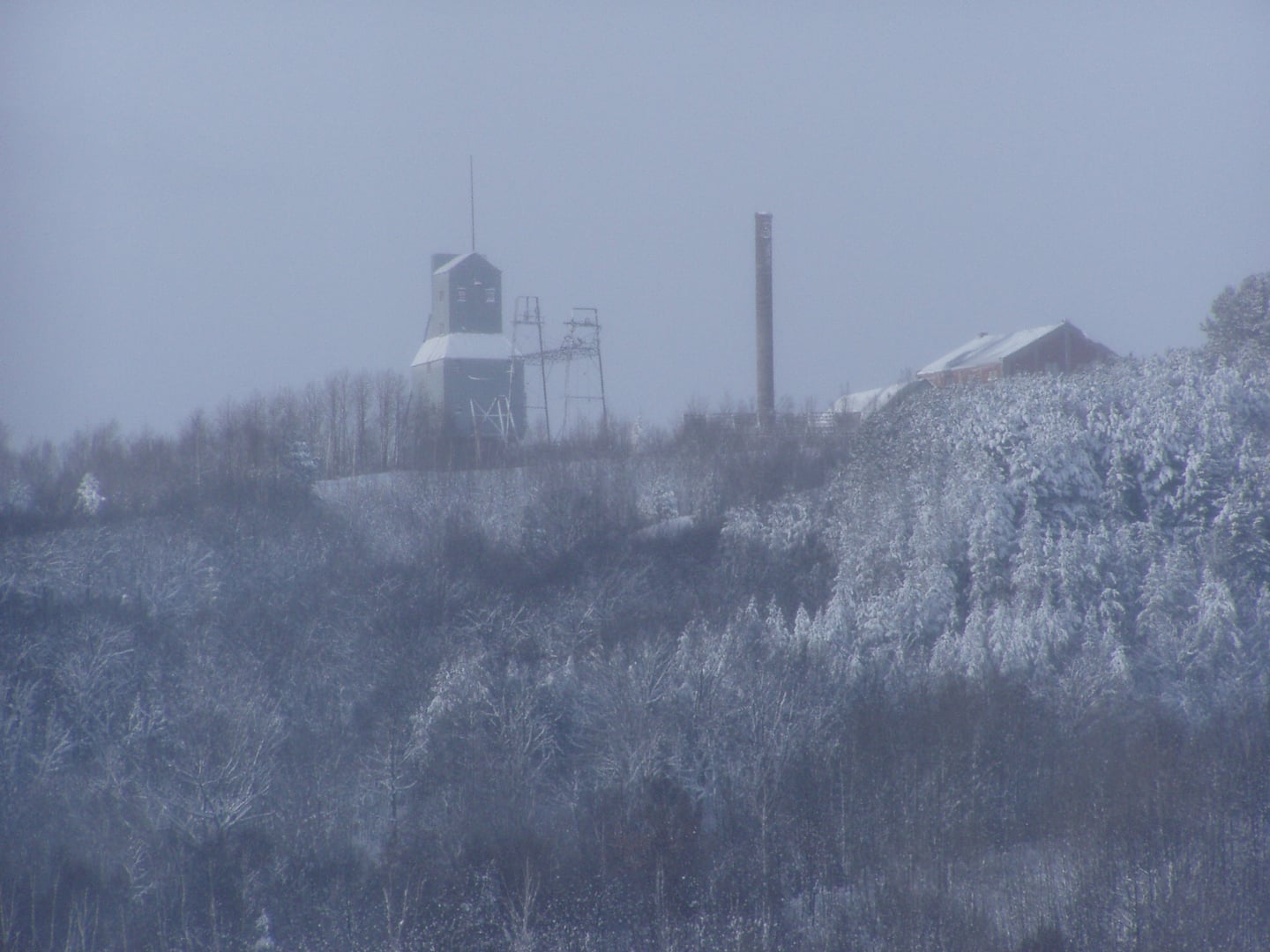
Hancock, MI
The Quincy Mining Company began extracting copper from the Keweenaw Peninsula in 1846 and operated continuously until 1945, producing nearly a billion pounds of copper. During that period, 253 workers died in documented underground accidents. At its deepest, the mine reached 9,000 feet — the deepest copper mine in the world at the time — and its No. 2 shaft hoist house is a National Historic Landmark.