Self-Guided Visit
Pike Place Market Self-Guided Visit
Walk the multi-level market and the lower levels (Down Under), including the wooden column near Princess Angeline's reported activity center.
HauntBound archive · catalog record
Reported phenomena, as catalogued
+ 1 further entry on record
Seattle's nine-acre public-market district, established in 1907 on the Elliott Bay waterfront, built on land once home to Princess Angeline (Kikisoblu), daughter of Chief Seattle, whose presence is among several reported spirits including longtime market director Arthur Goodwin.
85 Pike Street, Seattle, WA 98101
Research updated September 2026
Age
All Ages
Cost
Free
Free to enter; purchases at individual market stalls vary.
Access
Wheelchair OK
Most buildings and shops are accessible to strollers and wheelchairs. Elevator access is available from Alaskan Way and the waterfront, the Market parking garage, and Western Avenue near the Pike Market Hillclimb.
Equipment
Photos OK
Est. 1907 · Opened August 17, 1907 as one of the U.S.'s oldest continuously operating public farmers' markets · Sited above the former waterfront home of Princess Angeline (Kikisoblu), eldest daughter of Chief Seattle · Saved from urban-renewal demolition by a 1971 citizen-led ballot initiative · Listed on the National Register of Historic Places (1971) · Approximately 10 million annual visitors
Pike Place Market opened August 17, 1907 at the corner of First Avenue and Pike Street on the Elliott Bay bluff. The market was created by Seattle City Council ordinance in response to public outrage at price gouging by middlemen — particularly during a 1906-1907 spike in onion prices — and was designed from the start as a 'direct from producer to consumer' venue where farmers could sell directly to urban consumers.
Frank Goodwin, a property developer who owned the bluff site, recognized the market's commercial potential and worked with the City to develop the surrounding complex. Goodwin commissioned a planned series of arcades and buildings, including the iconic main arcade with its 'Public Market Center' clock and neon sign (added 1927). His nephew Arthur Goodwin (1887-c.1956) served as Market Director from 1918 to 1941, during which time he expanded the market's footprint, modernized its facilities, and authored Markets: Public and Private (1929), a standard reference on public-market management.
The site has deep indigenous history. Before settler colonization, the Elliott Bay shoreline was part of the homelands of the Duwamish people. Princess Angeline (Kikisoblu, c.1820-1896), the eldest daughter of Chief Seattle (Si'ahl), lived in a waterfront cabin near the future market site after the 1855 Treaty of Point Elliott displaced most Duwamish people from their traditional villages. She continued living in Seattle for over four decades, working as a laundress for settler families, and died at her cabin on May 31, 1896 — eleven years before the market opened above her former home.
The market declined through the mid-20th century and was slated for demolition under a 1960s urban-renewal plan. Architect Victor Steinbrueck led a citizen-led 'Save the Market' campaign that culminated in a successful 1971 ballot initiative protecting the market. The Pike Place Market Historical District was listed on the National Register of Historic Places that same year. Today the market is operated by the Pike Place Market Preservation and Development Authority and welcomes approximately 10 million visitors annually.
Sources
The Pike Place Market's most-cited haunting concerns Princess Angeline (Kikisoblu, c.1820-1896), the eldest surviving daughter of Chief Seattle. The market complex was built atop the waterfront site of her cabin, which she occupied for decades after the 1855 Treaty of Point Elliott. According to Legends of America, Axios Seattle, and Seattle Terrors coverage, her hunched apparition — described as small, stooped, and dressed in dark period clothing — has been reported most frequently in the lower levels of the market (the 'Down Under') near a rough wooden column said to emit cold air. The Spokesman-Review's 2022 feature placed her among the market's most enduring ghost stories.
This venue's lore is treated with editorial care given the indigenous-displacement context. Princess Angeline was a real historical figure whose final decades were shaped by the violent displacement of the Duwamish people from their homelands. The ghost narrative here is framed as a story about presence on ancestral land rather than as a sensationalized 'curse' or 'indigenous-burial' trope. The Duwamish Tribe remains a living community in the Seattle region.
A second well-cited spirit is Arthur Goodwin (1887-c.1956), the market's director from 1918 to 1941, whose silhouette has been reported peering down from the windows of what is now the Goodwin Library on the upper level — a meeting room named in his honor. The 'Fat Lady Barber,' identified in ghost-tour material as a barber who worked the market in the early 20th century and hummed while she cut hair, is reported on the lower levels with humming heard near her former chair location. A small-boy spirit is associated by ghost-tour lore with developer Frank Goodwin's nephew or a related figure; this attribution is less well-anchored.
Reported phenomena across the market include unexplained cold spots, hummed melodies, footsteps in empty corridors after closing, and partial apparitions. Multiple ghost-tour operators run Pike Place Market routes nightly.
Notable Entities
Media Appearances
Walk the multi-level market and the lower levels (Down Under), including the wooden column near Princess Angeline's reported activity center.
Multiple operators run Pike Place Market ghost tours after market hours, including Seattle Terrors, Market Ghost Tours, and Ghost City Tours.
Some links on this page may earn HauntBound a small commission when you book, at no extra cost to you. Our editorial picks are independent. Full disclosure
This Seattle tour includes Pike Place Market on its route.
Every HauntBound history is researched from documented sources. We clearly separate verified historical fact from paranormal folklore.
Free Guide
10 verified stops, rated for families, mapped in order. Free.
One email to confirm, then the guide link. Unsubscribe anytime.
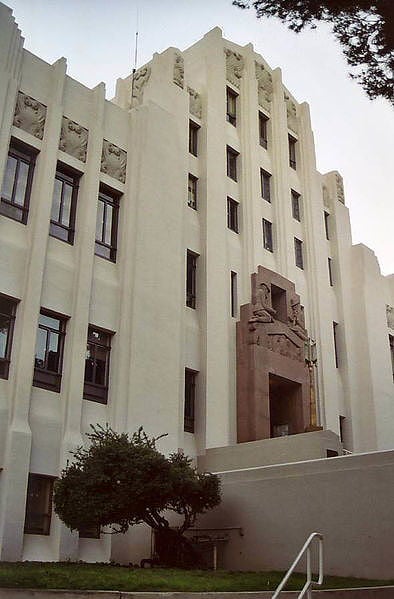
Bisbee, AZ
The Cochise County Courthouse opened August 2, 1931, designed by Tucson architect Roy Place in the Southwest regional variation of Art Deco. The Phelps Dodge Corporation donated the Quality Hill land after the county seat moved from Tombstone to Bisbee in 1929. The building is a contributing property to the Bisbee Historic District, which was listed on the National Register of Historic Places in 1980.
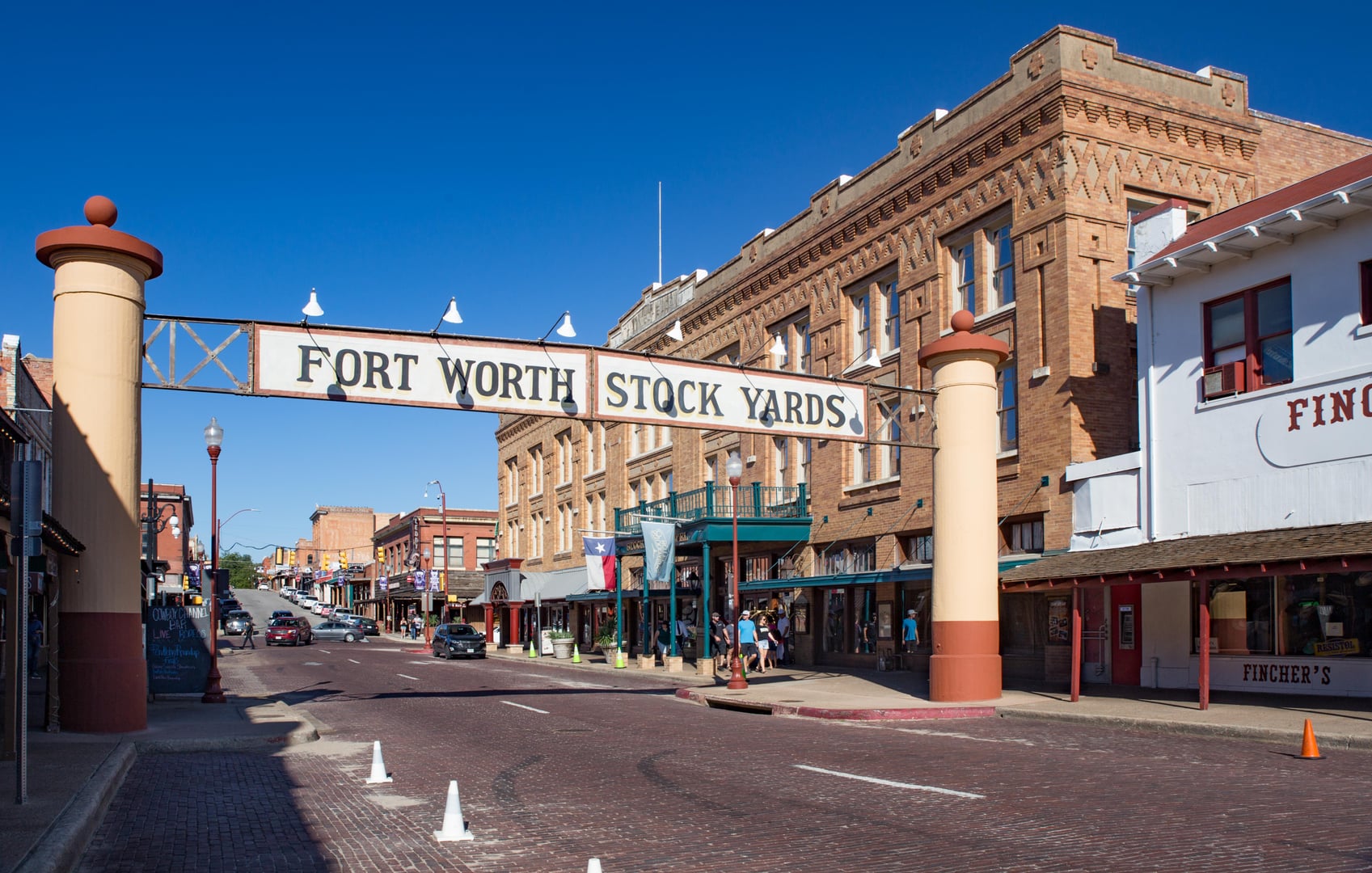
Fort Worth, TX
The Fort Worth Stockyards National Historic District developed around the 1902 establishment of the Fort Worth Stockyards Company on the Trinity River north of downtown. At peak operation in the early 20th century, the facility processed millions of cattle and hogs annually, making Fort Worth one of the largest livestock markets in the Southwest.
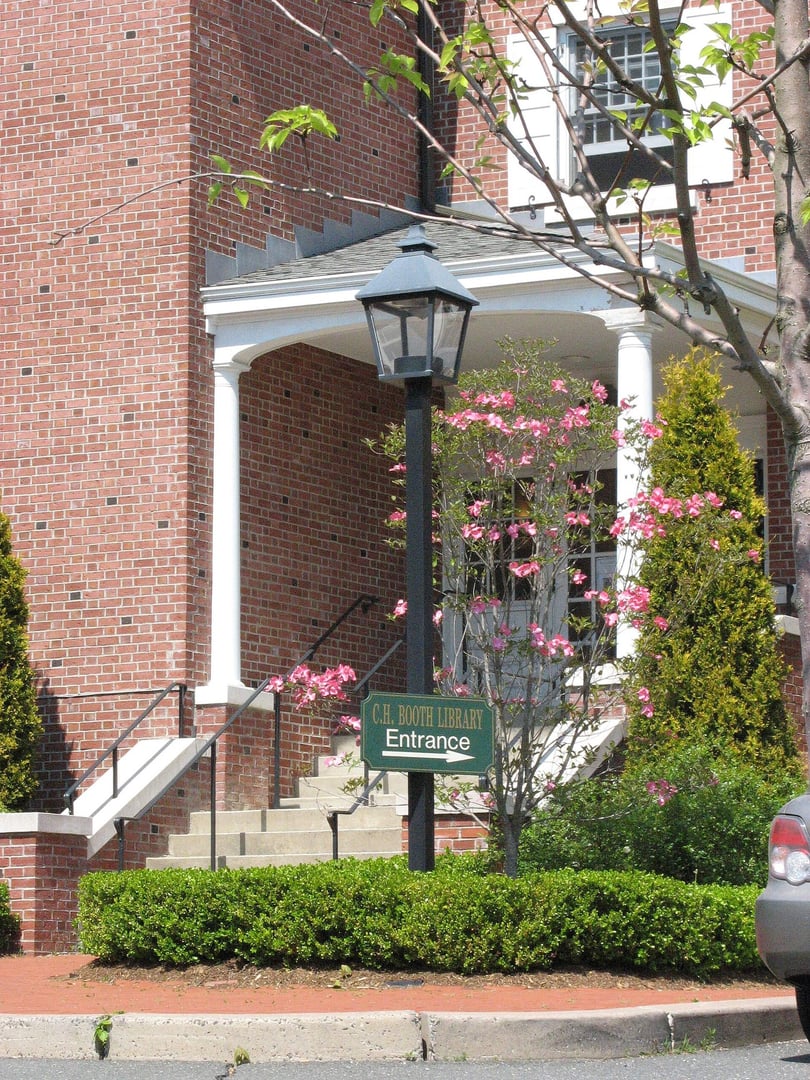
Newtown, CT
The Cyrenius H. Booth Library opened on December 17, 1932 as the public library of Newtown, Connecticut. It was a posthumous gift of Mary Elizabeth Hawley and was named for her maternal grandfather, Dr. Cyrenius Hard Booth, who practiced medicine in Newtown from 1820 until his death in 1871. The building was designed by Philip Sutherland in a residential Main Street style and was completely fireproof. Hawley also left a quarter-million-dollar trust fund to generate operating income for the library.