Drive-By
Exterior Viewing
View the 1872 Victorian from public sidewalks. The home is part of the Port Townsend Historic District but is a private residence — respect the owners' privacy.
- Duration:
- 10 min
HauntBound archive · catalog record
Reported phenomena — as catalogued
An 1872 Victorian residence in Port Townsend's Historic District purchased by Colonel Robert Cosby Hill in 1884; previously a B&B, now a private residence, with lore of cigar smoke and phantom piano music.
611 Polk St, Port Townsend, WA 98368
Research updated May 2026
Age
All Ages
Cost
Free
Private residence; exterior viewing only from public sidewalks.
Access
Wheelchair OK
Exterior viewing from public sidewalks; standard residential street.
Equipment
Photos OK
Est. 1872 · Contributing property to the Port Townsend Historic District (NHL 1977) · Predates the 1889 Port Townsend Victorian boom · Owned continuously by the Hill family from 1884 until 1980
Holly Hill House at 611 Polk Street is a Victorian residence built in 1872, predating the speculative 1889 boom that produced most of Port Townsend's better-known landmarks. In 1884 the home was purchased by Colonel Robert Cosby Hill, a veteran and Port Townsend civic figure, and his wife Elizabeth. The Hill family retained ownership of the home until 1980, an unusually long single-family tenure for a Port Townsend historic property.
The house is a contributing property to the Port Townsend Historic District, listed on the National Register of Historic Places in 1976 and designated a National Historic Landmark in 1977. Architecturally, it is described as a smaller Victorian with characteristic period detailing.
For several decades following the Hill family's sale, Holly Hill House operated as a bed and breakfast inn. As of recent reporting from Gig Harbor Now and WA Haunted Houses, the property has reverted to use as a private residence. Visitors should not approach the building beyond public sidewalks.
Sources
According to WA Haunted Houses, Haunted Places, and reporting in Gig Harbor Now, ghost lore at Holly Hill House centers on the Hill family. Colonel Robert Hill is said to remain in his former upstairs bedroom, accompanied by the lingering smell of cigar smoke drifting into the hallway. His brother William Hill, who according to local accounts died of a stroke in the parlor, is associated with that ground-floor room.
Guests during the property's B&B era reported phantom piano music despite no piano being present in the building, and a male apparition in old-fashioned clothing seen on the staircase. These accounts predate the property's reversion to private residence and are no longer accessible for public investigation.
Because the home is now a private residence, current paranormal experiences cannot be solicited. The lore is best treated as historical / journalistic record rather than as a live tourism attraction.
This venue is a private residence and not open to the public — appreciate the Victorian exterior from the public sidewalk on Polk Street only, and respect the residents' privacy.
Notable Entities
View the 1872 Victorian from public sidewalks. The home is part of the Port Townsend Historic District but is a private residence — respect the owners' privacy.
Some links on this page may earn HauntBound a small commission when you book, at no extra cost to you. Our editorial picks are independent. Full disclosure
Every HauntBound history is researched from documented sources. We clearly separate verified historical fact from paranormal folklore.
Free Guide
10 verified stops, rated for families, mapped in order. Free.
One email to confirm, then the guide link. Unsubscribe anytime.
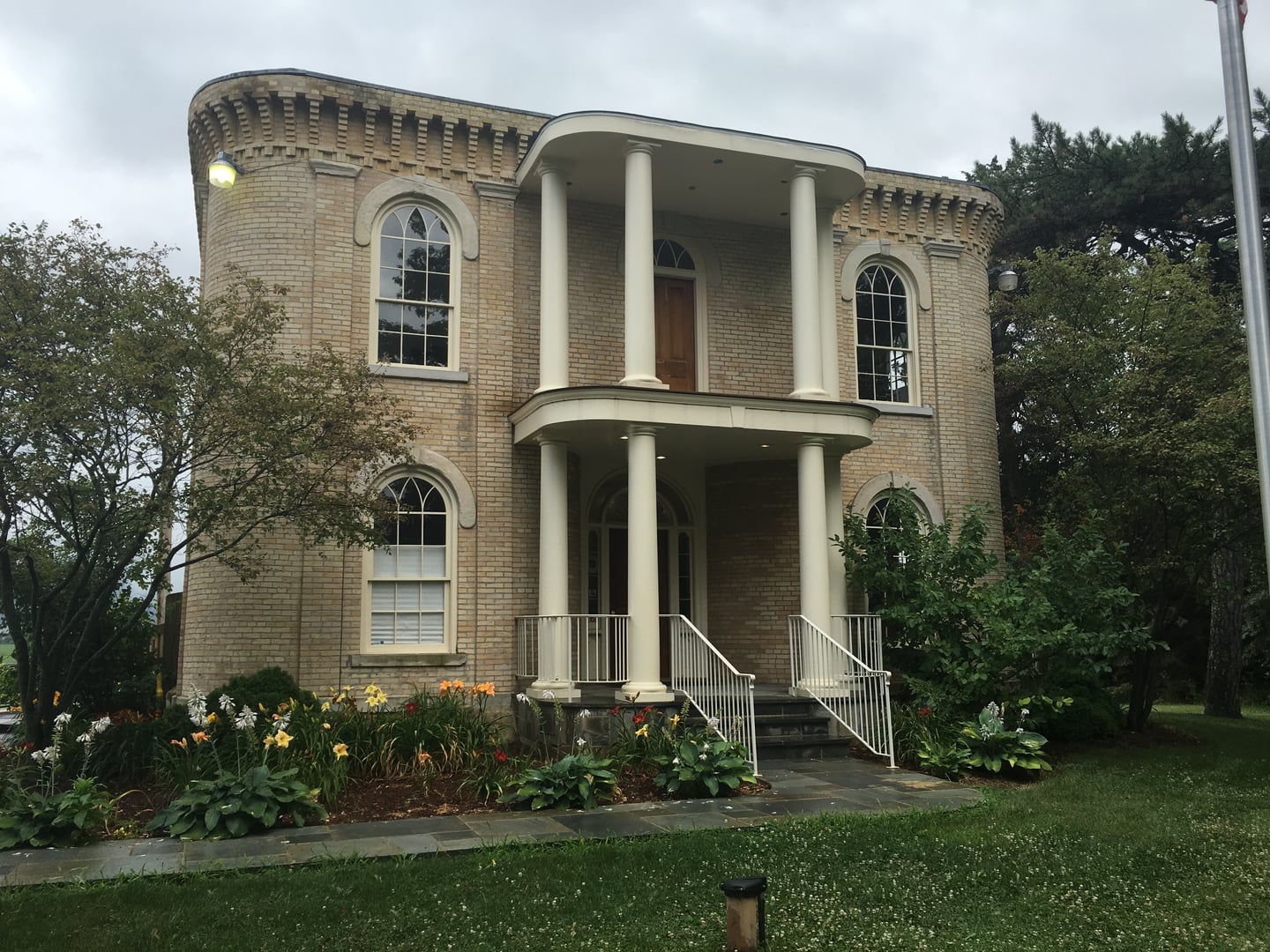
Bull Valley, IL
The George Stickney House is an 1865 stucco-over-frame mansion in Bull Valley, Illinois, built for spiritualists George and Sylvia Stickney. The Stickneys, both practicing mediums, are said to have designed the interior without right angles to ease the movement of spirits during seances. The building has served as the Bull Valley Police Department since 1985 and has been listed on the National Register of Historic Places since 1979.
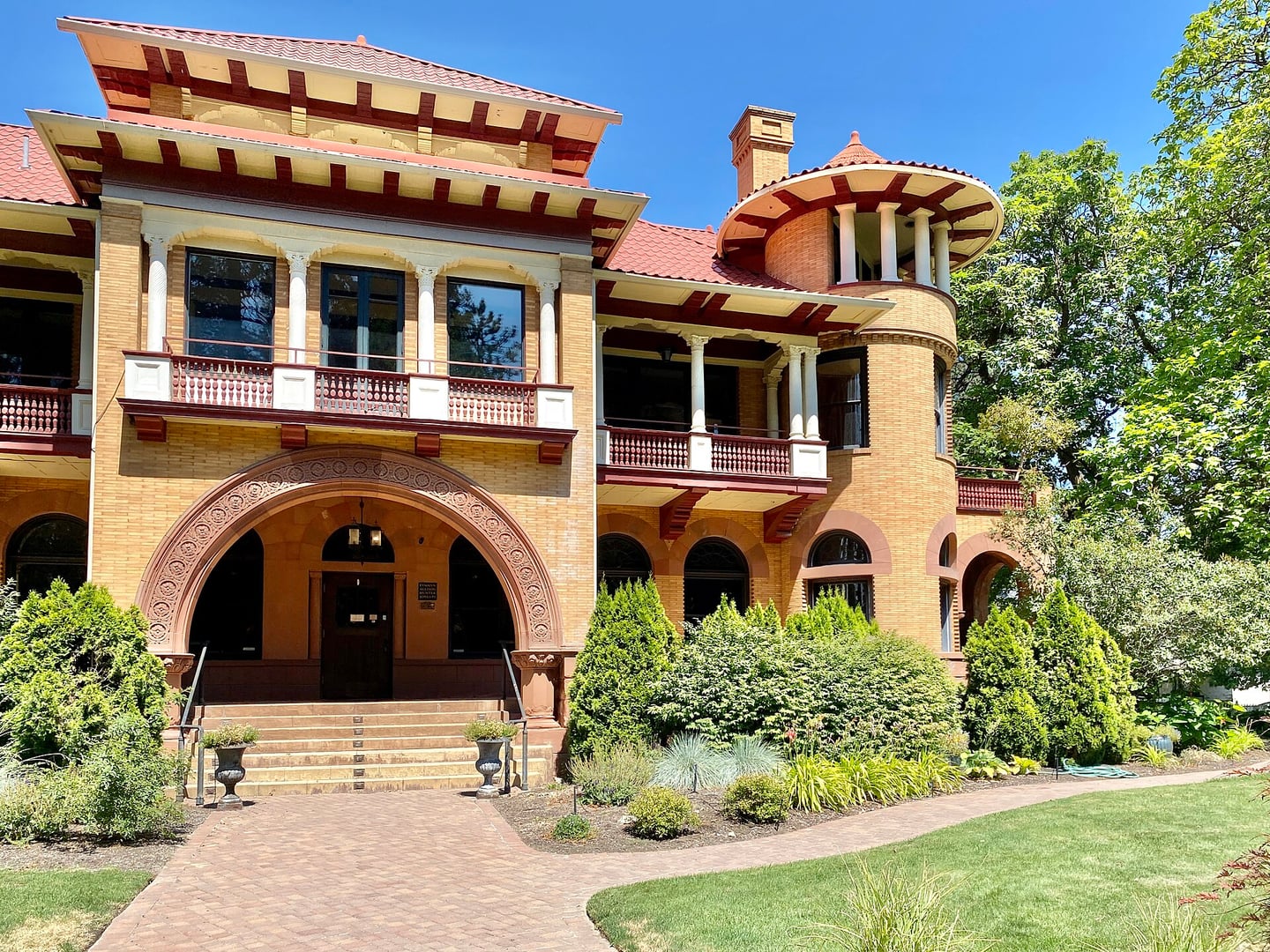
Spokane, WA
Designed by Kirtland Cutter for Irish-born copper-mining magnate Patrick 'Patsy' Clark, the 12,000-square-foot mansion was completed in 1898 in Spokane's Browne's Addition. Listed on the National Register of Historic Places as 'Clark Mansion' in 1975. After eras as a residence, restaurant, and event venue, it was rescued from deterioration in 2002 by a law firm.
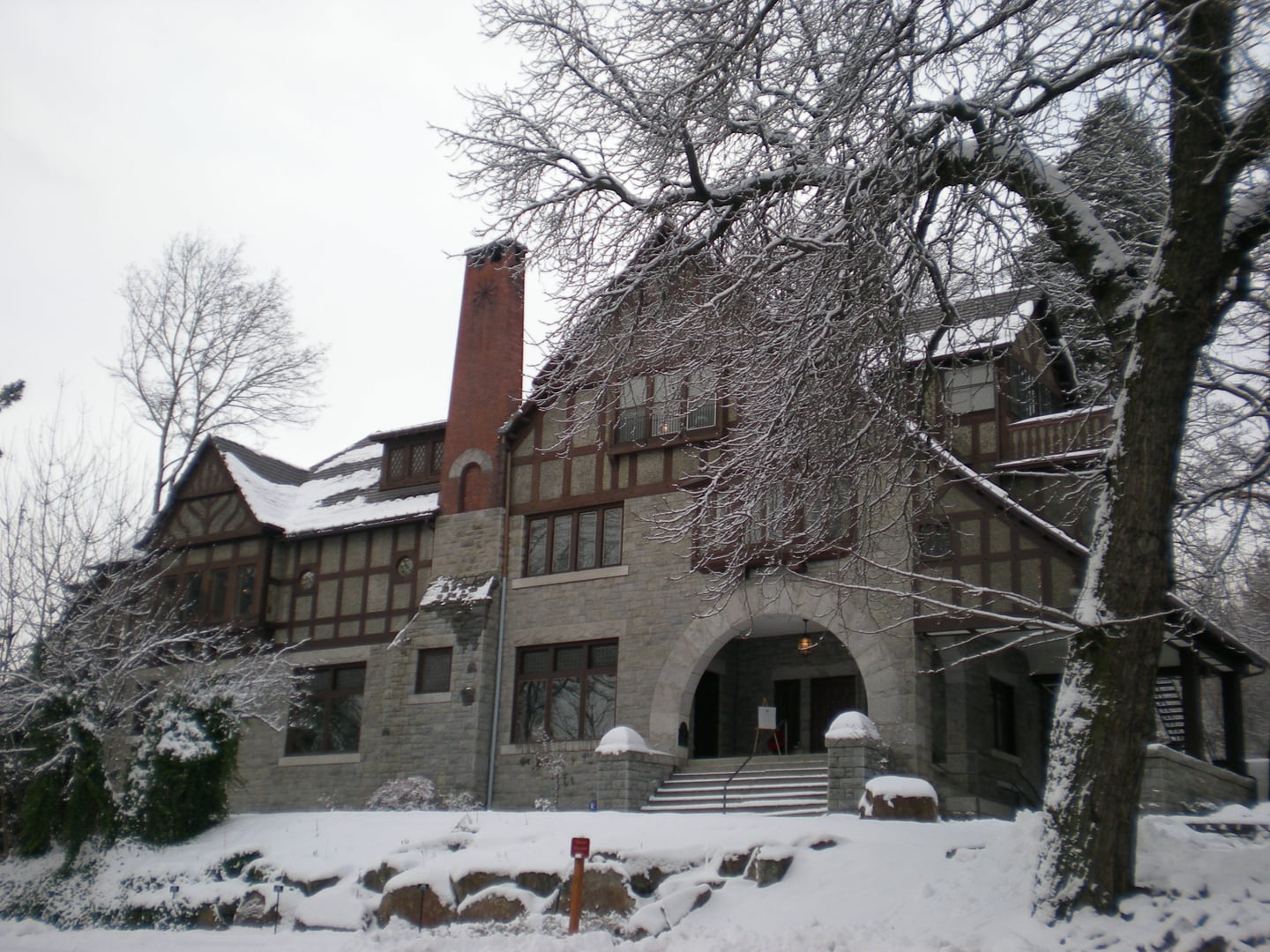
Spokane, WA
Architect Kirtland Cutter designed the Tudor Revival Glover Mansion in 1888 for James N. Glover, the developer credited as the founder of Spokane. The house survived the 1889 fire, later served as a church, and is now an events venue; it joined the National Register of Historic Places in 1973.