Drive-By
Exterior Viewing on Sprague Avenue
View the restored Art Deco facade and marquee from Sprague Avenue. The exterior is a contributing landmark in downtown Spokane and visible at any hour.
- Duration:
- 15 min
HauntBound archive · catalog record
Reported phenomena, as catalogued
Spokane's restored 1931 Art Deco movie palace, now the Spokane Symphony's home, with a restoration-era ghost the crews named Otis.
1001 W Sprague Ave, Spokane, WA 99201
Research updated August 2026
Age
All Ages
Cost
$$
Ticketed performances; exterior viewable any time. Ticket prices vary by event.
Access
Wheelchair OK
Accessible main floor; balcony reached by stairs.
Equipment
Photos OK
Est. 1931 · Art Deco movie palace designed by Robert C. Reamer, opened 1931 · Listed on the National Register of Historic Places, 2001 · Restored 2007 in a $31 million Save the Fox campaign · Permanent home of the Spokane Symphony; renamed for Martin Woldson after Myrtle Woldson's gift
The Fox Theater opened on September 3, 1931, at the corner of Sprague Avenue and Monroe Street in downtown Spokane. Designed by architect Robert C. Reamer with associate architects Whitehouse & Price and interior designer Anthony Heinsbergen, it was an Art Deco movie palace built to handle both motion pictures and live stage acts, with a full proscenium stage, orchestra pit, and a Wurlitzer pipe organ.
For decades the Fox operated as a film house. By the late twentieth century it had declined into a second-run theater and faced demolition. A community campaign, Save the Fox, raised funds for a full restoration; the project cost roughly $31 million and was completed in November 2007. The Fox reopened as the permanent home of the Spokane Symphony and a regional performing-arts venue.
The theater was renamed the Martin Woldson Theater at the Fox in honor of railroad pioneer Martin Woldson, after his daughter, Spokane philanthropist Myrtle Woldson, contributed $3 million toward the renovation along with additional gifts and a matching challenge to the campaign. The building was added to the National Register of Historic Places on November 30, 2001.
Sources
The Fox's ghost lore centers on a figure the restoration crews dubbed Otis. As the story circulates through Spokane ghost tours and the Spokane Public Library's haunted walking tour, construction workers during the early-2000s rebuild blamed Otis for vanishing tools, misplaced equipment, and gear that failed without explanation. Across the theater's lives as a live venue, second-run cinema, and symphony hall, the tale persists, usually framed as a man who died in a fall inside the building.
Like most theater hauntings, the Otis story is undocumented at its core. No death record, identity, or contemporary account has surfaced to confirm a fatal accident, and the name itself appears to have originated with the construction crew rather than any historical roster. The Fox's own histories and the National Register documentation make no mention of a ghost.
Visitors encounter the legend mainly through guided ghost tours rather than at the venue itself, which presents as a polished concert hall. The Otis story is best read as restoration-era crew folklore attached to a genuinely historic building.
Notable Entities
View the restored Art Deco facade and marquee from Sprague Avenue. The exterior is a contributing landmark in downtown Spokane and visible at any hour.
Attend a Spokane Symphony concert or other ticketed event to experience the restored 1931 auditorium, with its Art Deco detailing, balcony, and Anthony Heinsbergen interior.
Some links on this page may earn HauntBound a small commission when you book, at no extra cost to you. Our editorial picks are independent. Full disclosure
Every HauntBound history is researched from documented sources. We clearly separate verified historical fact from paranormal folklore.
Free Guide
10 verified stops, rated for families, mapped in order. Free.
One email to confirm, then the guide link. Unsubscribe anytime.
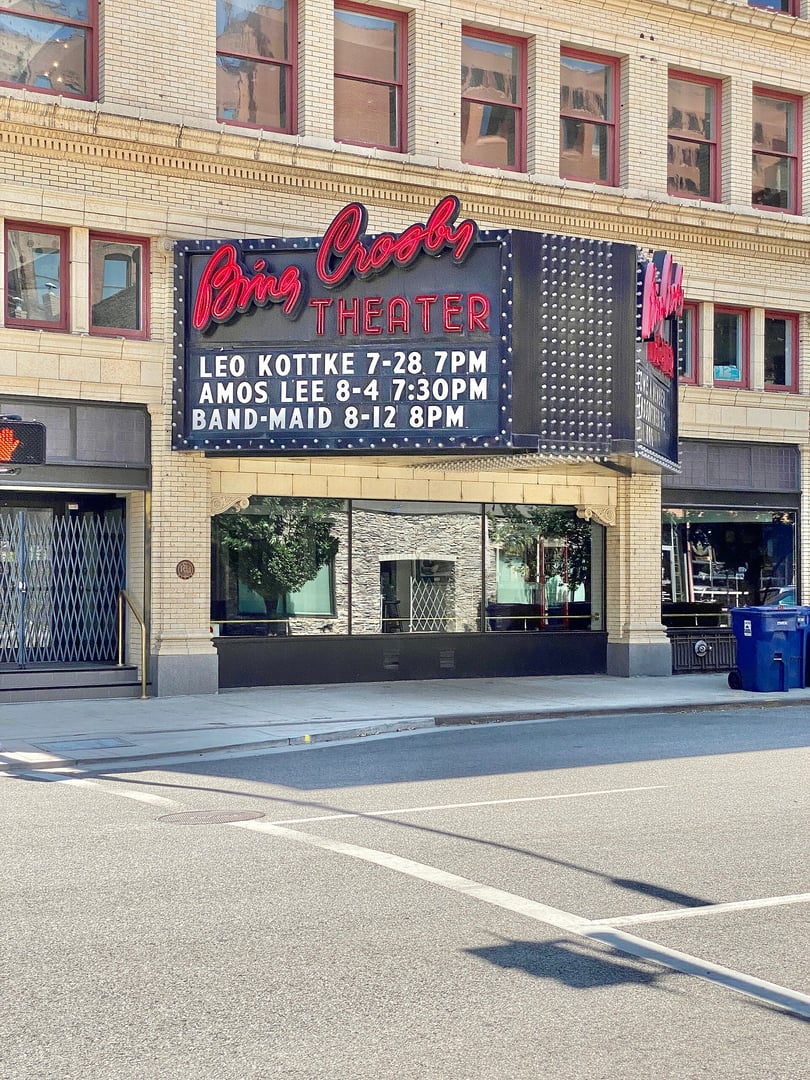
Spokane, WA
Built 1914 and opened February 22, 1915 as the Clemmer Theatre, this 800-seat venue was designed by Seattle architect Edwin W. Houghton in a restrained Neo-Classical style. Operated under names Audian (1930), State (1932), Met (1988), and Bing Crosby Theater (2006); listed on the National Register of Historic Places in 1988.
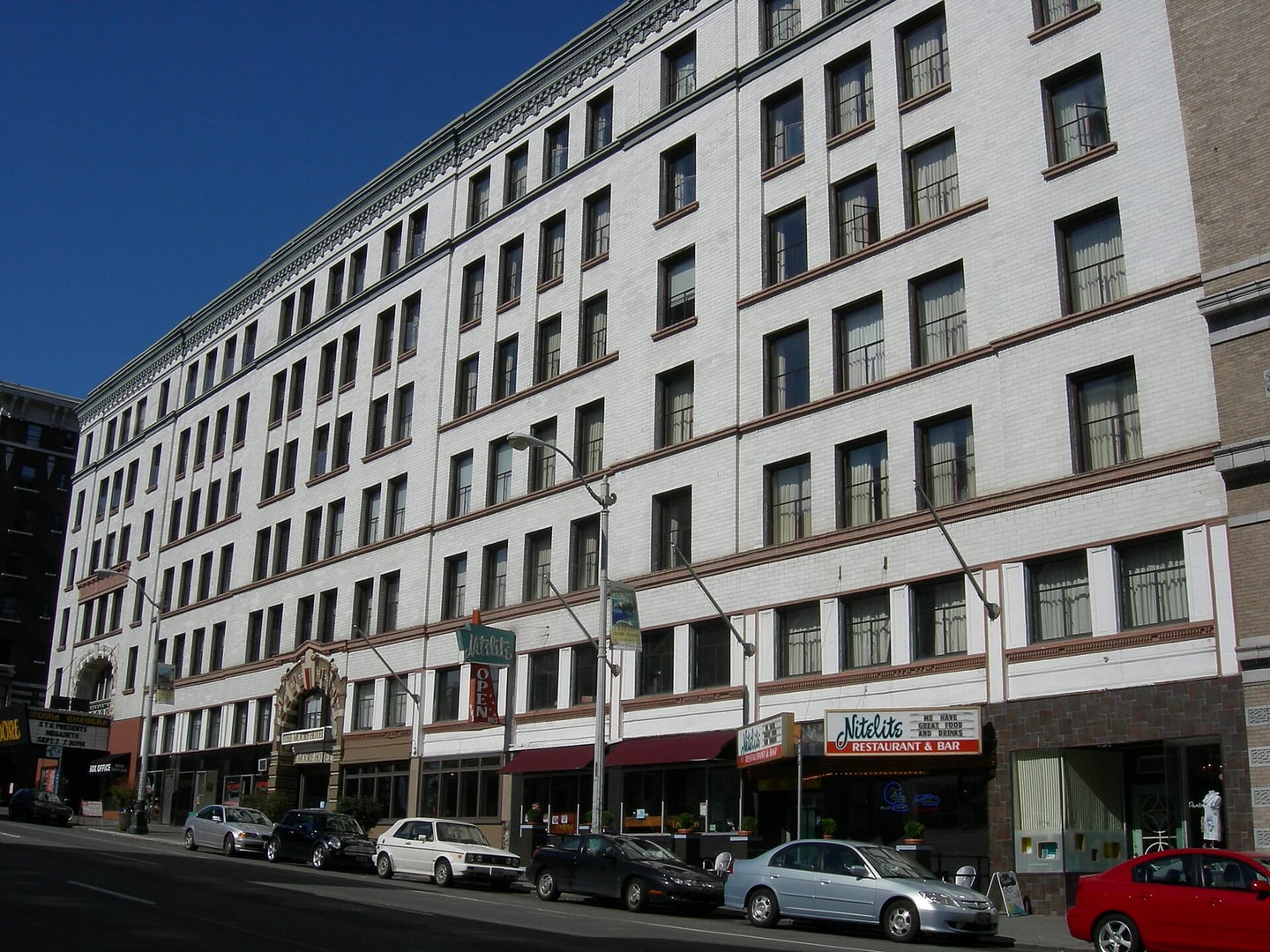
Seattle, WA
Built in 1907 by Seattle real-estate developer James A. Moore and designed by E.W. Houghton, the Moore opened on December 28, 1907, with 2,436 seats — the largest theater in the city at the time. It is Seattle's oldest still-operating theater and was added to the National Register of Historic Places in 1974. Today it is operated as a live-performance venue by the non-profit Seattle Theatre Group.
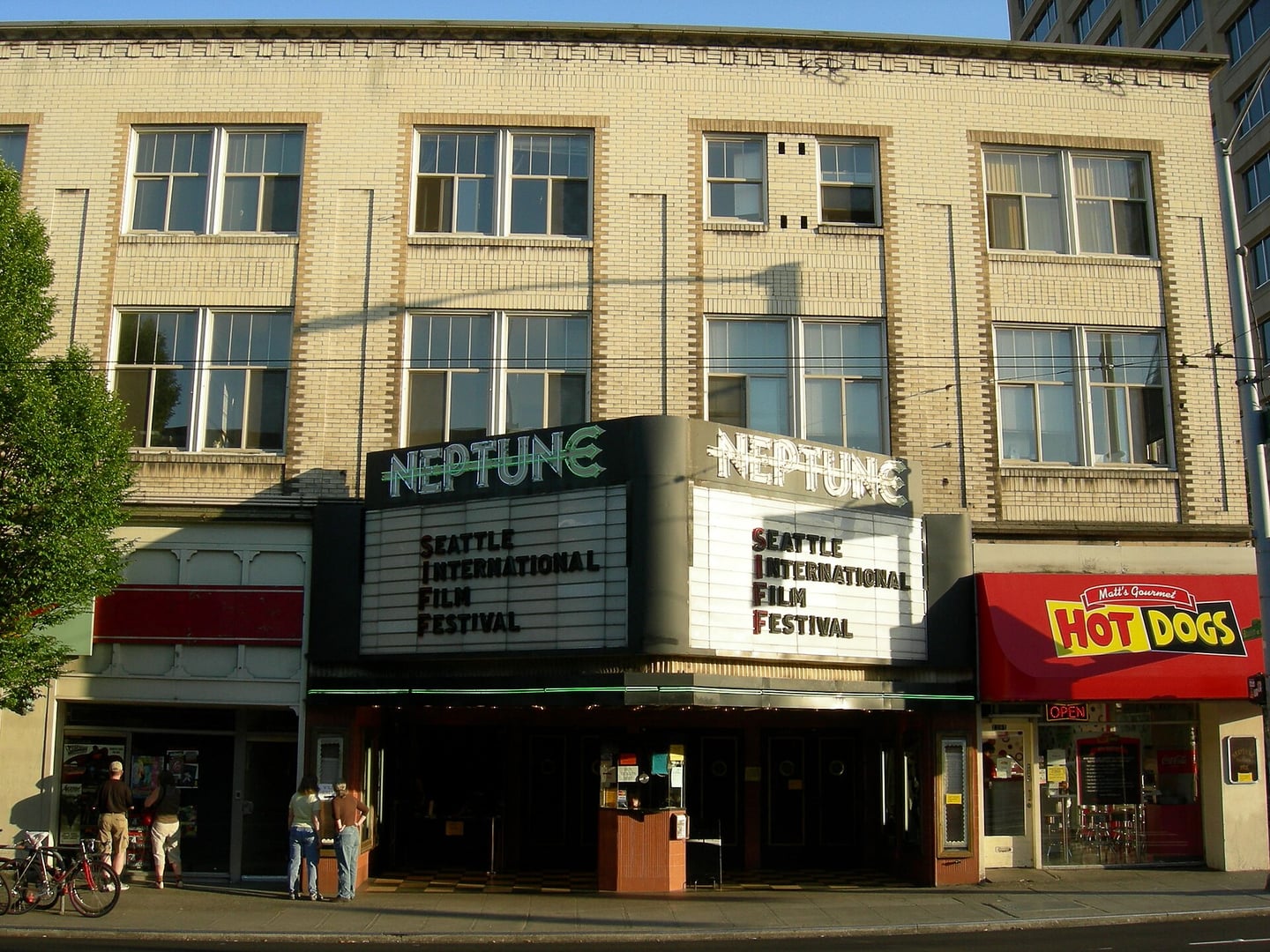
Seattle, WA
The Neptune opened November 16, 1921 as a 1,000-seat movie palace in Seattle's University District. Designed by Kentucky-born architect Henderson Ryan with a King Neptune nautical motif, it was originally operated by the Puritan Theatre Company. After decades under various operators including Landmark Theatres (1981-2010), Seattle Theatre Group acquired and renovated it in 2011 as a live-performance venue.