Drive-By
Exterior Viewing on Sprague Avenue
Walk Sprague Avenue to view the 1915 Neo-Classical theater facade; the building is a contributing property in the Spokane historic core.
- Duration:
- 15 min
HauntBound archive · catalog record
Reported phenomena, as catalogued
An 800-seat 1915 Neo-Classical theater designed by Edwin W. Houghton, now restored as the Bing Crosby Theater, with long-circulated lore of a balcony ghost from the building's Clemmer-era past.
901 W Sprague Ave, Spokane, WA 99201
Research updated June 2026
Age
All Ages
Cost
$$
Ticketed events; lobby viewable during box office hours.
Access
Wheelchair OK
Main floor accessible; balcony reached via stairs.
Equipment
Photos OK
Est. 1915 · Designed by Edwin W. Houghton, leading Pacific Northwest theater architect · Listed on the National Register of Historic Places, 1988 · Continuously operated as a theater for more than a century · Renamed Bing Crosby Theater 2006, honoring the Spokane-raised entertainer
The Bing Crosby Theater began life as the Clemmer Theatre, built in 1914 by Spokane mining magnate August Paulsen and opened on February 22, 1915. The building was designed by Edwin Walker Houghton (1856-1927), an English-born Seattle architect who developed a specialty in theatre design across the Pacific Northwest. The 800-seat house was named for its first lessee, Dr. Howard S. Clemmer.
Originally configured for silent film, the theater boasted a 4-manual, 32-rank Kimball pipe organ. It went through several name changes over the twentieth century, operating as the Audian beginning in 1930, the State from 1932, and the Met from 1988. In 2006 the theater was renamed the Bing Crosby Theater in honor of the singer, who grew up in Spokane and attended Gonzaga University.
The building was listed on the National Register of Historic Places in 1988 and continues to operate as a live performance venue for concerts, comedy, film, and community events. The auditorium retains its single-balcony configuration.
Sources
Per the Spokesman-Review's 2022 'Is it haunted?' feature, KREM's 'Haunted Spokane: ghostly Bing Crosby Theater' segment, and the Spokane Public Library's haunted walking-tour PDF, the theater's primary ghost story dates to the Clemmer era. The narrative describes a young woman — variously identified as a Lewis and Clark High School student — who arrived at the theater to elope to Seattle with her young lover. When he failed to appear, she fell or jumped from the balcony; the cause of death is reported variously as a fall or a heart attack. Reports describe a female figure pacing the balcony, said to still be waiting.
A second commonly-cited spirit is identified as a former stage manager (or in some sources a janitor) who is said to have died of a heart attack while resting on an ottoman backstage. Patrons and tour participants have reported assorted phenomena consistent with the lore.
The theater's executive director told the Spokesman-Review she was not sure why the venue is on the haunted walking tour but acknowledged that visitors and staff report 'all kinds of different energies.' Notably, contemporary reporting flags that the lore is rarely accompanied by primary-source documentation — neither the woman's identity nor a corroborating death record have surfaced in published accounts, which is why this entry is classified as community-folkloric rather than historically documented.
Notable Entities
Walk Sprague Avenue to view the 1915 Neo-Classical theater facade; the building is a contributing property in the Spokane historic core.
Attend a ticketed concert, comedy show, or film screening to experience the auditorium, balcony, and lobby.
Some links on this page may earn HauntBound a small commission when you book, at no extra cost to you. Our editorial picks are independent. Full disclosure
Every HauntBound history is researched from documented sources. We clearly separate verified historical fact from paranormal folklore.
Free Guide
10 verified stops, rated for families, mapped in order. Free.
One email to confirm, then the guide link. Unsubscribe anytime.
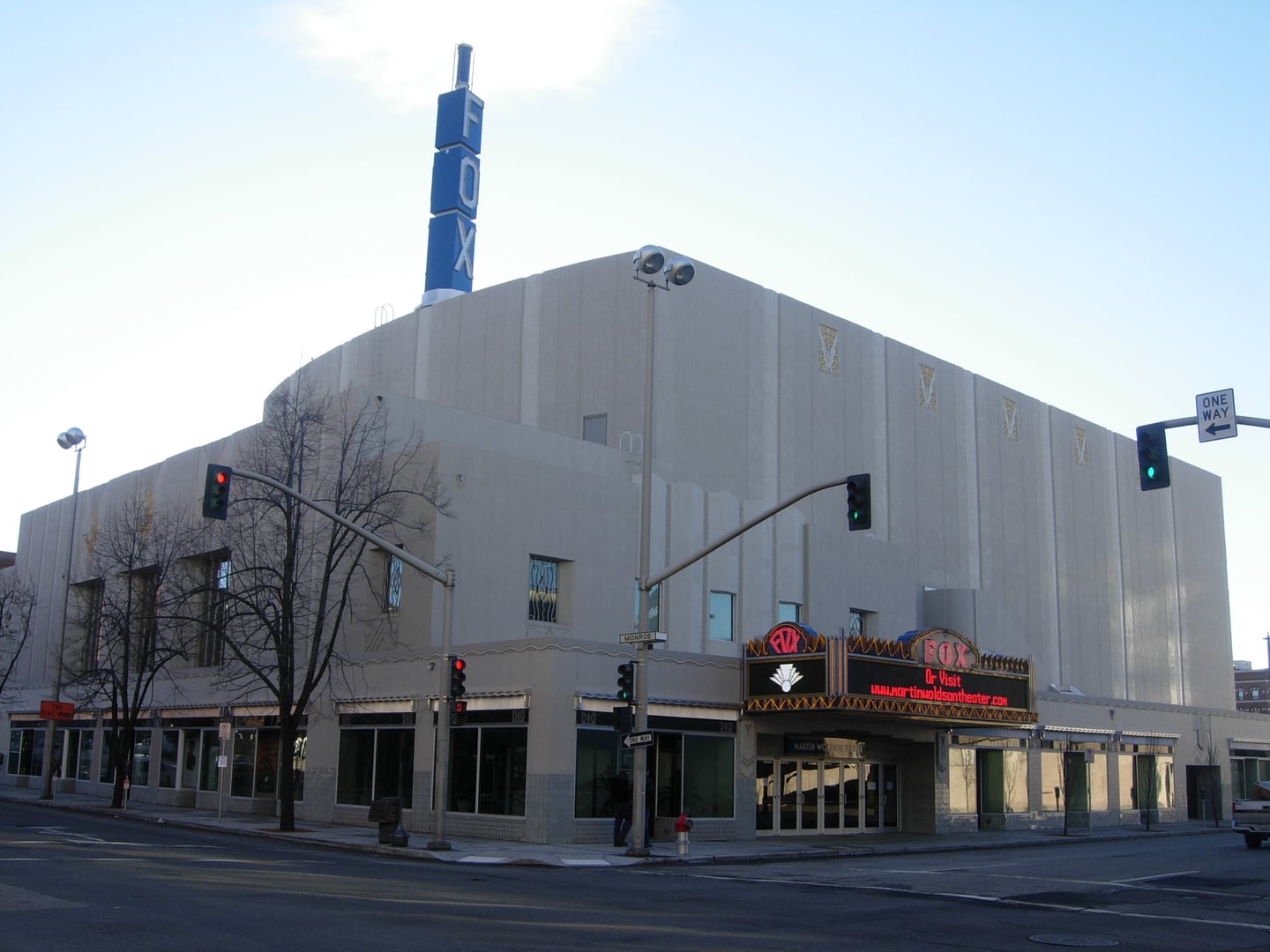
Spokane, WA
The Fox opened September 3, 1931 as an Art Deco movie palace designed by Robert C. Reamer. After decline and threatened demolition, a $31 million restoration completed in 2007 returned it to use as the Spokane Symphony's home; it was renamed for railroad pioneer Martin Woldson after a major gift from his daughter Myrtle Woldson.
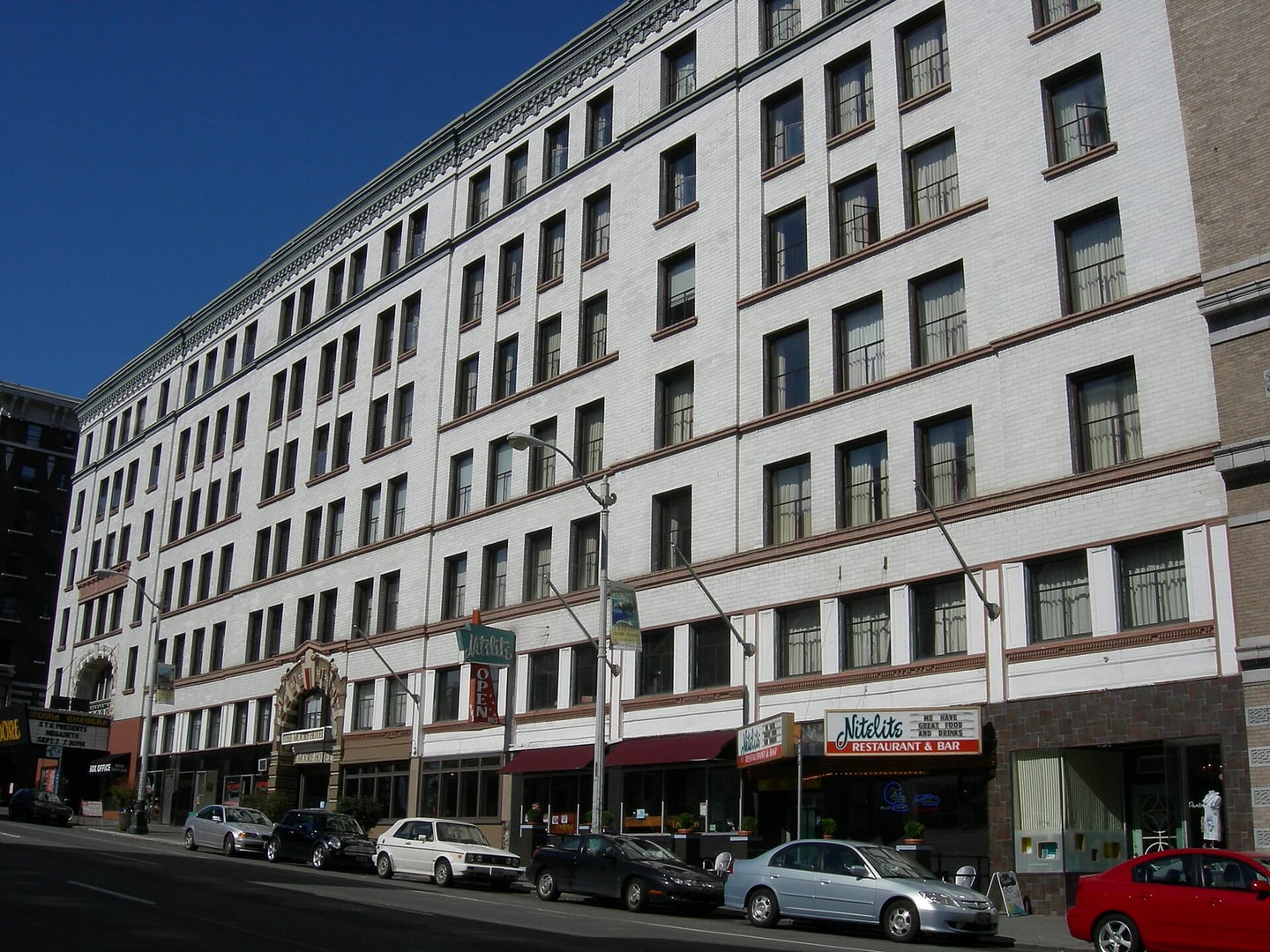
Seattle, WA
Built in 1907 by Seattle real-estate developer James A. Moore and designed by E.W. Houghton, the Moore opened on December 28, 1907, with 2,436 seats — the largest theater in the city at the time. It is Seattle's oldest still-operating theater and was added to the National Register of Historic Places in 1974. Today it is operated as a live-performance venue by the non-profit Seattle Theatre Group.
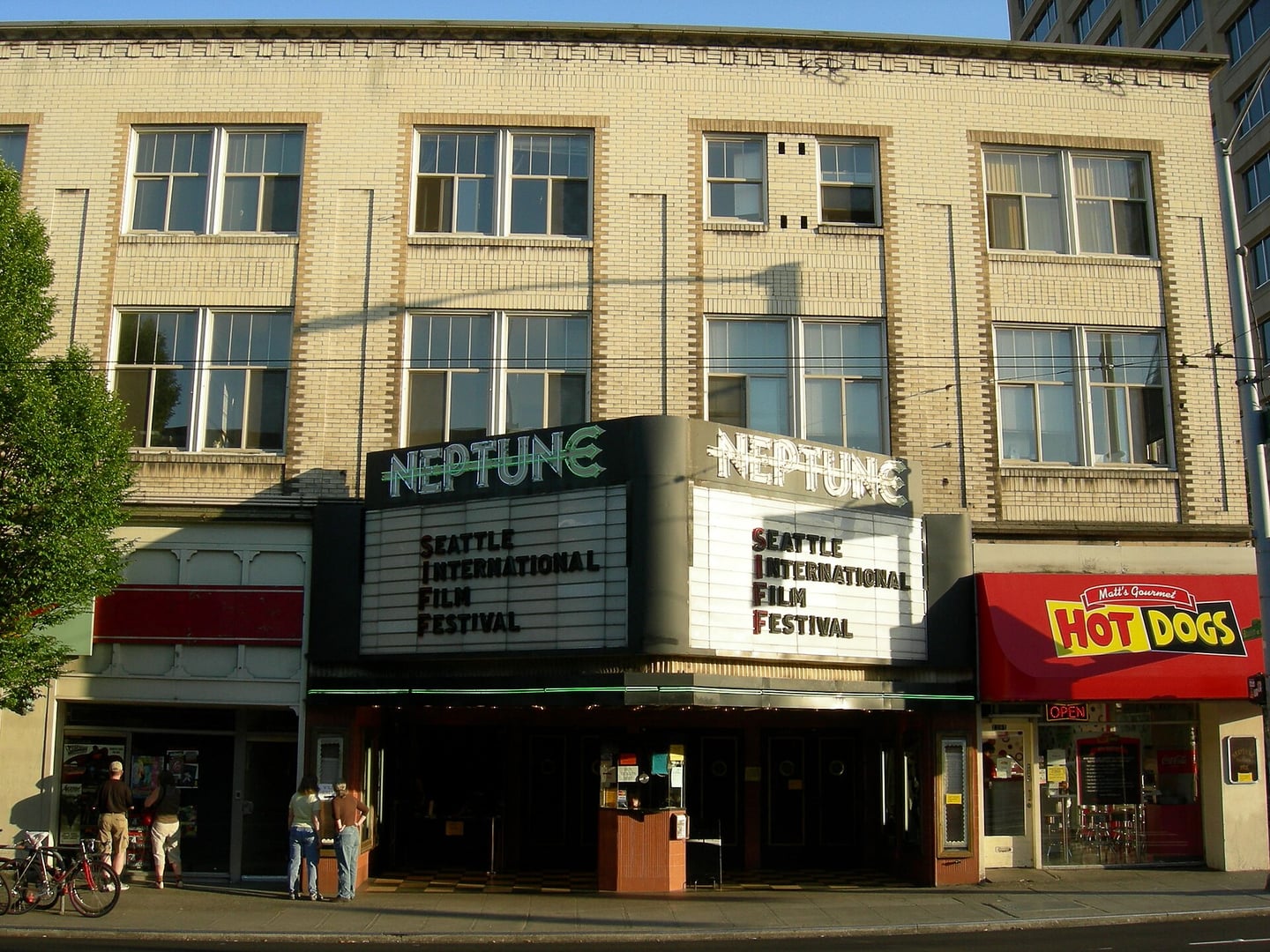
Seattle, WA
The Neptune opened November 16, 1921 as a 1,000-seat movie palace in Seattle's University District. Designed by Kentucky-born architect Henderson Ryan with a King Neptune nautical motif, it was originally operated by the Puritan Theatre Company. After decades under various operators including Landmark Theatres (1981-2010), Seattle Theatre Group acquired and renovated it in 2011 as a live-performance venue.