Est. 1856 · First Pacific Northwest Lighthouse · Graveyard of the Pacific · Lewis and Clark Expedition Site · Columbia River Bar Navigation
Captain John Meares named the cape in 1788 after failing to find the entrance to the Columbia River through heavy fog and breakers. The name proved durable. The bar where the Columbia River meets the Pacific Ocean is among the most lethal navigational hazards on the American coast — more than 2,000 vessels and an estimated 700 lives have been lost there since European contact.
The United States Lighthouse Service approved a lighthouse for the cape in 1853, prompted by a sharp rise in West Coast shipping after the California Gold Rush. The supply ship Oriole, carrying construction materials and labor for the project, attempted to cross the bar on September 18, 1853, after eight days of waiting offshore for conditions to improve. The ship struck Peacock Spit and sank directly below the cape. All construction materials were lost.
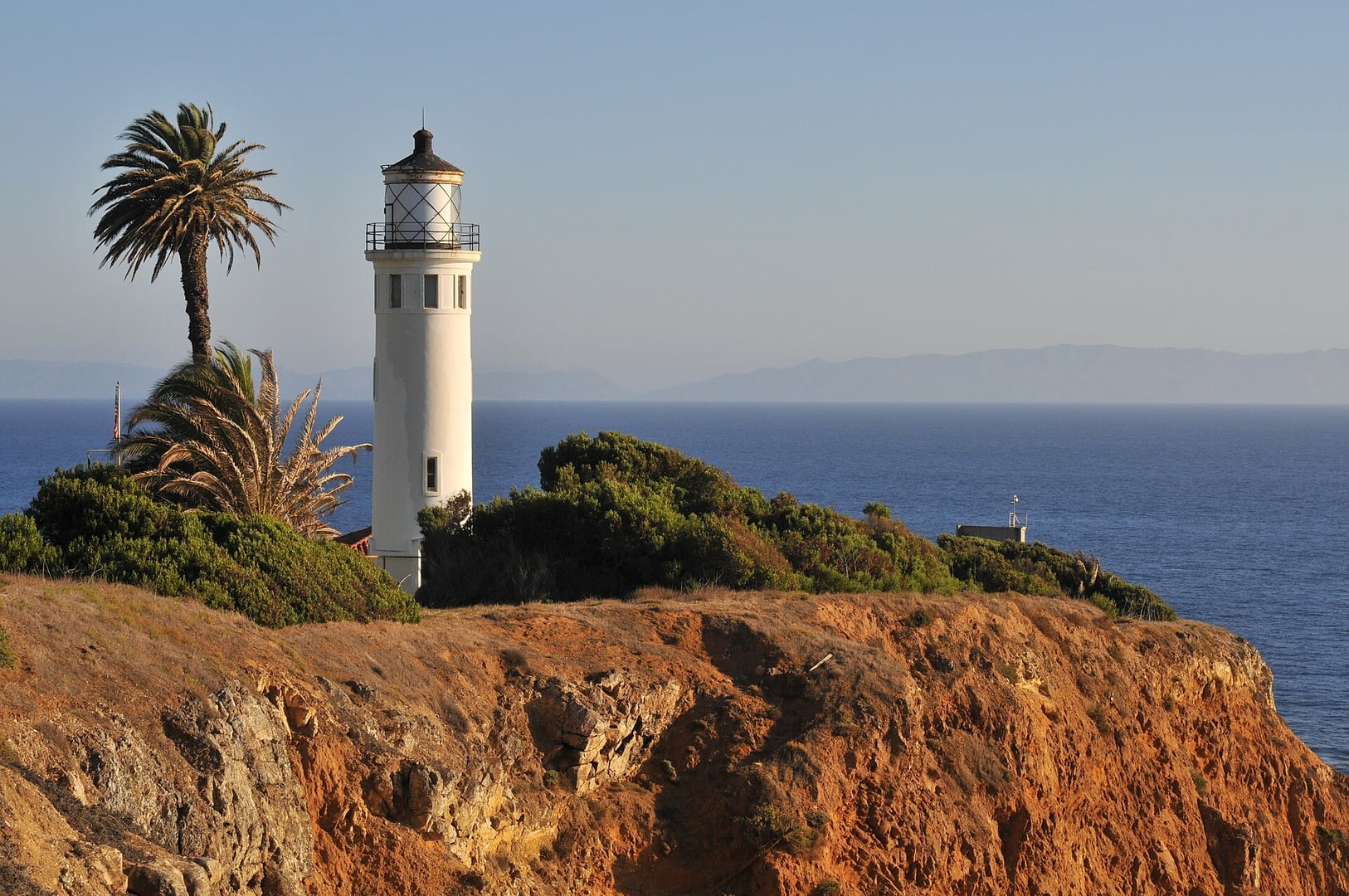
A second supply effort succeeded, and the 53-foot brick tower was completed and first lit on October 15, 1856. It was the first lighthouse in the Pacific Northwest. The original first-order Fresnel lens, manufactured in Paris, illuminated the structure until automation. The tower remains an active U.S. Coast Guard aid to navigation. The original keeper's quarters did not survive; later structures on the headland serve different purposes.
The surrounding 1,882 acres became Cape Disappointment State Park, including the Lewis and Clark Interpretive Center commemorating the Corps of Discovery's November 1805 arrival at the Pacific. The Corps reached the cape on November 18, 1805, ending their westward journey. Clark's journal entry — "Ocian in view! O! the joy." — was written from a hillside near the lighthouse site.
Sources
- https://www.lighthousefriends.com/light.asp?ID=115
- https://en.wikipedia.org/wiki/Cape_Disappointment_Light
- https://www.historylink.org/File/5622
ApparitionsPhantom soundsPhantom voicesCold spots
The cape's paranormal literature is anchored in maritime tragedy rather than building-specific haunting. The most-repeated regional accounts describe phantom vessels appearing in the breakers off Peacock Spit, where the Oriole sank in 1853 and dozens of other ships have been lost. Witnesses describe full-rigged sailing vessels and steam-era cargo ships visible briefly in heavy fog before disappearing. North Head Lighthouse Society and Washington state maritime historians have collected these accounts as folklore associated with the bar rather than confirmed phenomena.
The trail to the lighthouse itself draws a smaller set of reports. Hikers describe the sound of voices on the wind that resolve as nothing identifiable, the impression of being followed at distance on the wooded sections, and occasional reports of cold spots near the cliff overlook above the wreck site. The original keeper's quarters did not survive, which has limited the lighthouse's role in local paranormal narrative compared to Pacific Northwest lights with intact period structures.
We present these accounts as regional maritime folklore without endorsement as confirmed phenomena. The cape's documented history of mass loss of life at the bar is sufficient material on its own.