Museum Visit
Lighthouse & Interpretive Center Tour
Monthly public tours of the 67-foot tower and Interpretive Center, including exhibits on the lighthouse's history, the Fresnel lens, and the Lady of the Light legend.
- Duration:
- 1 hr
HauntBound archive · catalog record
Reported phenomena, as catalogued
A 1926 NRHP-listed coastal lighthouse in Rancho Palos Verdes, long associated with the legend of a 'Lady of the Light' — a ghostly woman in white seen pacing the tower's walkway by generations of keepers and visitors.
31550 Palos Verdes Drive West, Rancho Palos Verdes, CA 90275
Research updated June 2026
Age
All Ages
Cost
$
Free admission on the second Saturday of each month during open hours; Interpretive Center open during tours
Access
Wheelchair OK
Paved coastal path; some stairs in lighthouse tower
Equipment
Photos OK
Est. 1926 · National Register of Historic Places (listed November 17, 1979) · USCG-operated lighthouse guiding Pacific Coast navigation since 1926 · One of the last California lighthouses to use a Fresnel lens · Only public-access lighthouse on the Palos Verdes Peninsula
The need for a lighthouse at Point Vicente on the Palos Verdes Peninsula was recognized as early as 1912, when mariners petitioned the federal government for a navigation aid at this treacherous turning point for vessels approaching San Pedro and Long Beach harbors. In 1916, Congress appropriated $80,000 for the project, but land acquisition proved complicated. Frank Vanderlip, who had purchased the entire Palos Verdes Peninsula in 1913 with plans for an artist colony, resisted relinquishing Point Vicente. The government initiated condemnation proceedings in 1918, and title transferred in 1921. Construction finally began in 1924.
The 67-foot lighthouse tower was completed and became operational on April 14, 1926, at a total cost of $102,871. Its third-order clamshell Fresnel lens was manufactured in Paris and powered by a 500-watt bulb, visible for miles across the Pacific. The station included residences for the head keeper, two assistant keepers, and their families.
George L'Hommedieu served as the first keeper from 1925 to 1930, followed by Anton Trittinger (1930–1945), who earned three consecutive district efficiency pennants and was the longest-serving head keeper, and Joseph May, who joined as second assistant in 1942 and became head keeper in 1945, serving through 1955 as the last civilian keeper. The U.S. Coast Guard assumed operational responsibility in 1939, and the lighthouse was fully automated in 1973. In 1980, the Coast Guard Radio Station at Point Vicente was decommissioned. The lighthouse was added to the National Register of Historic Places on November 17, 1979, and today the grounds include a public Interpretive Center and are open to visitors on the second Saturday of each month.
Sources
According to Lighthousefriends.com, the Palos Verdes Pulse, and regional paranormal writers including Brian Clune (author of Haunted San Pedro), reports of a woman in flowing white garments drifting along the outer walkway of the Point Vicente tower predate the lighthouse's construction in 1926 — suggesting the legend is rooted in the bluffs themselves rather than any specific keeper's history.
From the time the lighthouse opened, keepers reported the apparition to the U.S. Lighthouse Service. The two main origin stories are: a woman engaged to a sailor lost at sea who threw herself from the cliffs in grief; and the wife of the first lighthouse keeper who stumbled to her death on the fog-shrouded bluffs one dark night. At the lighthouse's peak operation, the shadow of a woman could be seen through the painted lantern-room windows, apparently pacing the walkway.
A younger assistant keeper eventually determined that the phenomenon was an optical illusion: after World War II, when the landward side of the lantern room was painted opaque white to reduce glare complaints from nearby residents, the rotating Fresnel lens cast an arc of light through the painted glass that bore a striking resemblance at 80–200 yards to a woman in a long gown. In 1955, a thicker coat of white paint was applied, and official sightings ceased. Nevertheless, local lore and some visitors maintain that the Lady of the Light has been glimpsed since.
Notable Entities
Monthly public tours of the 67-foot tower and Interpretive Center, including exhibits on the lighthouse's history, the Fresnel lens, and the Lady of the Light legend.
Walk the clifftop grounds with panoramic Pacific Ocean views; the setting where the Lady of the Light was reportedly seen pacing the exterior bluffs.
Some links on this page may earn HauntBound a small commission when you book, at no extra cost to you. Our editorial picks are independent. Full disclosure
Every HauntBound history is researched from documented sources. We clearly separate verified historical fact from paranormal folklore.
Free Guide
10 verified stops, rated for families, mapped in order. Free.
One email to confirm, then the guide link. Unsubscribe anytime.
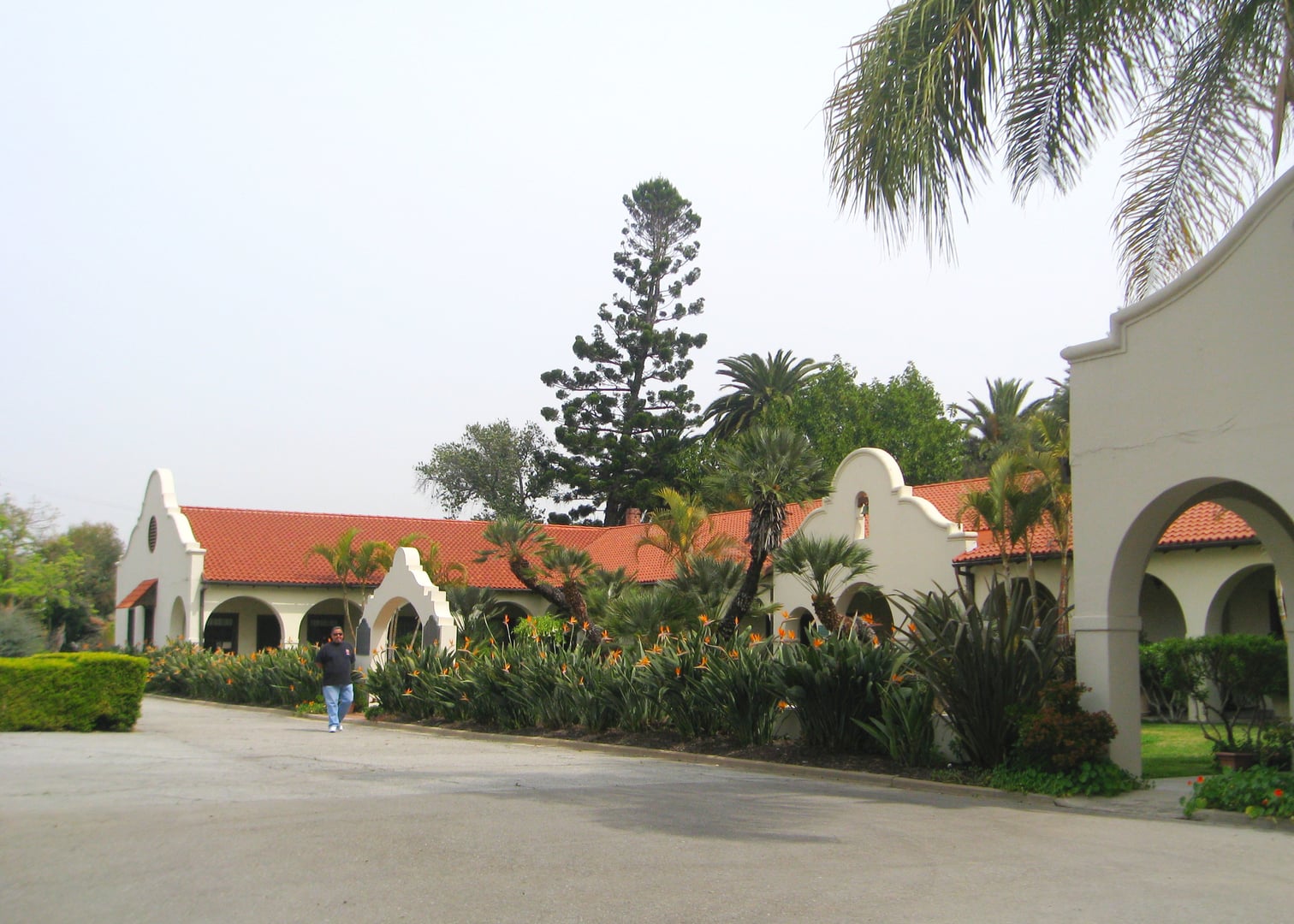
Rancho Dominguez, CA
The Dominguez Rancho Adobe Museum occupies the 1826 adobe ranch house of Manuel Dominguez, on land first granted to his great-uncle Juan Jose Dominguez under Spanish rule in 1784. The 75,000-acre Rancho San Pedro was the earliest Spanish land grant in California. The site was the location of the 1846 Battle of Dominguez Rancho.
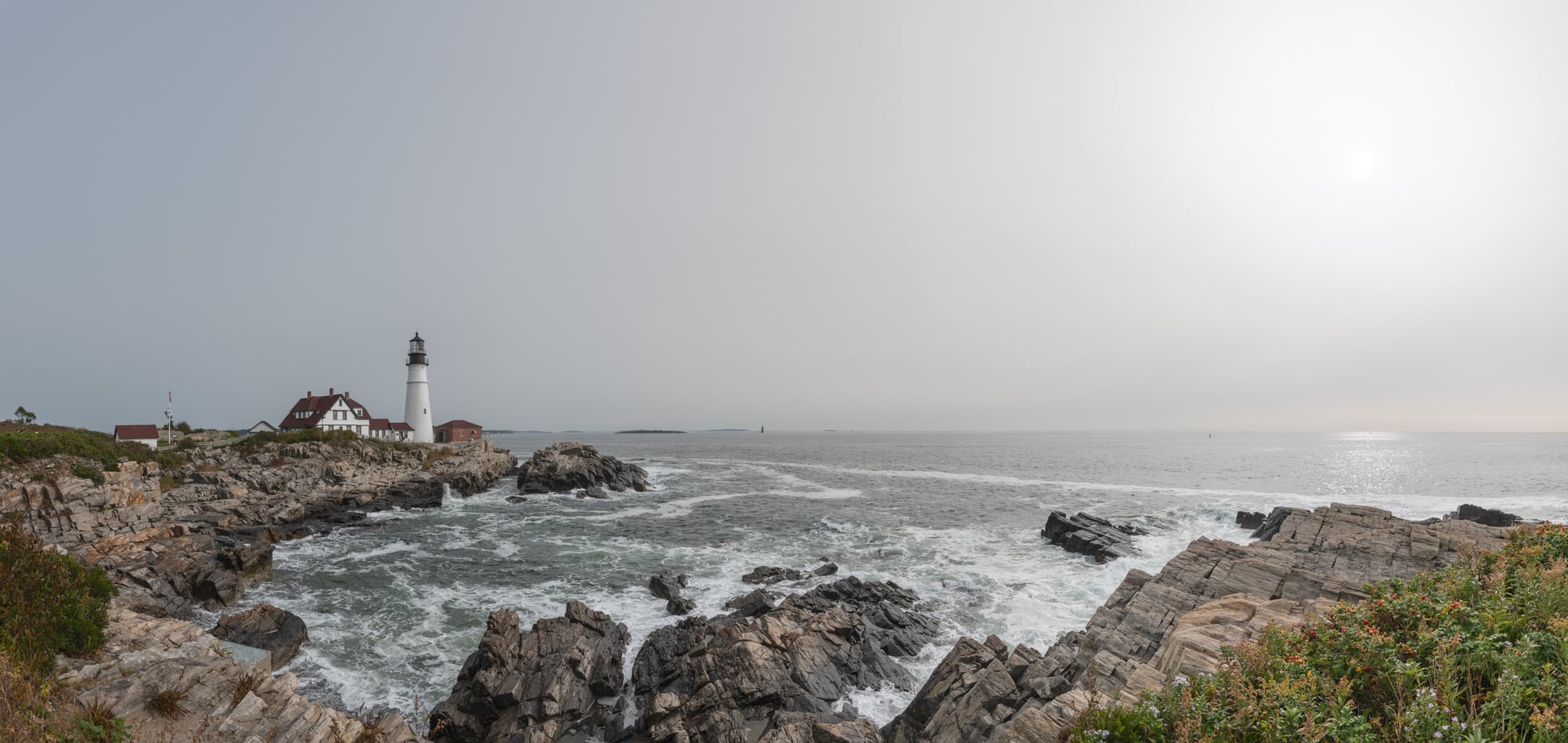
Cape Elizabeth, ME
Portland Head Light, completed in 1791 at the entrance of Casco Bay in Cape Elizabeth, Maine, is the oldest lighthouse in Maine. Construction was authorized by Congress and overseen at George Washington's directive, making it one of the first lighthouses built under the new federal government.
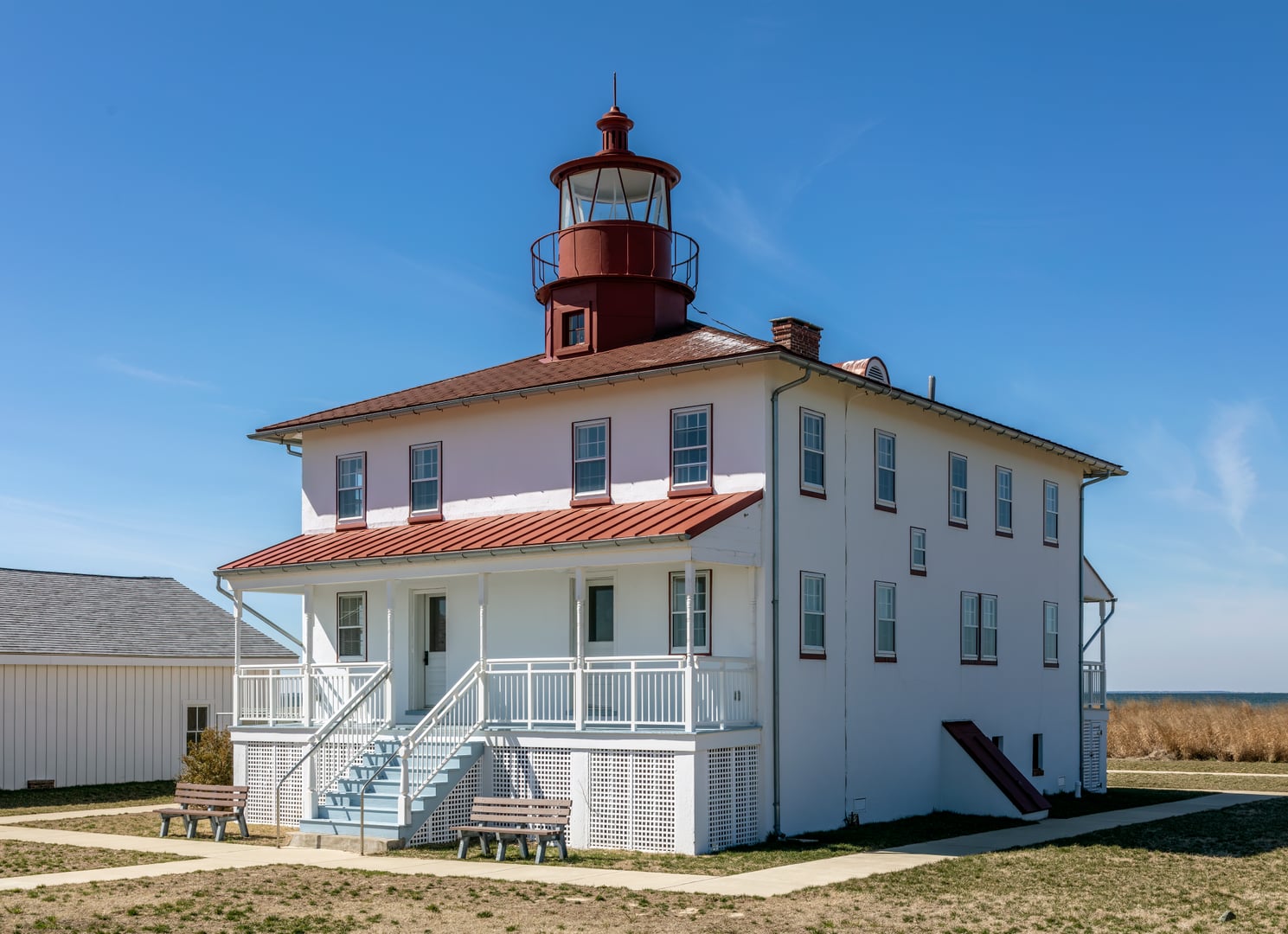
Scotland, MD
Point Lookout Lighthouse, built by John Donahoo in 1830, marks the cape where the Potomac River meets the Chesapeake Bay. During the Civil War the cape served as a Union hospital and Confederate prisoner-of-war camp, where nearly four thousand prisoners died and were buried on the grounds.