Established 1884 by the Black Diamond Coal Mining Company · Added to the National Register of Historic Places, April 21, 2000 (NRHP #00000406) · Over 1,200 graves representing immigrants from dozens of countries · Contains graves of miners killed in the 1902, 1910, and 1915 Lawson Mine explosions · Maintained by the City of Black Diamond since 1977
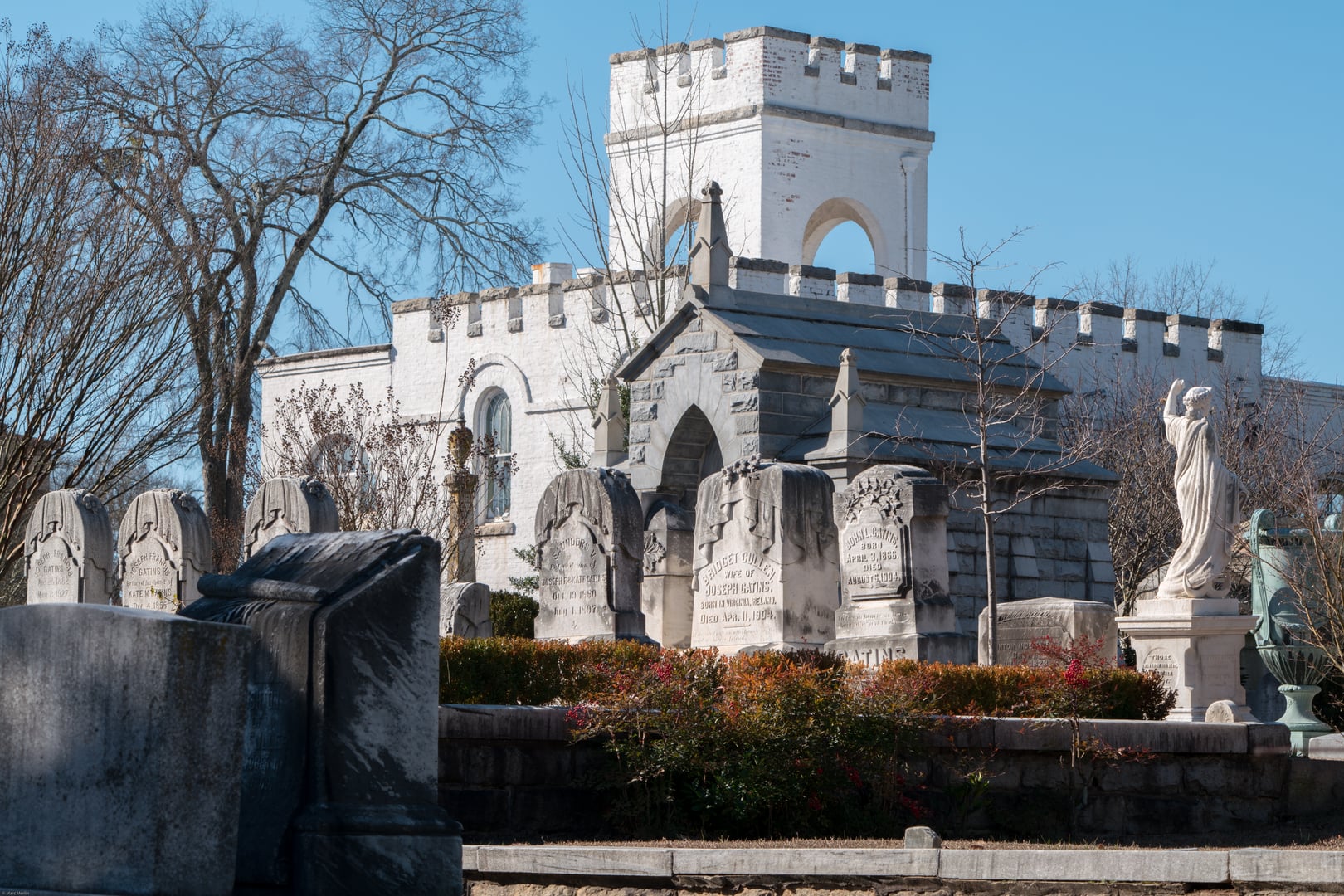
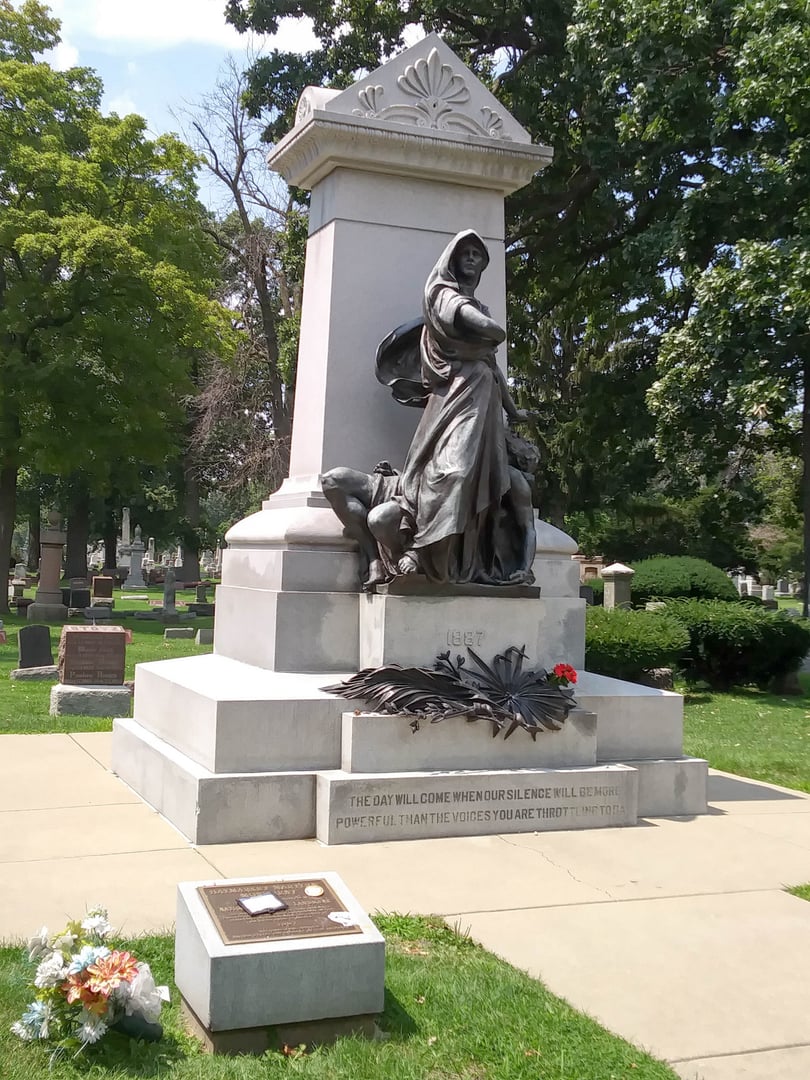
The Black Diamond Cemetery, established in 1884, stands as the most visible surviving monument to the coal-mining era that made Black Diamond one of the most productive industrial towns in the Pacific Northwest. The Black Diamond Coal Mining Company — which had relocated an entire community of Welsh miners from Mount Diablo, California to Washington Territory in 1884 — established the cemetery at the outset to serve both company employees and the broader community. The earliest grave marker is dated March 25, 1886.
Originally enclosed by a wooden picket fence with a double-gate hearse entrance, the cemetery was funded through a 'cemetery fee' automatically deducted from miners' paychecks, a practice common in company towns of the era. Since 1977 the City of Black Diamond has maintained the grounds, upgrading the fence to chain-link while preserving the historic character of the burial ground.
At least half a dozen graves mark miners who died in a series of catastrophic Lawson Mine explosions: a methane blast in 1902, another in 1910 that killed sixteen men (five of whom were never recovered), and a third in 1915. The 1910 blast claimed Ferdinando Godini, Isidoro Godini, and Alberto Fontana — all in their early twenties — who share a common grave monument. Additional headstones are inscribed 'Killed in mine' for workers including James Boyd, John X. Mills, and David Lunden.
The cemetery's more than 1,200 graves mirror the extraordinary cultural diversity of the mining workforce. Tombstones represent immigrants from Wales, Italy, Australia, Russia, Germany, China, Finland, and dozens of other nations. A Civil War veteran is buried here, as are many children who died during epidemics of smallpox and influenza in the early 1900s. The National Register of Historic Places nomination, approved April 21, 2000, recognized the cemetery as illustrating 'the historic and cultural patterns indicative of coal mining communities and company towns elsewhere in the American West and the nation as a whole.'
Sources
- https://en.wikipedia.org/wiki/Black_Diamond_Cemetery
- https://www.blackdiamondmuseum.org/visit-us/towns-landmarks/black-diamond-cemetery/
- https://blackdiamondhistory.wordpress.com/2020/05/25/black-diamond-cemetery-listed-on-national-register/
- https://seattleterrors.com/black-diamond-cemetery/
- https://www.courierherald.com/news/ghost-hunters-wrap-up-black-diamond-cemetery-investigation/
- https://www.seattleweekly.com/northwest/washingtons-most-haunted-ghost-hunters-head-to-black-diamond-cemetery/
- https://ghostlyactivities.com/true-ghost-story-black-diamond-washington/
Swinging lantern-like lights on foggy nightsWhistling and disembodied voicesPhantom white horse walking among headstonesUnexplained odors including coal and smokeFeeling of being watched
The paranormal traditions at Black Diamond Cemetery are among the most consistent and widely reported of any rural Washington cemetery, documented independently by regional journalists and rooted in the site's tragic mining history. On foggy nights, witnesses have long described swinging, bobbing lights drifting above the headstones — attributed by local lore to the lanterns of miners killed in the 1902, 1910, and 1915 Lawson Mine explosions, still wandering the hillside in search of coal. A 2020 Halloween feature by reporter Ray Miller-Still in the Kent Reporter, a regional Sound Publishing paper serving King County, documented these traditions after interviewing locals and a paranormal investigation team: 'swinging lanterns of dead coal miners seen on foggy nights' and 'whistling and voices when nobody else is around' were the most consistently reported phenomena.
A competing, more prosaic explanation for the lights was also documented in the same Kent Reporter piece: investigators from Cascadia Paranormal Investigations found dimly glowing solar memorial candles next to graves that, viewed from a distance on a foggy night, can resemble swinging lanterns — a natural will-o'-the-wisp effect produced by solar electronics rather than swamp gas.
Perhaps the most arresting element of the Black Diamond legend is the phantom white horse reported weaving in and out of the tombstones by multiple witnesses across many years. This apparition appears in the local oral tradition independently of the miner-lantern legend, and no satisfying rational explanation for it has been advanced.
The extraordinary concentration of tragedy at this cemetery — miners dead in explosions, children lost to epidemics, a diverse immigrant community cut down far from home — provides potent emotional raw material for folklore to attach itself to. All paranormal claims here are presented as community tradition, not as verified phenomena.
Notable Entities
Spirits of miners killed in the 1902, 1910, and 1915 Lawson Mine explosions (per local tradition)Phantom white horse (per repeated witness reports)
Media Appearances
- Kent Reporter, 'Washington's most haunted: Ghost hunters head to Black Diamond Cemetery,' Ray Miller-Still, October 30, 2020