Est. 1852 · Site of the largest single-station Union casualty evacuation of the Second Bull Run campaign, August–September 1862 · Clara Barton documented her nursing work at this station in letters from the field · Original 1852 Orange & Alexandria Railroad depot; current structure is a 1987 reconstruction with ~20% original materials · Operated by the all-volunteer Friends of the Fairfax Station since 1988 · Part of the NPS Civil War Trails program
The Orange & Alexandria Railroad laid its main line through this section of Fairfax County in the early 1850s, and the Fairfax Station depot was built around 1852 as a stop on the route connecting Alexandria to the Shenandoah Valley and points southwest.
The station's defining moment came in late August and early September of 1862, in the aftermath of the Second Battle of Bull Run (Second Manassas), fought approximately 15 miles to the northwest on August 28–30. Federal forces established the station as a collection point for Union casualties. Approximately 3,500 wounded soldiers passed through, transported by ambulance to the depot and then loaded onto trains for transfer to military hospitals in Alexandria and Washington. The scale and conditions of the operation were extreme — the wounded arrived faster than they could be processed, and temporary medical stations were set up on the station platform and in the surrounding fields.
Clara Barton came to Fairfax Station to assist with the evacuation. She wrote in a letter, 'I leave immediately for the Battlefield' and her work at the station became one of the documented cases in her early Civil War nursing career, before she organized the American Red Cross. A National Park Service Civil War Trails program commemorates her activities at the station.
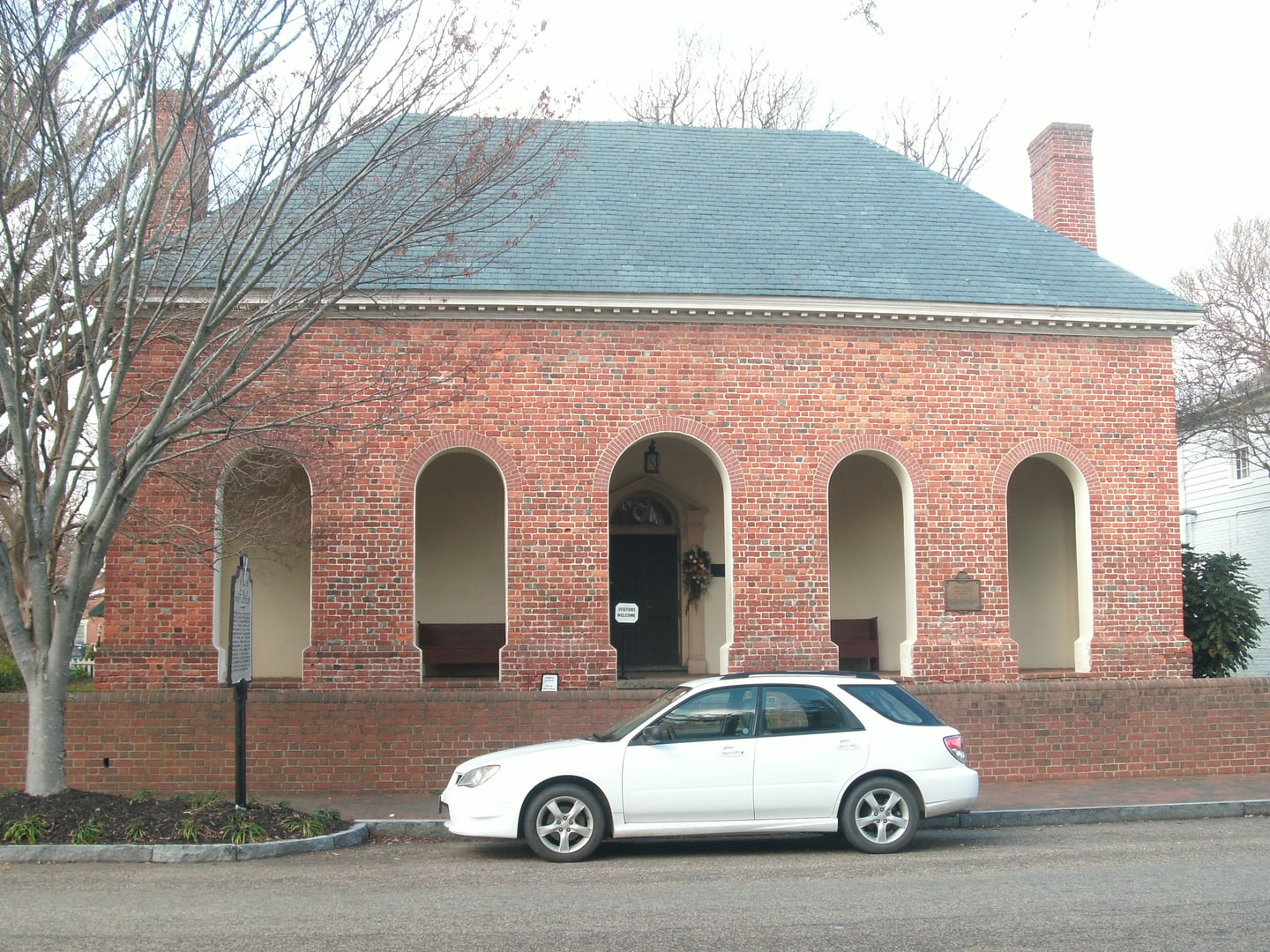
The original 1852 structure deteriorated over the following century. The Friends of the Fairfax Station, an all-volunteer 501(c)(3) nonprofit, built a 1987 reconstruction that preserved roughly 20% of original materials. The museum opened in April 1988 and operates with an all-volunteer staff, opening primarily on the third Sunday of each month and for special events.
Sources
- https://en.wikipedia.org/wiki/Fairfax_Station_Railroad_Museum
- https://fairfax-station-railroad-museum.org/
- https://clarabartonmuseum.org/learn/studentresearch/fairfax-station/
- https://northernvirginiamag.com/culture/2025/10/06/uncover-northern-virginias-haunted-history-with-these-9-spooky-sites/
Phantom train whistlesWoman in mourning clothes on the platformFootsteps with no visible sourceCold spots recorded by investigatorsUnexplained sounds on audio equipment
The documented mass casualty event of August–September 1862 — 3,500 soldiers passing through a small rural depot over a period of days, many dying before they could be transported — forms the historical basis for the paranormal reports at the station.
The most frequently described figure is a woman in dark mourning dress standing on or near the platform, described as waiting and watching. Accounts note that the figure disappears when observers approach. In the context of the station's Civil War history, the figure is typically interpreted as a woman waiting for news of or the body of a soldier who passed through during the 1862 evacuations.
Phantom train whistles are another reported phenomenon — sounds consistent with the station's active railroad era heard when no train is present. Footsteps on the platform and inside the building with no visible source have been reported by museum volunteers and visitors. Paranormal investigators who have examined the building have noted cold spots in specific areas of the interior and recorded unexplained sounds on audio equipment.
The Virginia Ghosts and Hauntings Research Society conducted a preliminary investigation at the site; poor weather prevented a complete sweep of the grounds near the former grave sites associated with the 1862 evacuation, and investigators indicated interest in returning. No full investigation report is in the public record.
Notable Entities
Unidentified woman in mourning dress
Where this legend is told