Est. 1854 · National Register of Historic Places · Civil War Site · Antebellum Architecture
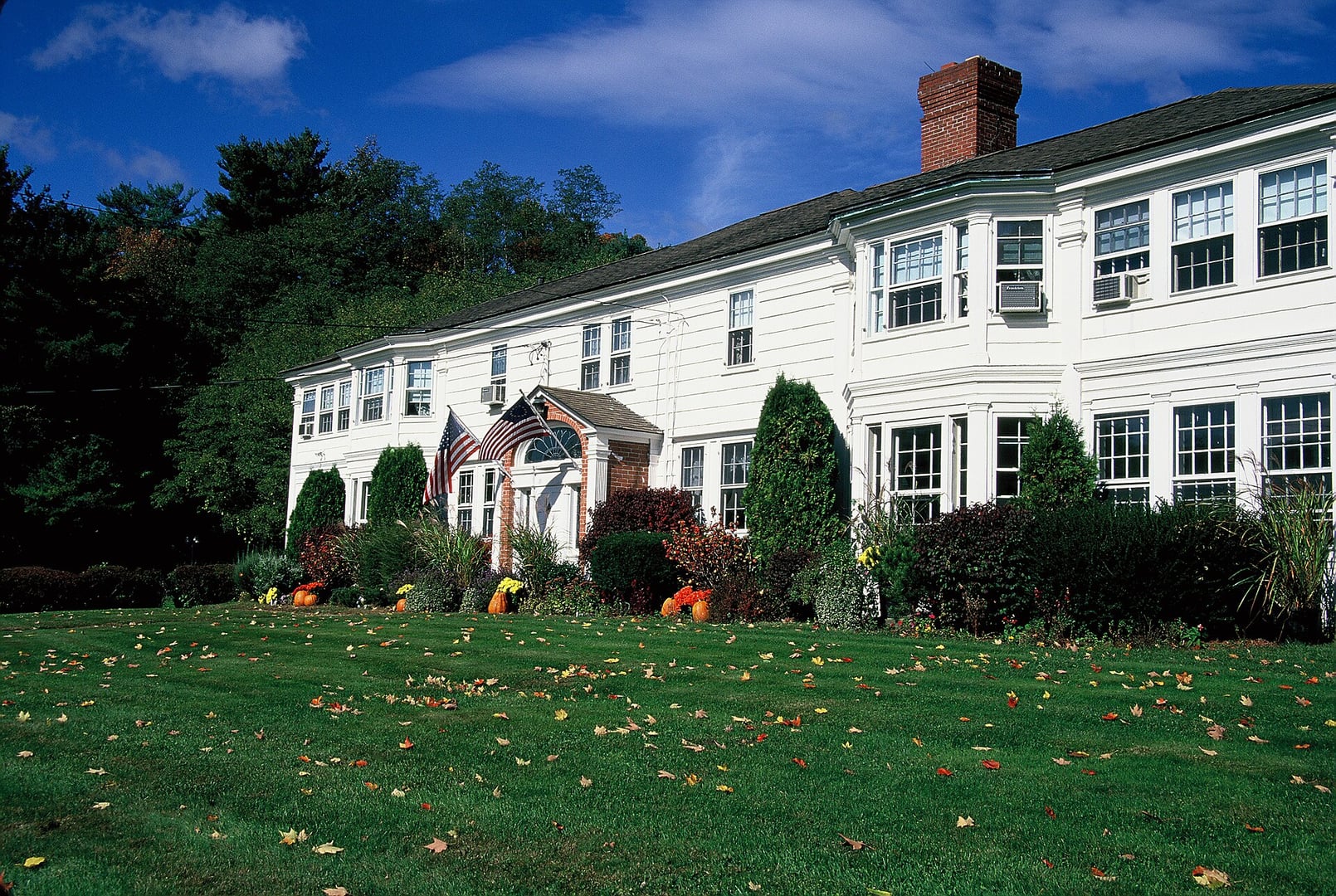
Edgewood Plantation occupies a 7,000-square-foot Gothic Revival house built in 1854 by Spencer Rowland, one of two brothers from New Jersey who operated the adjacent grain mill. The property sits along State Route 5 in Charles City County, the scenic byway connecting Richmond and Williamsburg through Virginia's James River plantation corridor.
The Civil War brought Edgewood into the documented record. The third floor was used as a Confederate observation post when generals were camped at neighboring Berkeley Plantation. In June 1862, General J.E.B. Stuart paused at Edgewood for coffee during his celebrated ride around the rear of the Union Army, an episode local historians still cite when describing the property's wartime role.
After the Rowland family's ownership ended in 1888, Edgewood passed through a succession of uses. The house operated as a post office, a telephone exchange, and a nursing home. In the early twentieth century it became Charles City's first restaurant, The Blue Teapot. The mansion and its associated mill were jointly listed on the Virginia Landmarks Register on December 14, 1982, and on the National Register of Historic Places on February 10, 1983, as Edgewood Plantation and Harrison's Mill.
Dot and Julian Boulware purchased the property in the mid-1970s and have operated it as a bed-and-breakfast since restoration. The inn remains family-run, retaining period furnishings throughout its twelve guest rooms.
Sources
- https://en.wikipedia.org/wiki/Edgewood_Plantation_and_Harrison%27s_Mill
- https://www.nps.gov/articles/edgewood.htm
- https://www.virginia.org/listing/edgewood-plantation-bed-and-breakfast/10990/
ApparitionsEVPCold spotsPhantom voices
The window glass on the second floor still bears the etched name of Elizabeth Rowland, called Lizzie, daughter of the Rowland family. Local tradition holds that she scratched the letters into the pane while waiting at the window for the return of her fiance, a Confederate soldier who did not survive the war. The detail is offered consistently across regional ghost-tour and folklore accounts, though independent verification of the etching's exact date is not documented in NRHP files.
Guests have reported seeing an apparition of a dark-haired woman in nineteenth-century dress at the second-floor window, viewed from both inside and outside the house. The figure is consistently described as somber, looking outward toward the road. Investigators visiting the property have reported electronic voice phenomena consistent with a child's voice and intermittent cold spots in upstairs rooms.
Additional local lore references two reported suicides in the property's history, one in the mill and one within the main house, though specific names and dates have not been corroborated in newspaper archives reviewed for this entry. As with much plantation folklore in Virginia's James River corridor, the documented history and the oral tradition have grown intertwined; visitors are encouraged to weigh the two on their own terms.
Notable Entities
Lizzie Rowland