Self-Guided Visit
Visit the Bar
Walk in and order a drink. The upstairs bar area — where Emily is said to roam — is accessible to regular patrons. Staff will often share the history and folklore on request.
- Duration:
- 1.5 hr
HauntBound archive · catalog record
Reported phenomena, as catalogued
+ 1 further entry on record
Austin's oldest continuously operating bar, opened 1916 as a grocery store, rumored speakeasy upstairs during Prohibition, and home to the ghost named Emily.
922 W 12th St, Austin, TX 78703
Research updated June 2026
Age
All Ages
Cost
$
Bar and restaurant; no cover charge. Food and drink prices typical of a neighborhood bar.
Access
Limited Access
Two-story historic building; upstairs area where paranormal activity is concentrated involves a staircase.
Equipment
Photos OK
Est. 1916 · Oldest continuously operating bar in Austin · Alleged Prohibition-era speakeasy and brothel · Early Austin air conditioning landmark · German public house architectural style
The building at 922 W 12th Street went up in 1916 as the Enfield Grocery Store, designed by architect Hug Kuehne. Kuehne modeled the facade on the German public houses of the period, giving it a heavy masonry presence that distinguished it from the wood-frame storefronts nearby. The neighborhood was Enfield, then a residential area on the western edge of Austin's streetcar network.
During Prohibition, according to the bar's own account and multiple press sources, the upstairs floor was operating as an illicit bar, casino, and brothel behind the grocery-store front. The arrangement was common enough in Austin's pre-repeal era that the building's split-level layout — commercial downstairs, private rooms above — would have made it practical.
After the 21st Amendment ended Prohibition in 1933, The Tavern opened as a legal bar and has operated continuously since then. An early marketing distinction was its air conditioning, which the neon signage advertised at a time when the feature was a genuine novelty. Shannon Sedwick and Michael Shelton, both connected to the Esther's Follies theater company, purchased the bar in February 2018 to preserve what they considered an irreplaceable Austin institution.
The building is listed in local historical surveys as a contributing structure to the Enfield district and remains virtually unaltered on the exterior.
Sources
The Tavern's ghost story centers on Emily, who staff and regulars describe as a woman who worked the upstairs during the building's alleged Prohibition-era brothel period and died there under unspecified violent circumstances. The bar does not claim to know her surname or provide a specific date for her death, and no contemporaneous news account has been surfaced to corroborate it. The story is best understood as enduring house folklore layered over the building's documented Prohibition-era reputation.
The most-cited piece of physical evidence is from a 2003 renovation, when workers reportedly found a pair of women's shoes inside the walls of an upstairs crawl space. The bar displays or references the shoes as Emily's, and they have become a focal point of the haunt narrative.
Visitors and staff report a consistent pattern of activity on the second floor: unexplained taps and pinches, phantom footsteps in empty corridors, cold spots, televisions changing channels on their own, and the occasional sound of a pool game being played when no one is present. The bar has leaned into the story commercially — merchandise, murder-mystery dinner events, and features in Austin ghost tour itineraries all reference Emily by name. In 2021, Austin NPR station KUT listed The Tavern among Austin's most notable haunted spots.
Notable Entities
Walk in and order a drink. The upstairs bar area — where Emily is said to roam — is accessible to regular patrons. Staff will often share the history and folklore on request.
Some links on this page may earn HauntBound a small commission when you book, at no extra cost to you. Our editorial picks are independent. Full disclosure
Every HauntBound history is researched from documented sources. We clearly separate verified historical fact from paranormal folklore.
Free Guide
10 verified stops, rated for families, mapped in order. Free.
One email to confirm, then the guide link. Unsubscribe anytime.
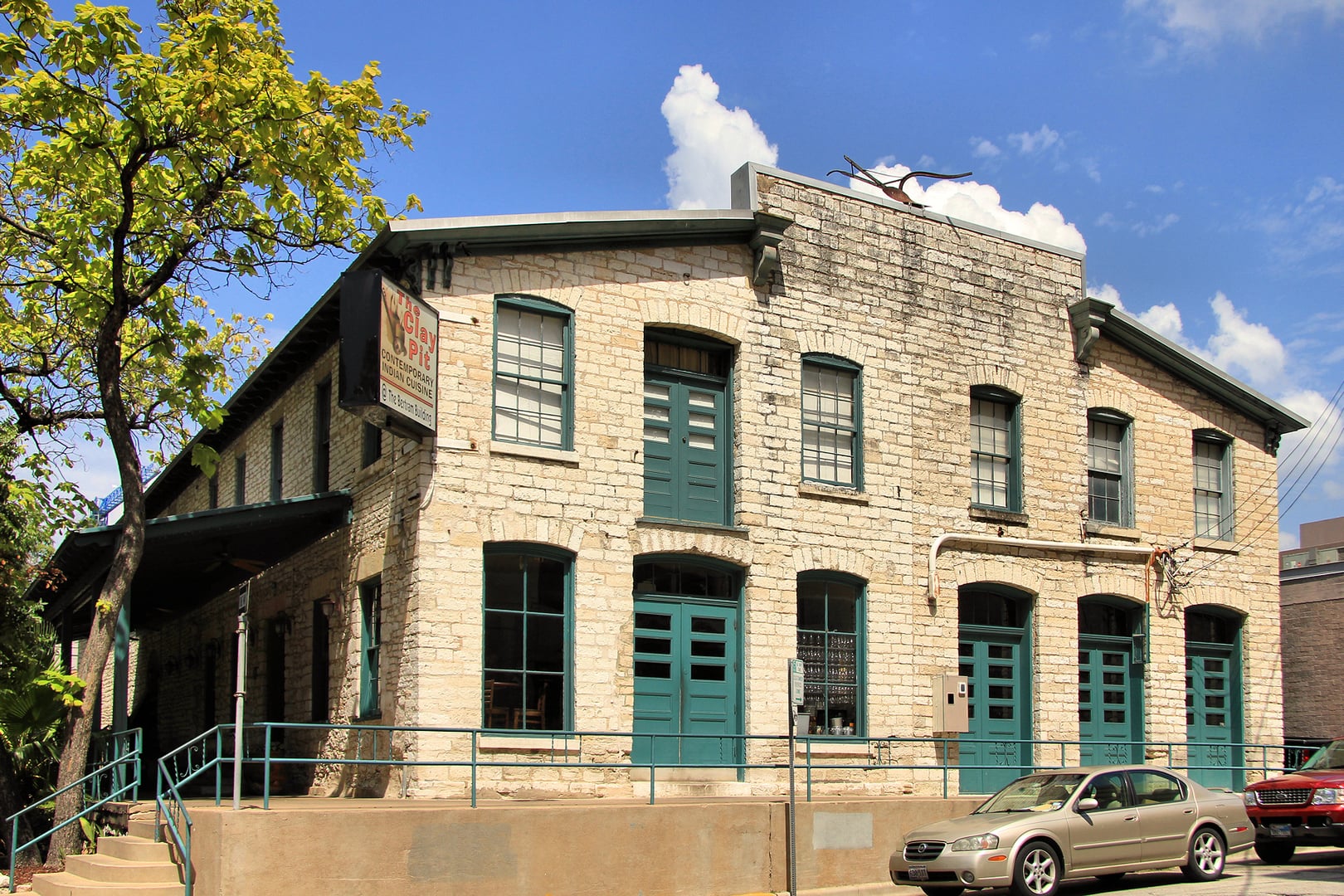
Austin, TX
Rudolph Bertram, a German immigrant who arrived in Austin in 1853, purchased the city block at 16th and Guadalupe and by 1866 had erected the limestone structure that still stands. The building housed a general store, saloon, blacksmith shop, and wagon yard. The Bertram family lived on the upper floor, and three of Rudolph's children died at the property. The Clay Pit Indian restaurant has operated here since 1998.
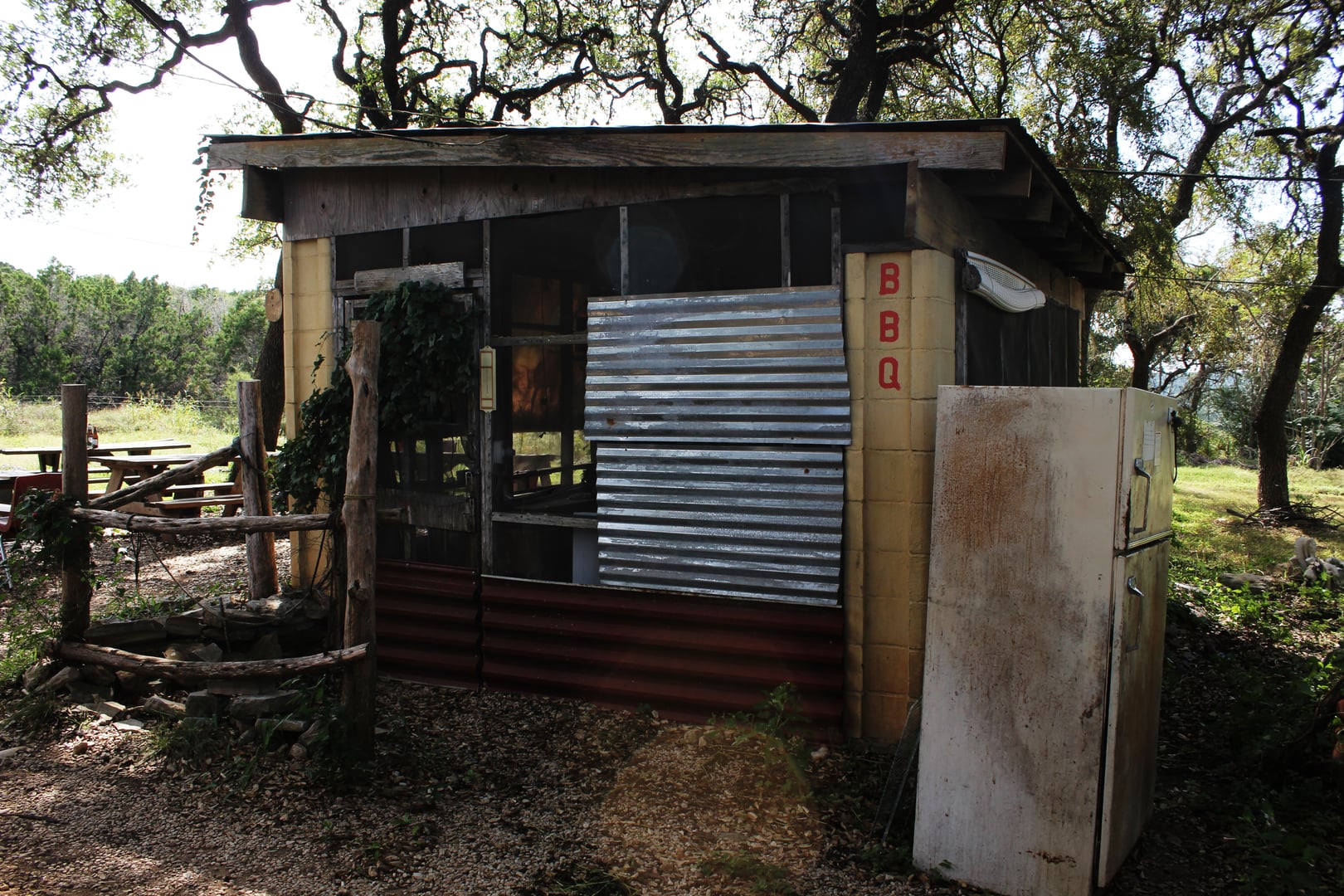
Fischer, TX
The oldest structure on the Devil's Backbone Tavern property is a stone room built in the late 1890s as a blacksmith shop, stagecoach stop, and mail distribution point on the San Marcos route. After Prohibition ended, a tavern was built in 1933 just over the Hays County dry line in Comal County. The dance hall was added in 1951.
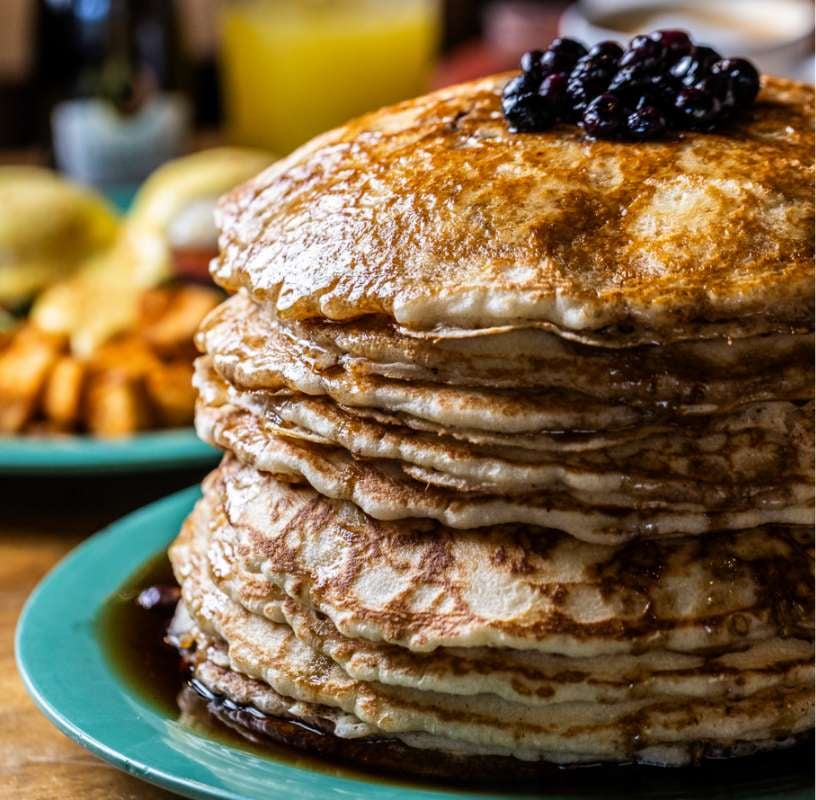
Bastrop, TX
Maxine's Café operates from a 1920s-era building on Bastrop's historic Main Street. At some point in the building's past, a man named Jack Black fell from the roof to his death — the specific date is not recorded in accessible historical sources. The café staff learned of the death through local oral history and have since named their resident ghost 'Jack,' keeping a photograph of the man on the wall.