Self-Guided Visit
Historic Springs Walk
Explore the public mineral-springs heritage area along Sulphur Creek in Lampasas, the setting of the locally documented 'Spook of Sulphur Springs' folklore.
- Duration:
- 45 min
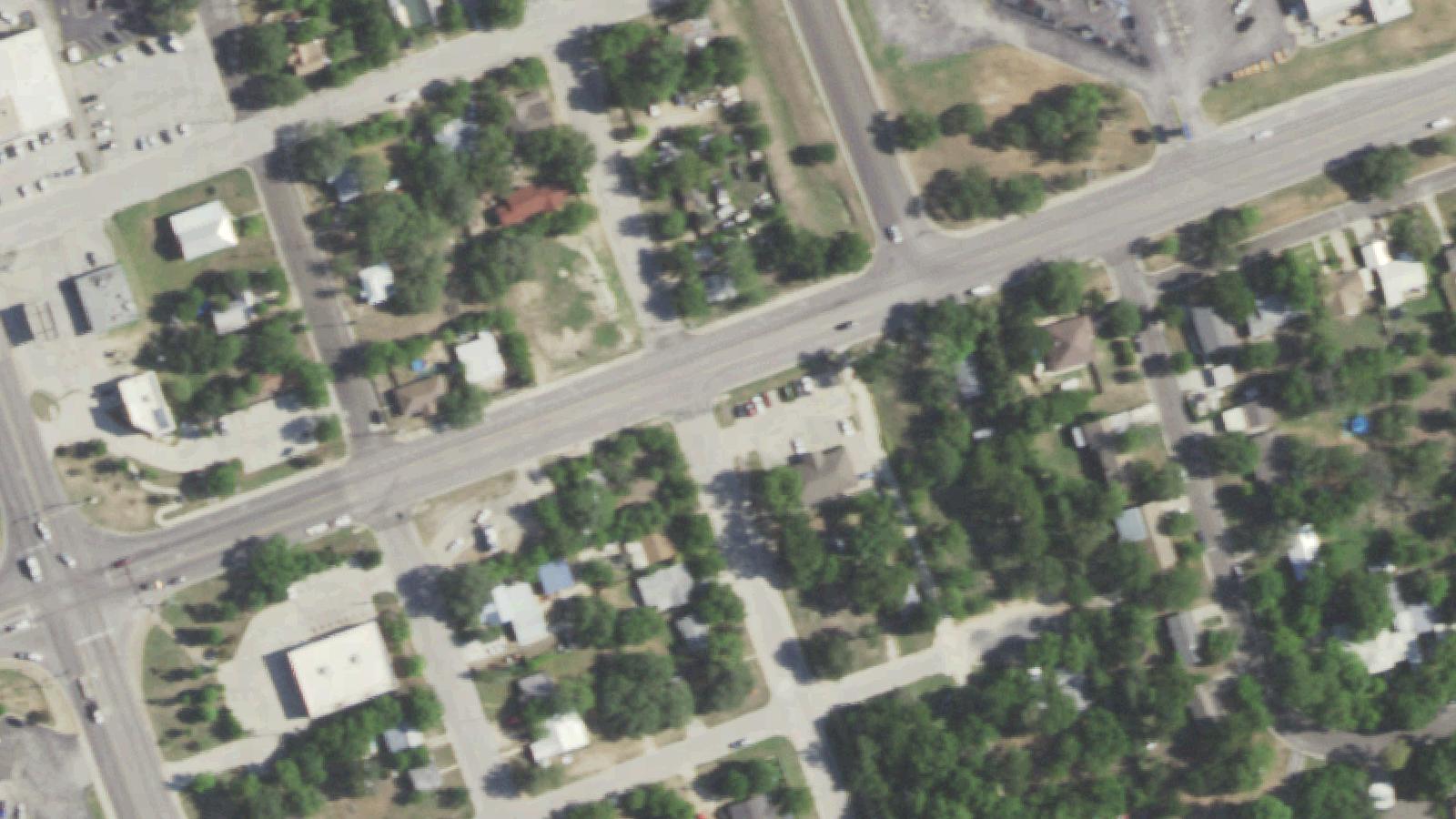 Aerial survey · USDA NAIP · public domain
Mineral springs in Lampasas tied to 'The Spook of Sulphur Springs,' a Texas ghost legend recorded by folklorist Haldeen Braddy in 1946 about a planter's daughter and an enslaved man, and a mother's spirit said to wander the grounds.
Sulphur Creek mineral springs area, Lampasas, TX 76550
Research updated May 2026
Age
All Ages
Cost
Free
The historic mineral springs are part of Lampasas's public park heritage; nearby parcels include a school and private property. View public areas only and do not enter school grounds.
Access
Limited Access
Creek-side springs and grounds; uneven, partly natural terrain.
Equipment
Photos OK
Est. 1850 · Historic Central Texas mineral-springs health-resort town · Setting of 'The Spook of Sulphur Springs, Texas,' recorded by folklorist Haldeen Braddy (Journal of American Folklore, 1946) · Documented example of Texas oral ghost-lore in the academic record
The town of Lampasas, in Central Texas, developed around its sulphur and mineral springs on Sulphur Creek, which drew visitors as a health resort in the nineteenth and early twentieth centuries. The springs remain part of the community's historic identity.
One of these springs is the setting for a ghost story old and well-known enough to enter the academic folklore record. Folklorist Haldeen Braddy published 'The Spook of Sulphur Springs, Texas' in the Journal of American Folklore (Vol. 59, No. 233, July–September 1946, pp. 317–319), documenting the tale as part of the Texas oral tradition. Its appearance in a scholarly folklore journal — and in later Texas ghost-story compilations — sets it apart from the many undocumented roadside legends in the region.
The legend is set in the antebellum period and centers on the household of a wealthy local family. In keeping with editorial care for slavery-related history, this site is presented as a place of recorded regional folklore and as a historic mineral-springs landmark, not as a romanticized 'plantation' attraction. The grim events at the heart of the story are part of the legend's tradition, not a celebration of the era in which it is set. Note that part of the legendary 'house site' is now occupied by an active school; that property is not a visitor destination.
Sources
According to the legend as recorded in the Texas folklore tradition, in the antebellum years the daughter of one of the town's wealthiest men fell in love with and bore a child by a man her family had enslaved. When she revealed this, her father had the enslaved man killed. Stricken, the young woman is said to have drowned herself and her newborn in the sulphur springs, and lore holds that a body mysteriously surfaced in the springs years afterward.
The haunting tradition says her restless spirit walks the grounds where the family home once stood — a site now partly occupied by a school — carrying her baby and searching for the man she lost (Haldeen Braddy, 'The Spook of Sulphur Springs, Texas,' 1946; regional Texas ghost-story compilations).
This legend is rooted in the violence of slavery, and HauntBound presents it as recorded folklore that reflects that painful history rather than as entertainment that minimizes it. The story's value here is as a documented piece of Central Texas oral tradition — one that, unusually, was preserved in the scholarly folklore record.
Notable Entities
Explore the public mineral-springs heritage area along Sulphur Creek in Lampasas, the setting of the locally documented 'Spook of Sulphur Springs' folklore.
Some links on this page may earn HauntBound a small commission when you book, at no extra cost to you. Our editorial picks are independent. Full disclosure
Every HauntBound history is researched from documented sources. We clearly separate verified historical fact from paranormal folklore.
Free Guide
10 verified stops, rated for families, mapped in order. Free.
One email to confirm, then the guide link. Unsubscribe anytime.
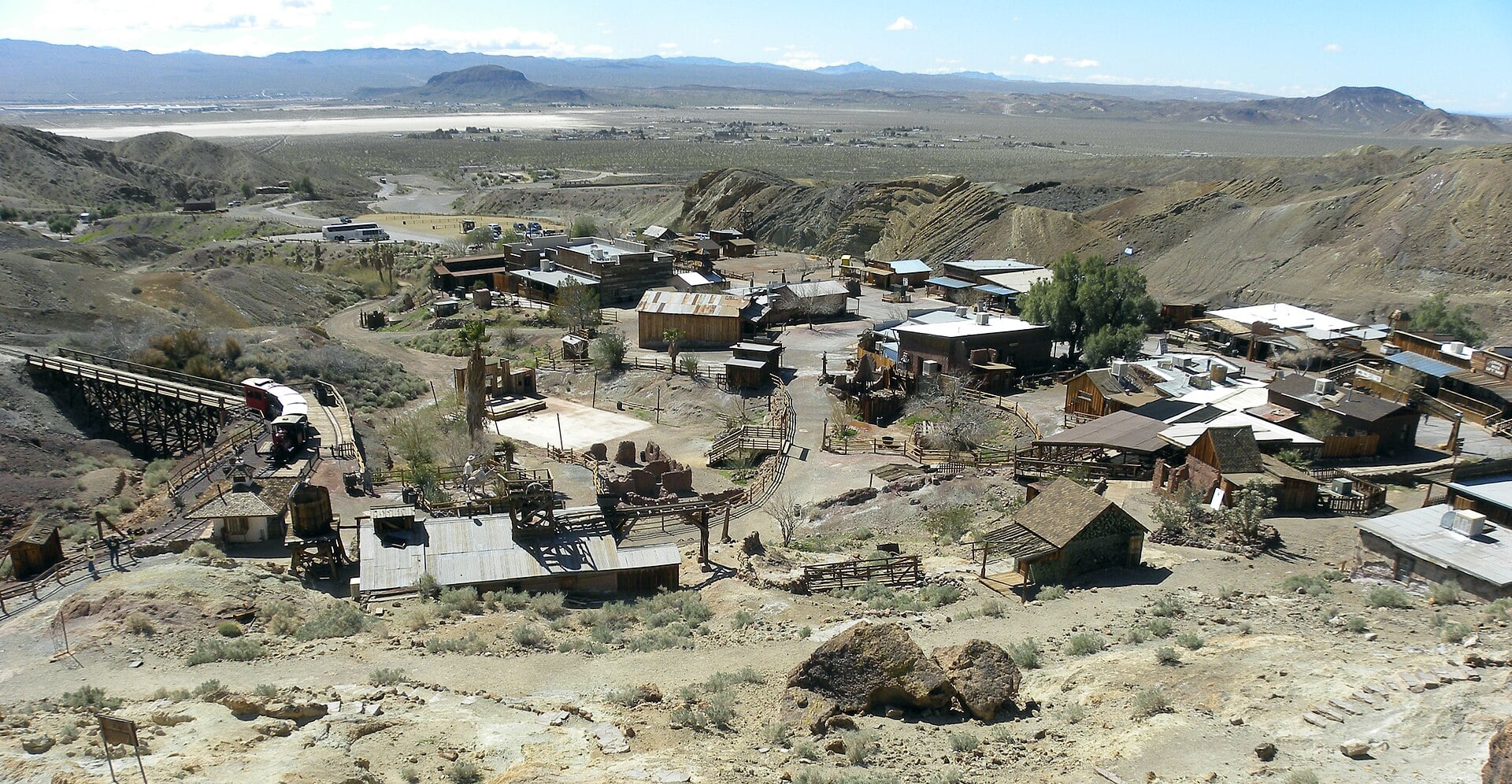
Yermo, CA
Calico was founded in 1881 as a silver mining boomtown in the Mojave Desert. The Silver King Mine became California's largest silver producer, generating 70% of the state's silver output during the mid-1880s. The town achieved peak prosperity before declining as silver prices collapsed.
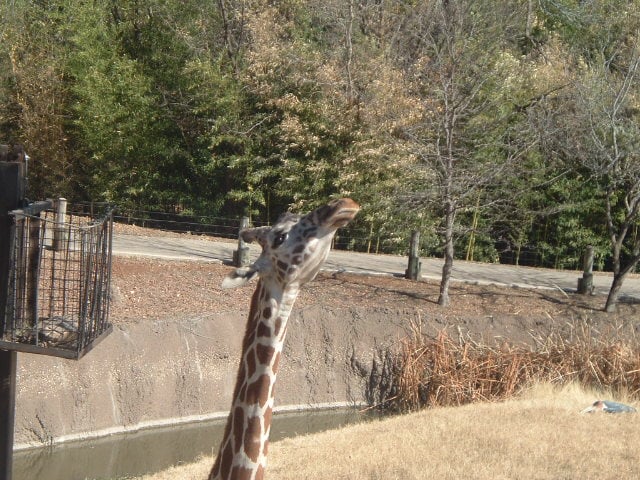
Waco, TX
Cameron Park, a 416-acre urban park, was dedicated May 27, 1910, in memory of lumber baron William Cameron. Flora B. Cameron donated 125 acres to Waco in his honor, with subsequent additions in 1917 and 1920 extending the park from Proctor Springs along the Brazos and Bosque Rivers to Lover's Leap. The park remains one of Texas's largest municipal parks and includes the 52-acre Cameron Park Zoo.
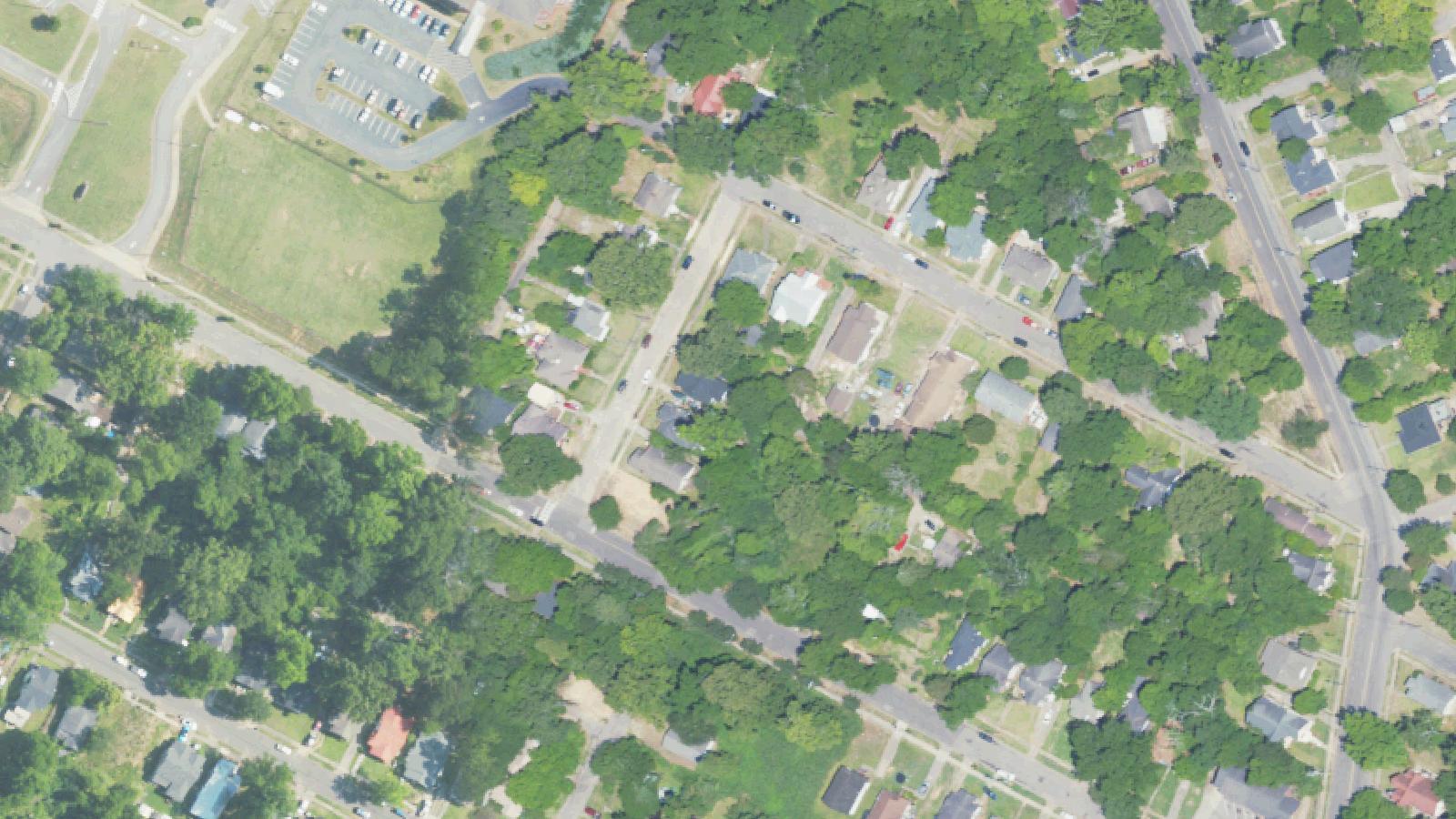 Aerial survey · USDA NAIP
Birmingham, AL
East Lake Park began in 1886 when the East Lake Land Company was incorporated by James Van Hoose, Robert Jemison Sr., and Rufus Hagood to sell home sites to Birmingham steelworkers. A 45-acre man-made lake — originally called Lake Como — was constructed by damming Roebuck Springs and Village Creek, with East Lake Railroad service inaugurated in 1887. The City of Birmingham purchased the property for $65,000 in 1917 and dedicated it as a public park on May 10, 1918.