Est. 1884 · Site of San Antonio's 1848 city cemetery and El Campo Santo · Honors Benjamin Rush Milam, killed at the 1835 Siege of Béxar · 1938 Bonnie MacLeary bronze statue · 1994 reinterment of Benjamin Milam's remains
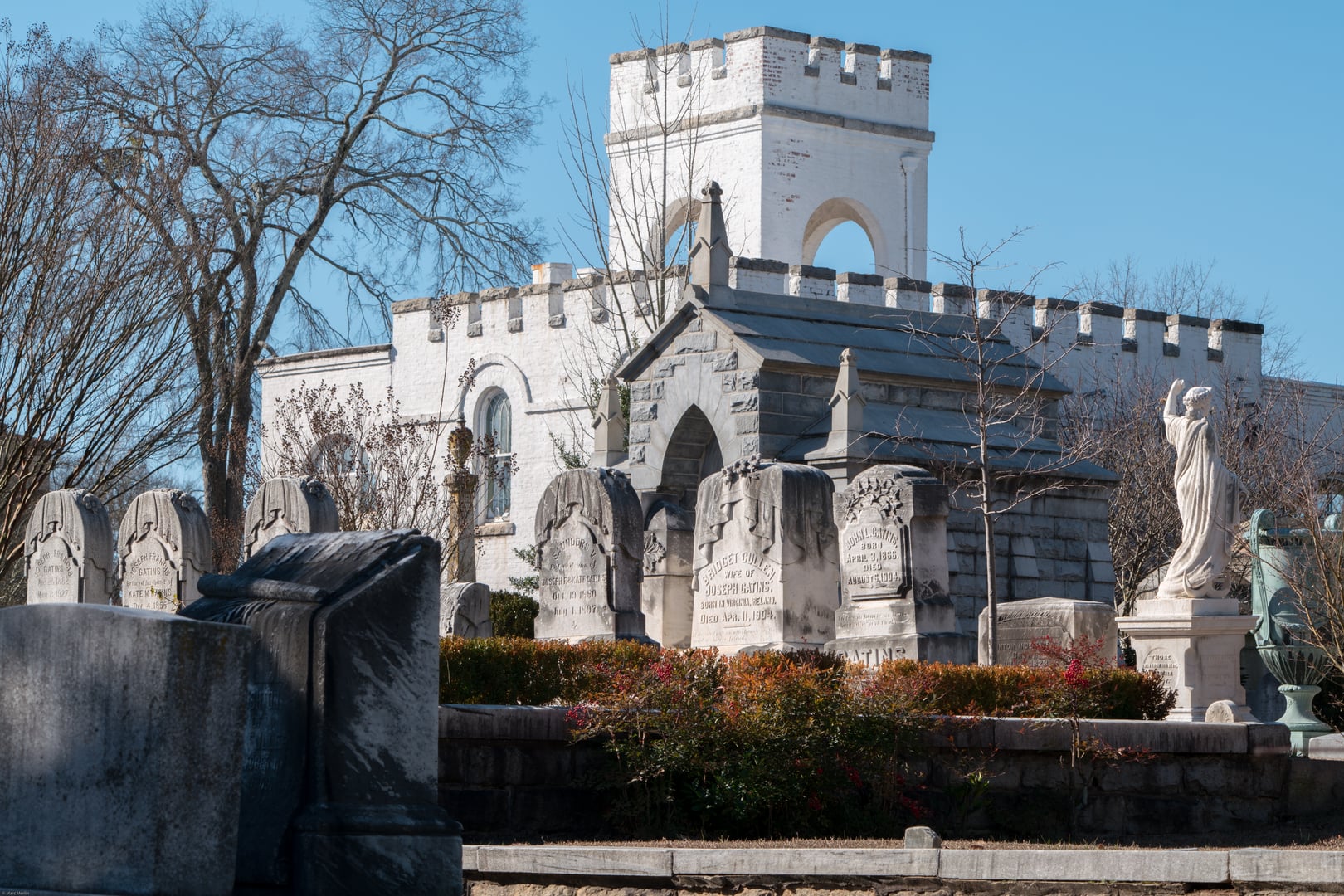
Long before it became a park, the block at West Commerce Street functioned as a burial ground. The city designated the site a cemetery in 1848, and it adjoined El Campo Santo, the Catholic burial ground serving San Antonio's Spanish and Mexican residents. As the city's population expanded through the mid-nineteenth century, the cemetery became overcrowded and was officially closed by the 1860s. Most families who had buried relatives there relocated the remains to other sites, though the completeness of that process remained contested in local accounts.
San Antonio formally established Milam Square in 1883, completing the conversion to a public park by January 7, 1884—the date of the official dedication. The park honors Benjamin Rush Milam, the Kentucky-born Texas Revolutionary who rallied settlers with the call 'Who will go with old Ben Milam into San Antonio?' during the December 1835 Siege of Béxar. Milam was killed by a sniper on December 7, 1835, and his remains were interred at the site, though they went unmarked for nearly forty years.
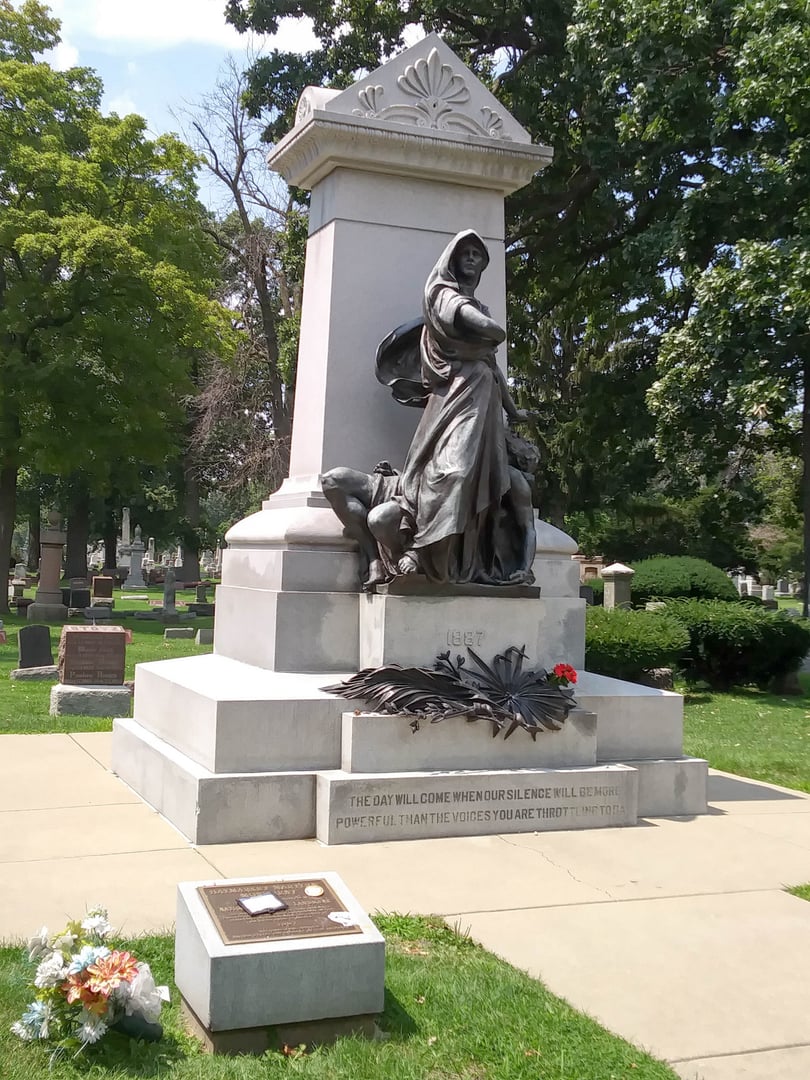
In the 1930s, Texas Centennial preparations brought renewed attention to the park. Sculptor Bonnie MacLeary completed a 13-foot bronze statue of Milam, unveiled September 8, 1938. But a 1970s city renovation project inadvertently displaced Milam's physical remains during 1976 construction. The bones were rediscovered in 1993 beneath what is now the Jalisco Pavilion, studied at the University of Texas at San Antonio, and reinterred at the base of MacLeary's statue on November 11, 1994.
The 1976 displacement controversy, combined with persistent local belief that not all burials from the original cemetery were removed, underpins the site's reputation in San Antonio paranormal writing.
Sources
- https://en.wikipedia.org/wiki/Milam_Park
- https://www.sacurrent.com/news/san-antonio-news/san-antonios-spookiest-haunted-places-and-urban-legends/
- https://www.ksat.com/holidays/2019/01/18/have-you-visited-any-of-these-haunted-locations-in-san-antonio/
Orb phenomena in photographyApparitions walking the grounds at night
Two independent local news sources—the San Antonio Current and KSAT—document Milam Park's reputation in San Antonio's paranormal community. The consistent element across both accounts is the cemetery-conversion narrative: the city removed headstones when it converted the burial ground to a public square, but local belief holds that the graves beneath were not fully cleared.
The San Antonio Current notes that local paranormal enthusiasts rank Milam Park as the top San Antonio location for orb phenomena in photography, and attributes the activity to the layered burial history of the site. KSAT's 2019 coverage of San Antonio haunted locations echoes this framing, quoting the belief that 'not all the bodies were removed and you can sometimes see the spirits walking around the area.'
The historical record gives this lore a grounding that most haunted-park claims lack: Benjamin Milam's own remains were genuinely displaced during a 1970s renovation, lost for seventeen years, and recovered from beneath a park pavilion in 1993. Whether other burials remain beneath the park is undocumented in the historical record, but the demonstrated incompleteness of the 1848-era exhumation process adds a factual layer to the legend.
Notable Entities
Benjamin Rush Milam (historical — remains displaced 1976, reinterred 1994)
Where this legend is told