Est. 1899 · Oblate Mission Heritage · Named the City of Mission · Texas Historical Site · Spanish Land Grant Property
The property comprising La Lomita traces to a Spanish land grant awarded in 1767, part of the porción system that organized the lower Rio Grande valley. The Oblates of Mary Immaculate — a French-origin missionary order that began working the Rio Grande region in 1849 — acquired the land through bequests and purchases between 1861 and 1884.
The Oblates used a small chapel on the original La Lomita grant as a meeting place between their missions at Brownsville and Roma. After they bought the neighboring grant in 1884, the hill site had two pole-and-mud buildings that housed a hired overseer and visiting priests serving the ranching communities of Hidalgo County. The site's elevation gave it both visibility and its name: La Lomita, the little hill.
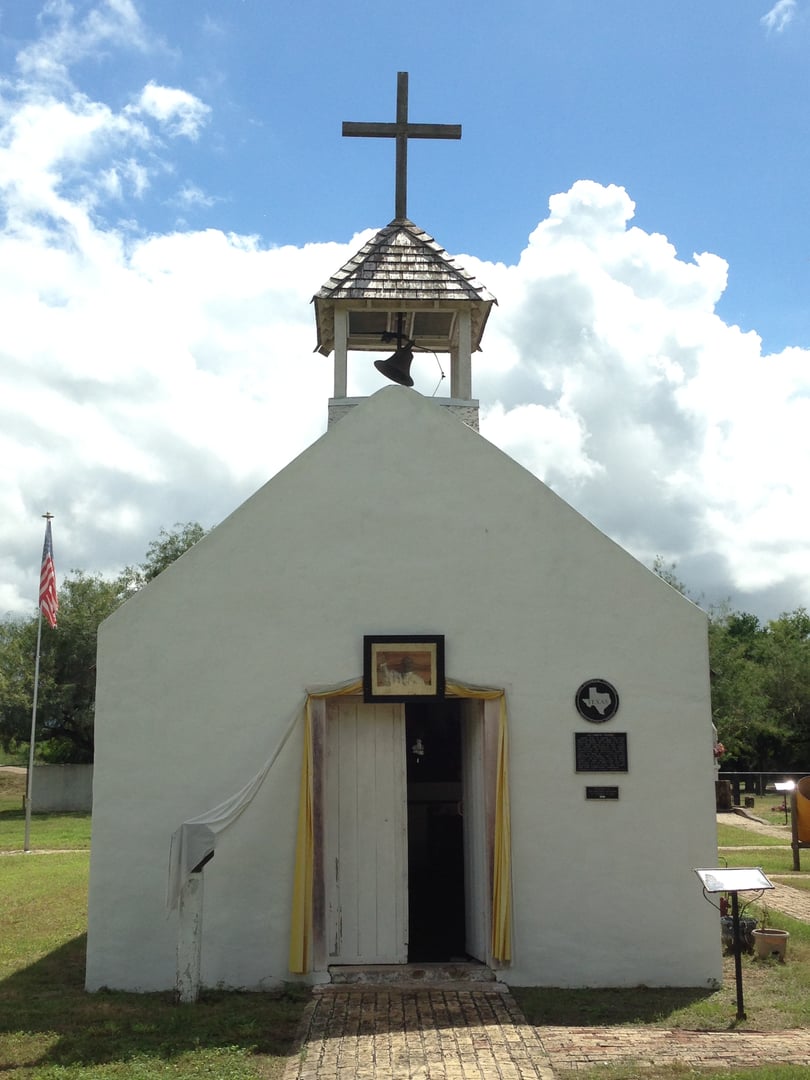
In 1899, when the ranch became the residential headquarters of a new Oblate mission district covering Hidalgo County, the Oblates built the chapel from stones dug from the hill. That structure still stands. In 1907 the Oblate Province sold approximately 17,000 acres of the La Lomita Ranch to developers James W. Conway and John J. Hoit; the new townsite they platted three miles away was named Mission in honor of the Oblate mission work on the property. A three-story Oblate novitiate was built on the hill in 1912. The chapel was restored in 1928, damaged by a 1933 hurricane, repaired in 1939, and comprehensively restored again in 1976 when the City of Mission leased the site from the Oblates and opened it as a municipal historical park. La Lomita was listed on the National Register of Historic Places in 1975.
The Texas State Historical Association, UTRGV Special Collections, and the Oblate order maintain archival records of the site's full operational history.
Sources
- https://www.tshaonline.org/handbook/entries/la-lomita-mission
- https://utrgv.libguides.com/SCA/lalomita
- https://texastimetravel.com/directory/la-lomita-chapel/
ApparitionsCold spotsPhantom sounds
The paranormal accounts attached to La Lomita center on robed figures reportedly seen moving across the grounds at night. These observations have circulated in South Texas paranormal documentation for decades, though they lack the specificity of accounts tied to named witnesses or dates.
The most cited figure is a nun, described as being observed during daylight hours in a posture of prayer. Some interpreters read this as a Marian apparition rather than the shade of a specific deceased individual — a reading consistent with the site's standing as an active Catholic devotional landmark where Masses have been celebrated periodically.
The grounds are a freely accessible municipal historical park. Visitors report the site as contemplative rather than unsettling.