Est. 1846 · First major U.S. military post on the Rio Grande · Site of the opening engagements of the Mexican-American War (1846) · Site of the 1863 Battle of Brownsville (Civil War) · Interpreted by Palo Alto Battlefield National Historical Park
Fort Brown was originally established in 1846 as Fort Texas by General Zachary Taylor during the months of tension that preceded the Mexican-American War. The post sat on the north bank of the Rio Grande directly across from the Mexican city of Matamoros and was the first major United States military post built on the Rio Grande after the annexation of Texas. The annexation in 1845 led directly to dispute over the southern boundary of the new state, which the United States insisted was the Rio Grande and Mexico did not recognize.
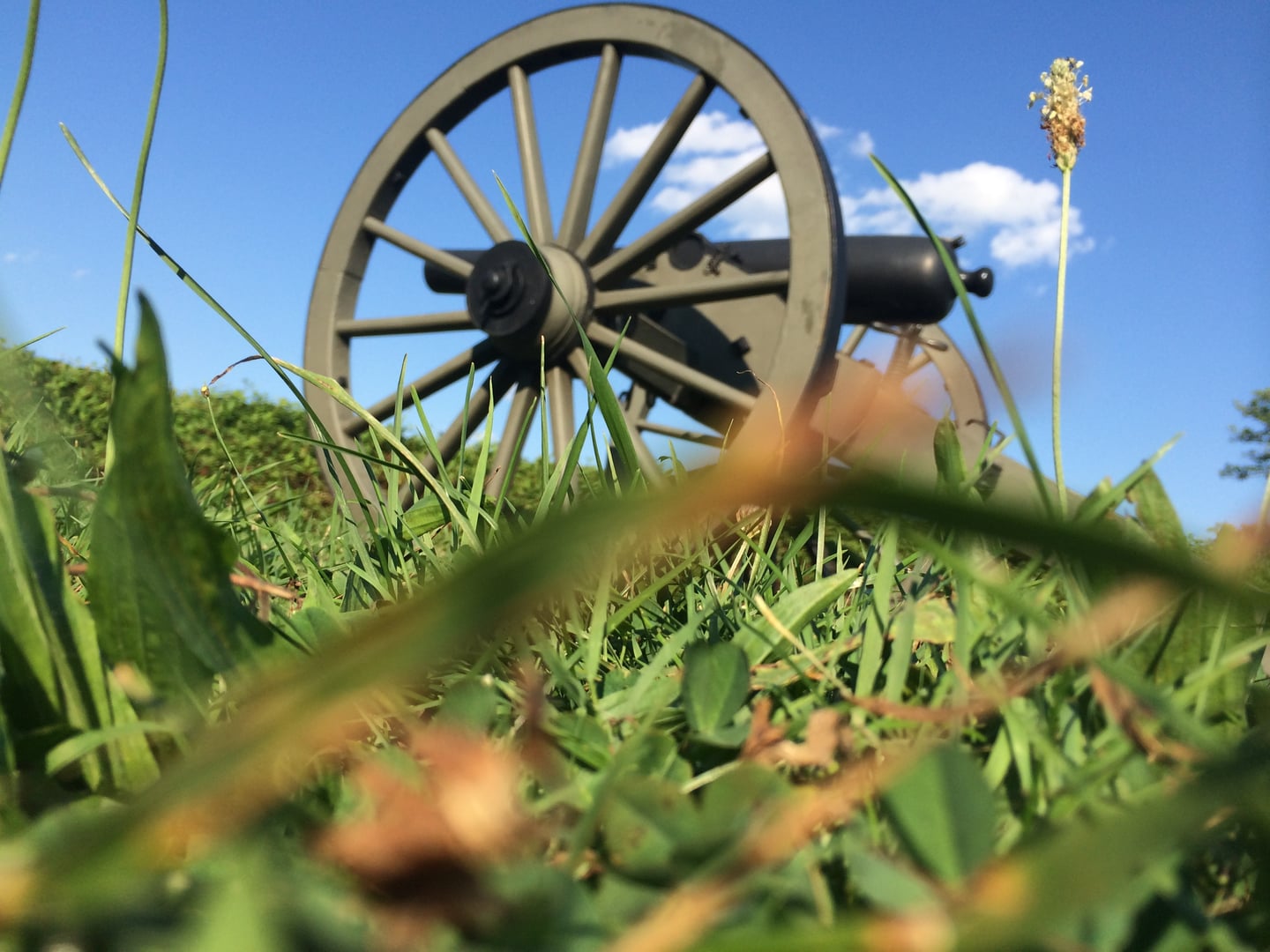
On May 3, 1846, Mexican General Mariano Arista began the Siege of Fort Texas, the first active engagement of the Mexican-American War. The fort's commander, Major Jacob Brown, suffered a leg wound from a cannonball and died on May 9. When General Taylor returned to relieve the besieged garrison, the post was renamed Fort Brown in honor of its fallen commander. The associated Battle of Palo Alto occurred approximately five miles north on May 8, and the Battle of Resaca de la Palma followed on May 9; both are now interpreted by the National Park Service as part of Palo Alto Battlefield National Historical Park.
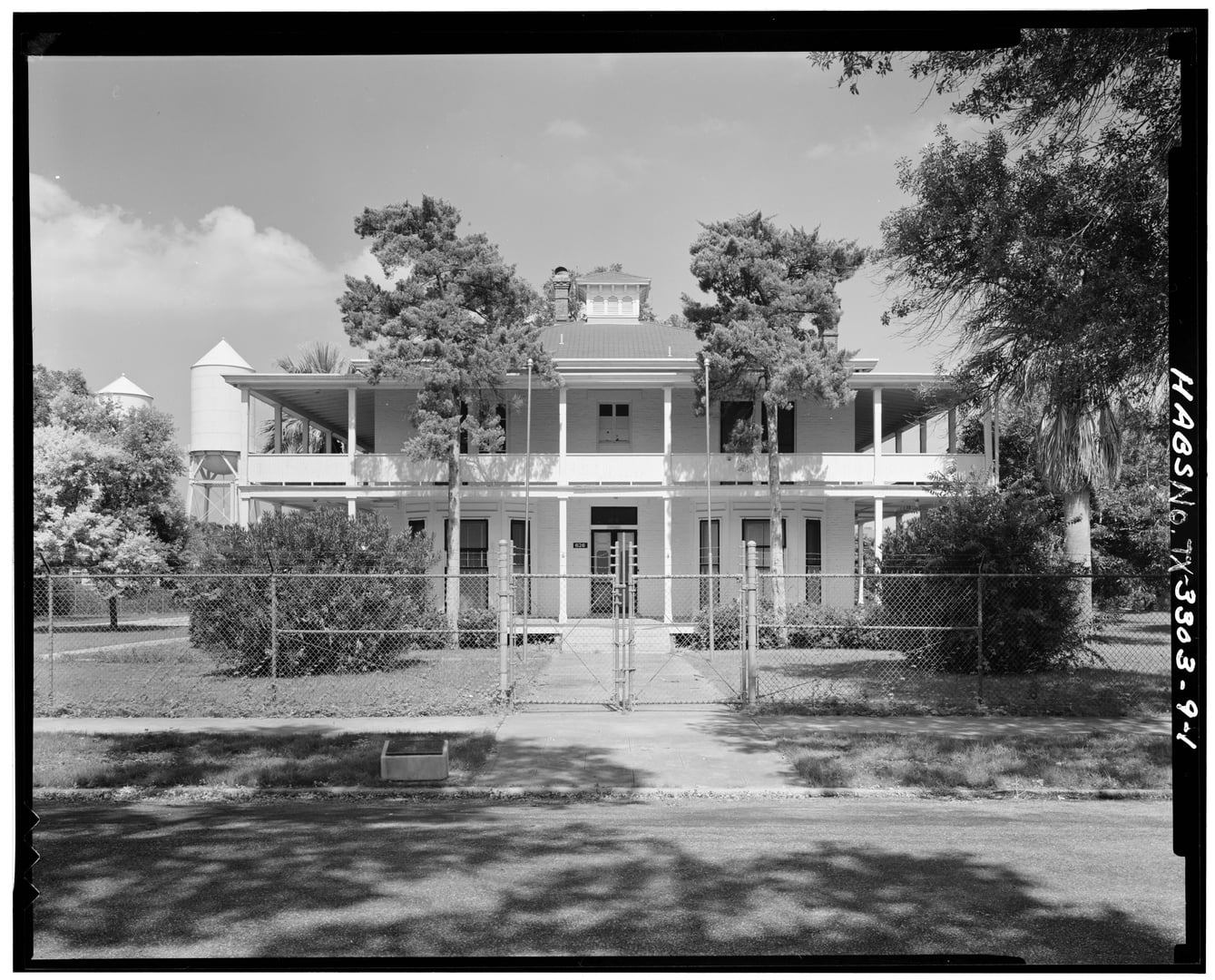
Fort Brown remained a significant United States military post through the Civil War, when it was the focus of the November 1863 Battle of Brownsville. Confederate forces blew up the fort with approximately eight thousand pounds of explosives before retreating in advance of Union troops landing at Port Isabel. The post was rebuilt in the late nineteenth century and operated through the Spanish-American War and into the twentieth century. In 1948, the front 162 acres of the fort were deeded to the City of Brownsville, and the old post hospital was granted to what is now the University of Texas Rio Grande Valley. The surviving physical remnants today consist of a small section of earthen wall and several reused buildings on the UTRGV campus.
Sources
- https://en.wikipedia.org/wiki/Siege_of_Fort_Texas
- https://www.nps.gov/places/fort-brown.htm
- https://www.tshaonline.org/handbook/entries/fort-brown
Sounds of distant cannon fireShouting in open battlefield areasApparitions in 19th-century military dress
Local tradition at Fort Brown reflects the kind of folk reports common to Mexican-American War and Civil War battlefield sites in southern Texas. Accounts collected in regional ghost-story compilations include sounds described as distant cannon fire or shouting in the open areas of the former fort late at night, and the appearance of figures in nineteenth-century military uniform near parked vehicles on the UTRGV campus. The accounts do not typically describe interaction with witnesses.
None of the accounts is corroborated in newspaper coverage and they should be understood as folk tradition. The site is interpreted by the National Park Service and by the University of Texas Rio Grande Valley as a battlefield-preservation landscape; visitors should defer to the historical programming rather than expect investigation access.
Notable Entities
Major Jacob Brown (documented)