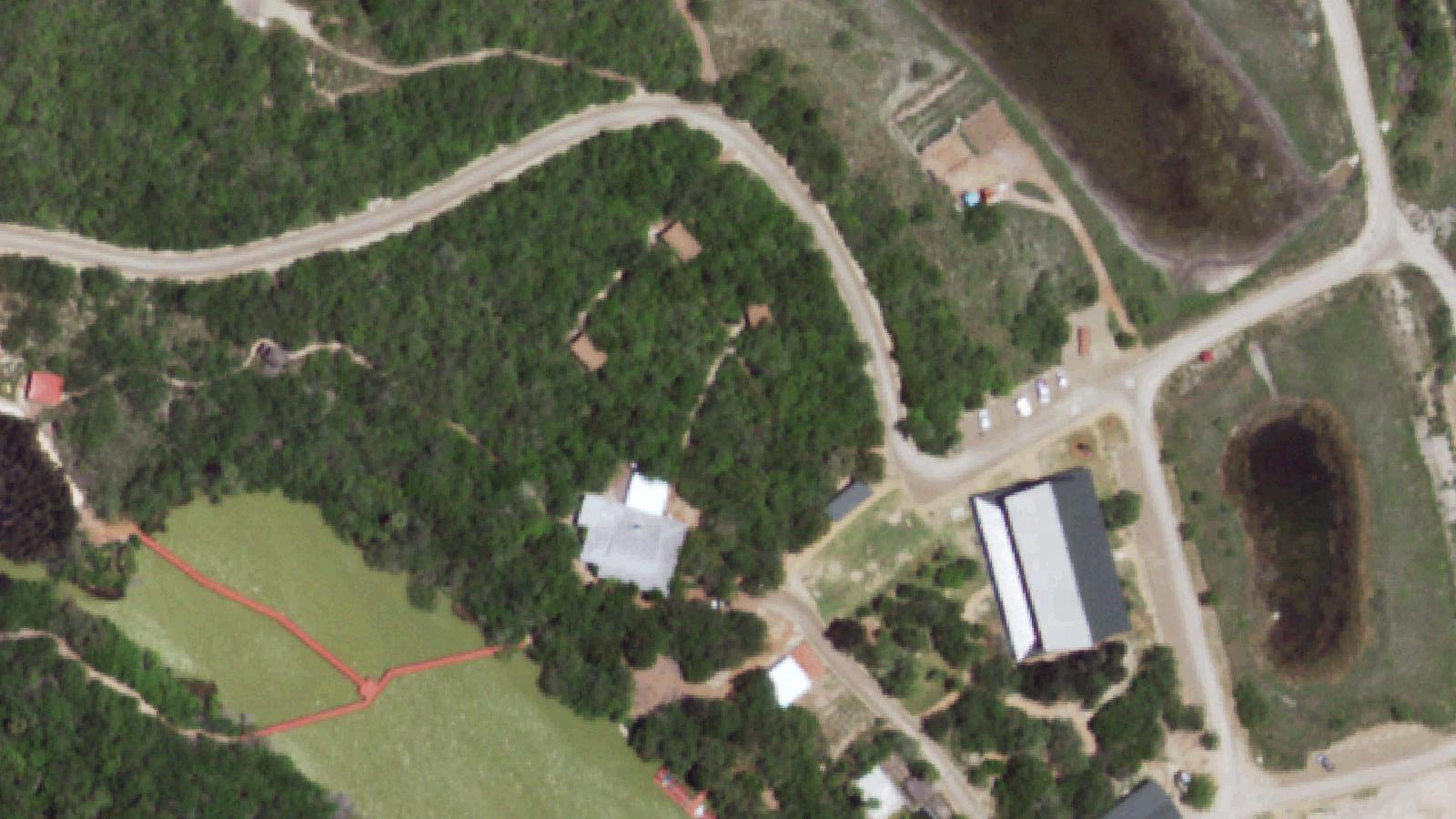
Camp Lulu's paranormal reputation rests on a narrative of historical tragedy. According to local paranormal folklore, the camp closed after a counselor became unstable and murdered a group of girl campers, allegedly stabbing or assaulting them in wooded areas of the property. The narrative claims that twelve girls died in this incident, precipitating the camp's closure. Alternative versions of the legend place the timeline differently, with some accounts suggesting the closure occurred in the 1980s, others in the 1990s, without consensus on specific dates or victim counts.
Contemporary visitor accounts describe paranormal manifestations: phantom screams and disembodied voices of distressed children, particularly during nighttime hours. Witnesses report sensations of being observed, emotional disturbances, and auditory phenomena suggesting suffering or distress. The consistency of these accounts across multiple independent visitors—many unfamiliar with the paranormal folklore prior to their experiences—suggests either genuine paranormal activity, strong psychological suggestion, or environmental factors that produce similar experiential reports.
However, historical documentation presents a substantially different narrative. The camp was founded in the 1920s by philanthropist Lula Sams and operated as a Girl Scout facility from the 1950s onward. Documentary evidence indicates the camp closed for administrative and economic reasons—not as a result of violent tragedy. No police records, newspaper accounts, or historical documentation corroborate the murder narrative. No documented victims, no perpetrator identification, and no investigative record supports the claims circulated in paranormal folklore.
The origins of the murder legend remain unclear. It may represent conflation of the camp's legitimate historical decline with broader American paranormal folklore traditions (unsolved traumas, murdered children, restless spirits). It may derive from misinterpreted information, garbled retellings across decades, or creative embellishment by paranormal enthusiasts seeking to construct a compelling narrative around an abandoned property.
The current Camp RIO operation and historic museum preserve the genuine Girl Scout heritage without promoting the paranormal narrative. Whether contemporary paranormal reports reflect actual phenomena, psychological suggestion amplified by folklore, or environmental factors conducive to specific types of experiences remains an open question.