Est. 1965 · Oregon Community College System · Lane County Education · 1960s Campus Architecture
Lane Community College emerged from decades of advocacy for vocational and community education in Lane County, Oregon. A 1938 Depression-era predecessor, the Eugene Vocational School, operated out of the original Geary School building to serve unemployed adults. The modern college took shape after the Oregon Legislative Assembly passed a 1959 bill establishing community colleges as a statewide system offering vocational training, college transfer courses, and adult education.
Lane County voters approved the college's formation in October 1964. The Board of Education's first selection as college president was Dale Parnell, formerly principal of Springfield High School and superintendent of Lane Intermediate Education District. Initial classes began on September 20, 1965, at leased facilities at 200 North Monroe in Eugene, with approximately 1,500 students enrolled in the first academic year.
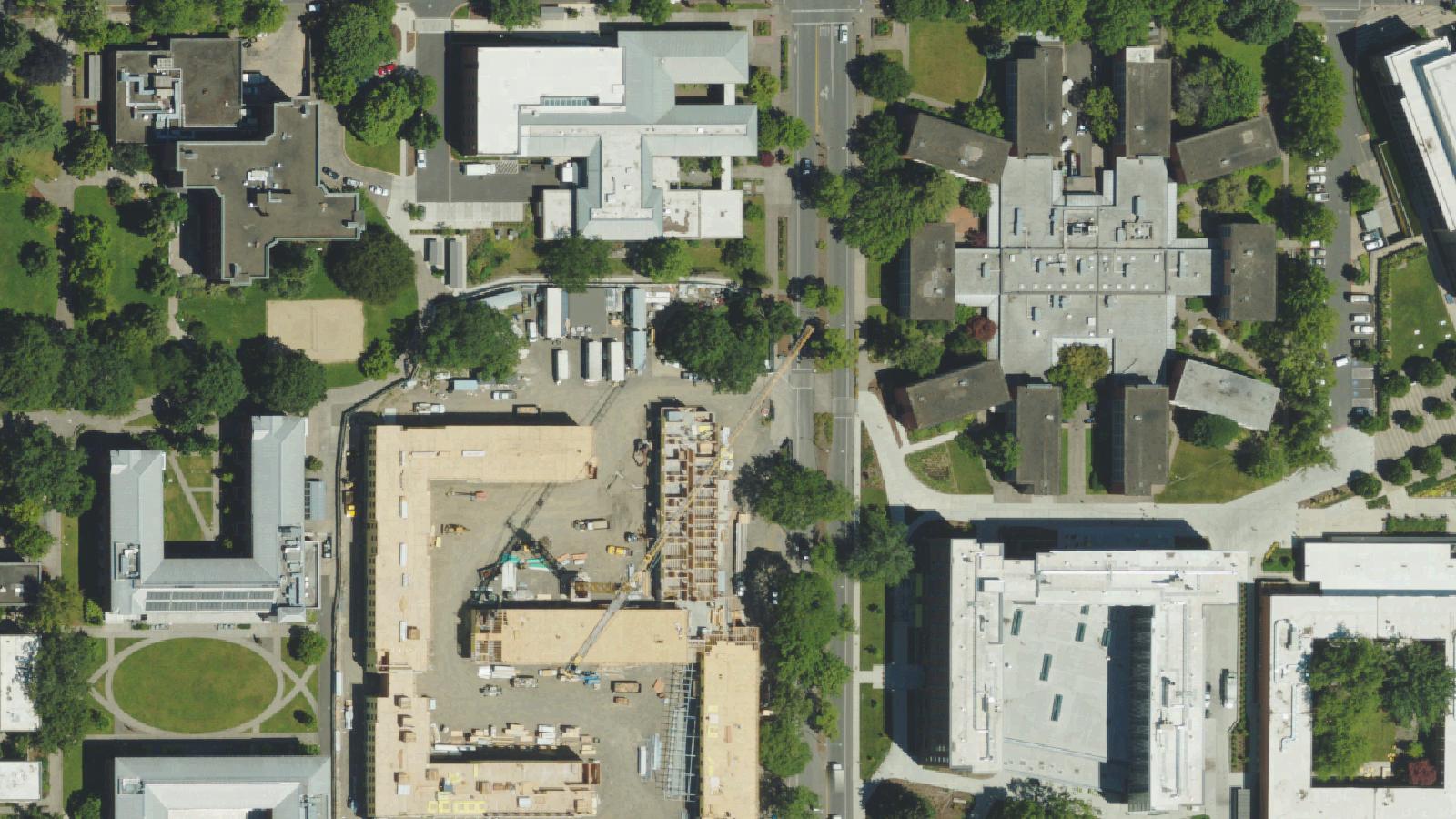
Wilfred Gonyea, a Eugene industrialist, donated a 105.81-acre tract of land southeast of the city to serve as the college's permanent campus location. Voters approved a $9.9 million construction bond in 1966, and the main campus opened on East 30th Avenue in September 1968. Additional campuses followed in Florence (1976), Cottage Grove, and downtown Eugene — the downtown center operating adjacent to the Eugene Public Library.
The institution serves the greater Lane County region with vocational programs, lower-division transfer courses, adult basic education, and a broad slate of community programs. The campus remains in continuous operation.
Sources
- https://en.wikipedia.org/wiki/Lane_Community_College
- https://www.lanecc.edu/archives/narrative-history-lane-community-college
- https://library.lanecc.edu/archives/timelines/narrative-history
- https://www.lanecc.edu/archives/history-highlights
- https://www.lanecc.edu/about-lane/60th-anniversary/history
Phantom voicesObject movementEquipment malfunction
The Lane Community College elevator legend has been a fixture of Eugene-area campus folklore since at least the 1970s. The legend holds that a maintenance worker died in the elevator shaft of the campus center building during the 1960s, the period of initial campus construction and earliest operation. Two specific phenomena follow from the legend.
The first is mechanical: students and staff report that, after sunset, the elevator car descends to the basement regardless of which floor was selected. The pattern has been described consistently across student generations and across different elevators in the central building, sometimes attributed to a single specific car.
The second is auditory: sounds resembling a person calling for help — interpreted as the trapped worker's voice — are reported near the elevator doors, particularly on the floors near the alleged accident site. The accounts cluster around night hours and shoulder seasons when foot traffic in the center building is light.
The specific name of the maintenance worker, the date of the alleged accident, and any documentary record of the death have not been located in available newspaper archives or college records. The college's narrative history, maintained by the institutional archives, does not reference any worker death during the construction or early operational period. The legend exists as student and staff oral tradition rather than documented historical fact.