Est. 1869 · Sisseton Agency Headquarters · Sisseton Wahpeton Oyate · Dakota Sioux Heritage · Indigenous Governance
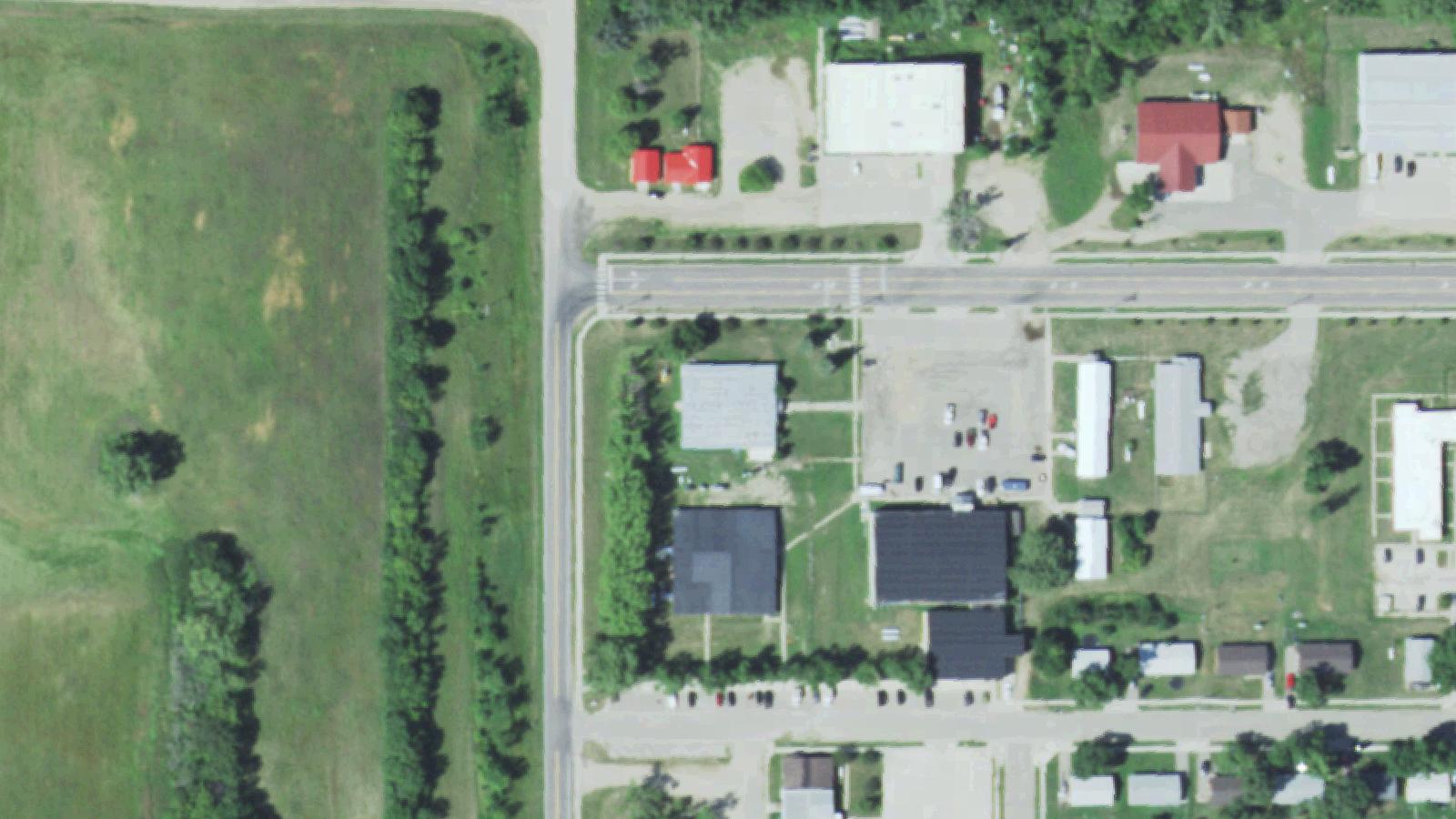
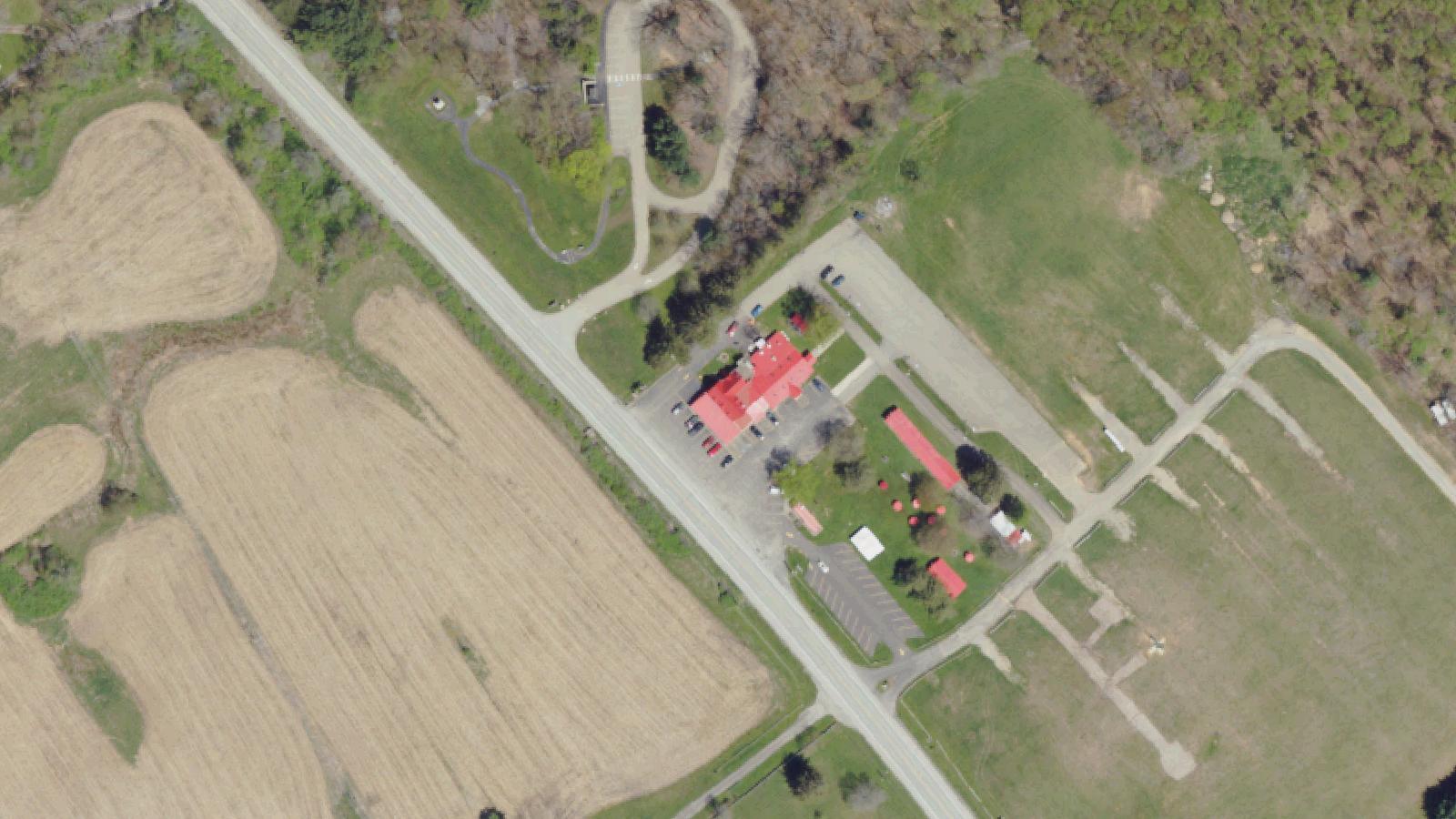
Old Agency Village occupies a pivotal position in the history of the Sisseton Wahpeton Oyate (Dakota Sioux). Established as the Sisseton Agency in 1869, the site served as the administrative and political headquarters for the federal government's management of tribal affairs and Indian affairs policy on the Lake Traverse Reservation. The Agency operated from this location until 1923, when administrative operations relocated.
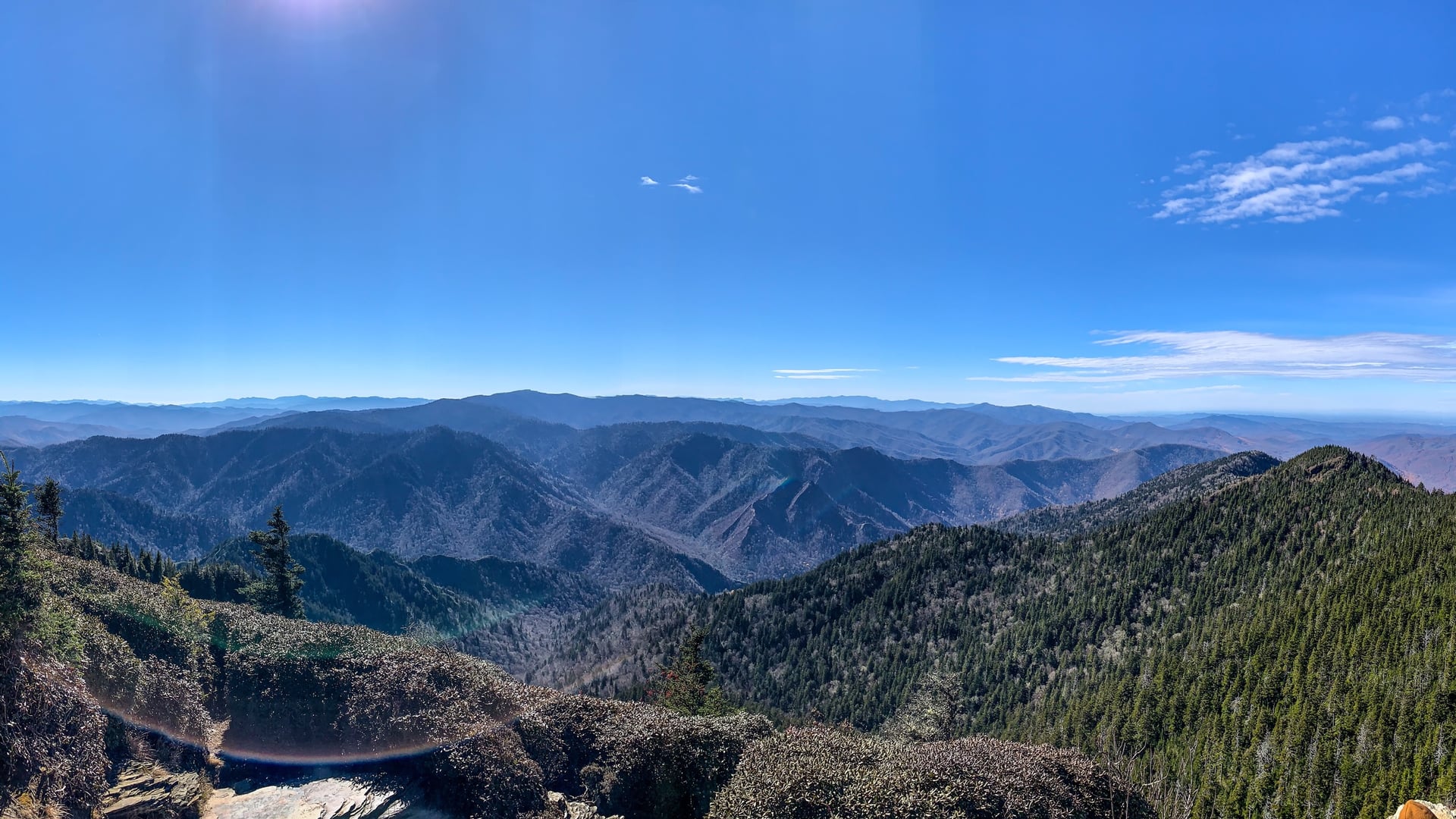
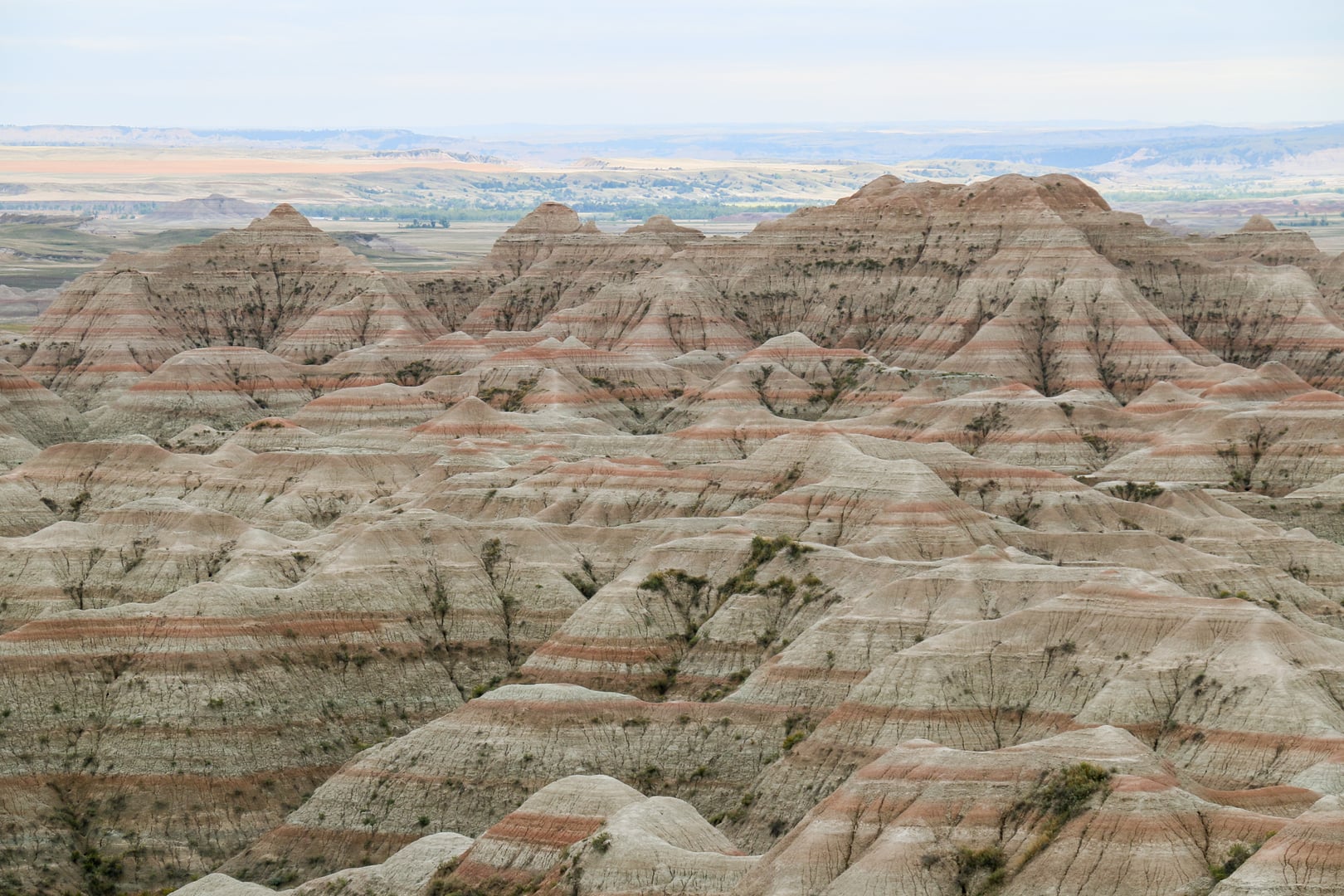
The landscape surrounding Old Agency—rolling hills, mixed woodland, and the characteristic topography of the northern Great Plains—has historically served as hunting grounds for Dakota Sioux and later European American settlers. The wilderness retains minimal development and maintains much of its original character. The region experiences dramatic seasonal variation, harsh winters, and variable weather patterns characteristic of northeastern South Dakota.
Sources
- https://en.wikipedia.org/wiki/Agency_Village,_South_Dakota
- https://swo-nsn.gov/government/seven-districts/old-agency-district/
- https://www.robertscountysdguide.com/
Sensed presencePhantom voicesPhantom soundsApparitions
The paranormal reputation of the Old Agency wilderness centers on an unresolved disappearance—a hunting expedition that resulted in fatality and has become embedded in regional folklore. According to the account, a man and his young son set out to hunt in the hills surrounding Old Agency Village. The hunting party did not return. The man's wife, waiting for their return, eventually raised alarm after days passed without contact.
Search efforts, according to local tradition, revealed no bodies and minimal physical evidence. However, witnesses reported having heard loud screams—described as a man and child in acute distress—emanating from the forested hills. Local interpretation of these accounts attributes the deaths to an encounter with bigfoot or an unidentified large creature, a folkloric explanation that adds a layer of cryptozoological mystery to an otherwise straightforward disappearance.
Subsequently, hunters venturing into the same hills report a persistent sensed presence—a feeling of observation and unease concentrated in specific forest areas. Some describe hearing phantom voices calling out or communicating without visible speakers. Others report fleeting visual impressions of human figures moving through the trees—a man and child in hunting attire or period clothing. The apparitions appear most frequently in low-visibility conditions: twilight, fog, or deepening darkness.
Whether the original incident was an actual historical event, a tale elaborated through repeated retelling, or a cultural expression of broader anxieties about wilderness, loss, and the boundary between civilization and untamed nature remains undetermined. The legend persists as a cautionary narrative about wilderness hazards and the persistence of unresolved human loss in the landscape.
Notable Entities
The Hunter and His Son