Self-Guided Visit
Self-Guided Church Visit
Walk the sanctuary at the Four Corners of Law, view the 18th-century pew box where George Washington and Robert E. Lee both worshipped, and step into the historic churchyard.
- Duration:
- 30 min
HauntBound archive · catalog record
Reported phenomena, as catalogued
Charleston's oldest surviving religious structure, a 1761 National Historic Landmark linked to the bride-in-white legend of teenager Harriet Mackie, who died June 4, 1804.
71 Broad Street, Charleston, SC 29401
Research updated May 2026
Age
All Ages
Cost
Free
Free to visit during open hours; donations welcomed. Sunday services and tours subject to schedule.
Access
Wheelchair OK
Paved sidewalks; historic church interior with traditional pews.
Equipment
Photos OK
Est. 1761 · Oldest surviving religious structure in Charleston · National Historic Landmark (1960) · Cornerstone laid 1752 by royal governor James Glen; opened 1761 · Pew has been used by George Washington and Robert E. Lee · Survived Revolutionary War, Civil War, and the 1886 Charleston earthquake
St. Michael's Episcopal Church stands on the southeast corner of Meeting and Broad streets at Charleston's 'Four Corners of Law,' on the site of an earlier 1681 wooden church built by St. Philip's parish. Construction of the present building began with the cornerstone laid by royal governor James Glen in February 1752; the exterior was largely complete by 1756, and the congregation began worshipping in the new structure in 1761. Although the architect is unknown, the design closely echoes 18th-century English pattern-book churches, particularly James Gibbs's St Martin-in-the-Fields in London, and the building's two-story Tuscan-columned portico was the first of its size in colonial America.
The 186-foot steeple has dominated Charleston's skyline for more than two and a half centuries. The bells inside were imported from England in 1764, taken to England as a Revolutionary War prize, redeemed by a London merchant and returned, sent to Columbia during the Civil War, cracked in the 1865 fire there, and ultimately sent back to England to be recast in their original moulds and rehung. Inside, the long center pew has hosted worshippers from George Washington to Robert E. Lee, and Tiffany decoration in the chancel dates to 1905.
The church survived the 1886 Charleston earthquake, repeated hurricanes, and the Civil War shelling of the city. Designated a National Historic Landmark by the U.S. Department of the Interior in 1960, it continues today as an active Anglican parish at the heart of Charleston's historic district.
Among its more poignant 19th-century burials is Harriet Mackie, a teenager who died on June 4, 1804 and was interred at the church; her headstone gives the years 1788 to 1804.
Sources
The church's signature ghost story belongs to Harriet Mackie, who died on June 4, 1804 at the age of sixteen or seventeen, reportedly within hours of donning her wedding finery. According to the Southern Spirit Guide and Old South Carriage retellings, her apparition - a young woman in a flowing white gown - is reported drifting across the churchyard and along the iron fences facing Broad and Meeting streets.
Inside the church, visitors and night-shift staff report the sound of a wedding march rising from the organ when no one is at the keys, soft footsteps moving down the center aisle, and the occasional cold touch on the hand or shoulder while passing through the historic pews. The Discover South Carolina tourism feature describes St. Michael's as a place where everyday worshippers acknowledge the building's 'layered history,' and ghost tour operators including Old South Carriage and Ghost City Tours regularly mention the Mackie story alongside the church's older 18th- and 19th-century burials.
No paranormal investigation reports of major incidents inside the active sanctuary have been published, and the parish itself does not promote the haunted lore. Visitors are encouraged to treat the building first as a working church and second as a destination on Charleston's ghost circuit.
Notable Entities
Walk the sanctuary at the Four Corners of Law, view the 18th-century pew box where George Washington and Robert E. Lee both worshipped, and step into the historic churchyard.
Some links on this page may earn HauntBound a small commission when you book, at no extra cost to you. Our editorial picks are independent. Full disclosure
Every HauntBound history is researched from documented sources. We clearly separate verified historical fact from paranormal folklore.
Free Guide
Verified stops across all fifty states, rated for families. Free.
One email to confirm, then the guide link. Unsubscribe anytime.
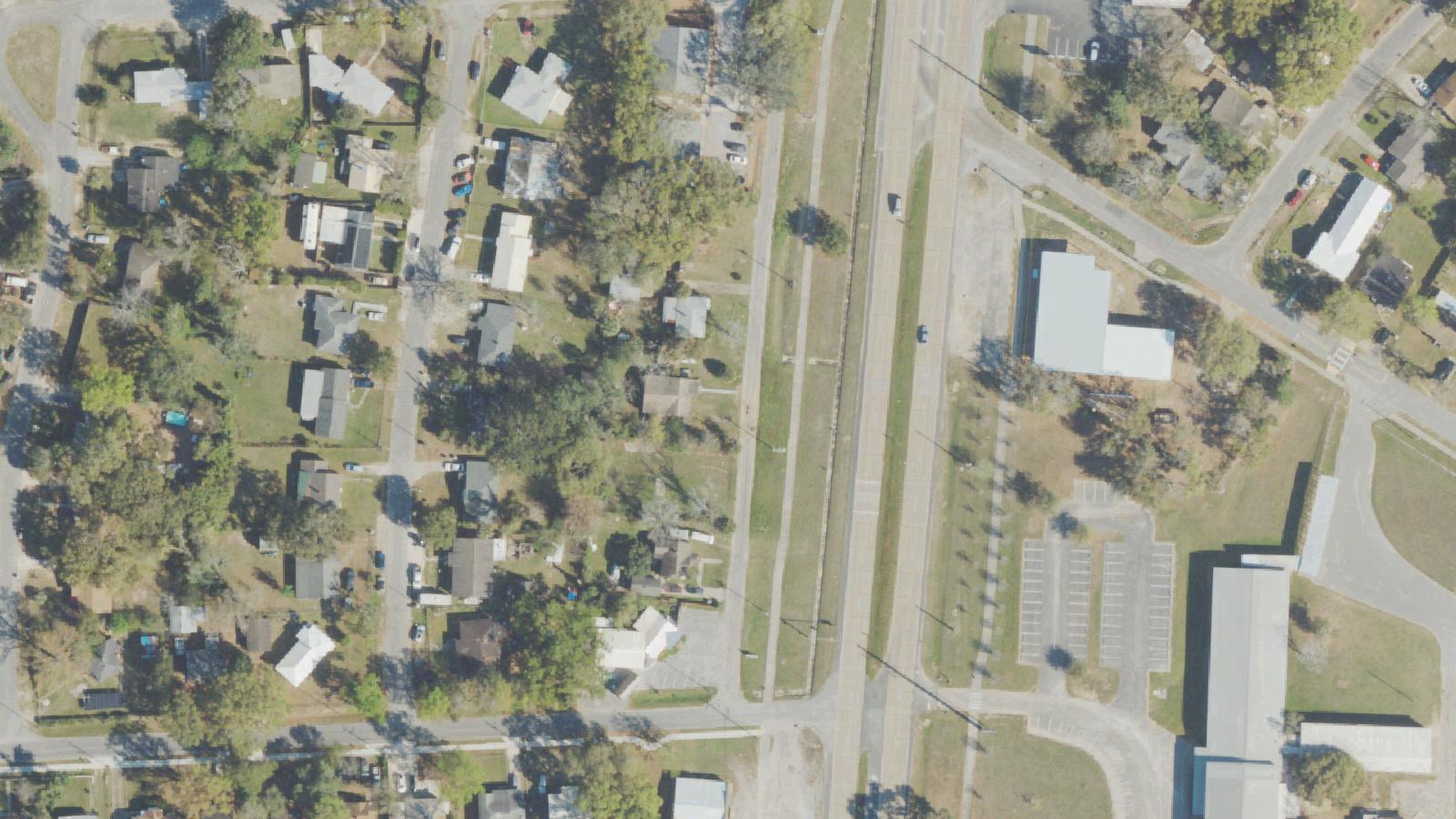 Aerial survey · USDA NAIP
Pensacola, FL
The Museum of Shadows is the creation of Nate Raterman, a demonologist and paranormal investigator with more than two decades of casework. Raterman opened the original location in Omaha, Nebraska, and the Pensacola branch opened in late 2024. The collection contains over 5,000 objects that Raterman and his team deemed genuinely active during investigations — ranging from allegedly cursed Ouija boards and haunted dolls to items used in criminal acts and human remains. The museum bills itself as the most haunted museum in the world.
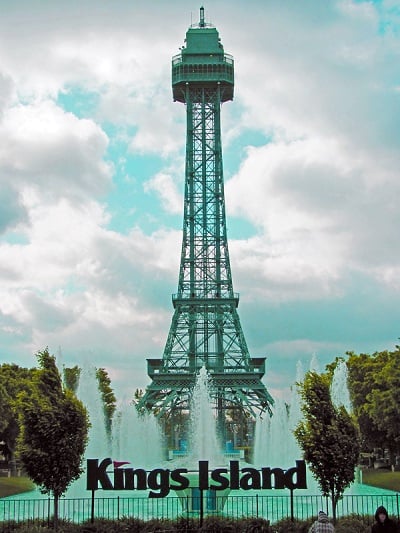
Mason, OH
Kings Island opened in April 1972 after Paramount Parks relocated from flood-prone Coney Island on the Ohio River. Construction of the 364-acre site in Mason, Warren County, required working around a pre-existing pioneer burial ground — Dogstreet Cemetery, dating to at least 1803 — which remains at the north end of the parking lot to this day.
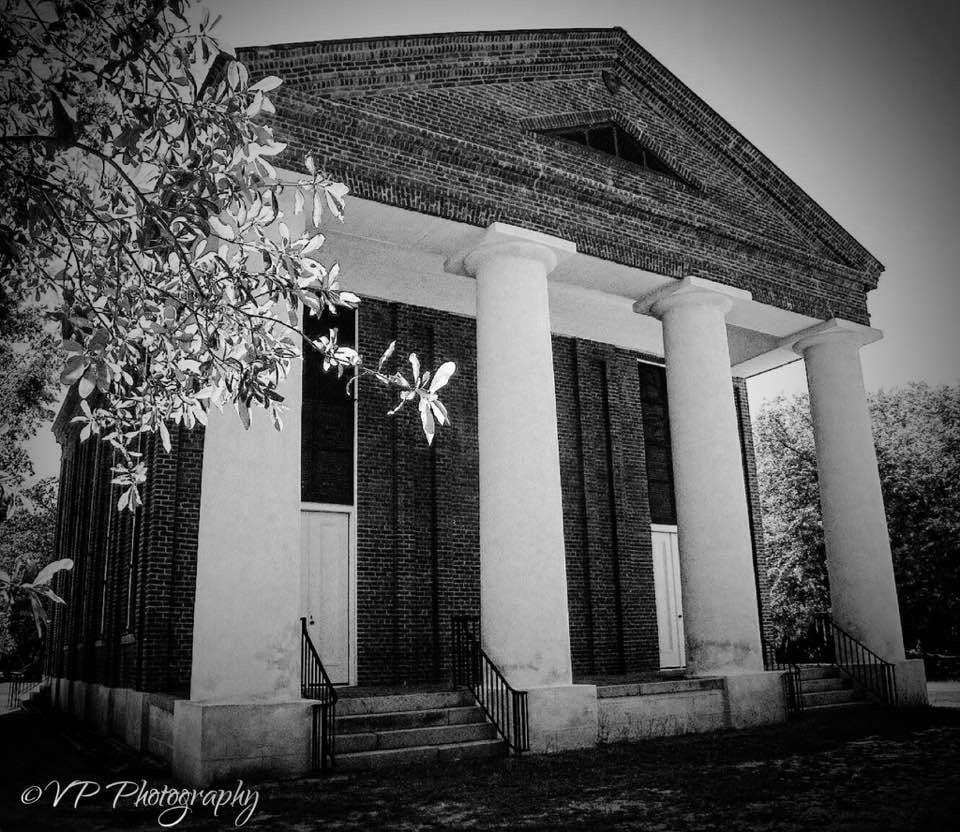
Mayesville, SC
Salem Black River Presbyterian Church was founded in 1759 by Scots-Irish settlers in what is now Sumter County, South Carolina. The current brick church building dates to 1846 and is one of the oldest standing church structures in the state. It is listed on the National Register of Historic Places and remains an active congregation.