Est. 1770 · Last Anglican church built under King George III in South Carolina (established 1768, completed 1774) · Hospital during the Revolutionary War and Civil War · Mass grave of British Highlander soldiers at front of church · National Register of Historic Places (1971)
St. David's Parish was established in 1768 and the brick church on Church Street in Cheraw was completed in 1774, just as hostilities between the Crown and the colonies were reaching a breaking point. It stands as the last Anglican church erected in South Carolina under royal authority — a distinction that gave it an odd historical position once the Revolution began.
During the Revolutionary War, St. David's was pressed into service as a hospital. Both Continental and British troops received treatment there; the Episcopalian successor congregation later documented this dual use. British Highlander soldiers who died during the occupation — primarily from chicken pox rather than battle wounds — were buried together in a single grave at the front of the church, a detail confirmed by both Wikipedia and the Discover South Carolina article.
The building was used as a hospital again during the Civil War. In the early 1800s, after the Church of England lost its official status in the newly independent United States, the Episcopal congregation that inherited the property added a steeple and a vestry room. The structure fell into disuse in the early 20th century and was restored in the 1970s by the Chesterfield County Historic Preservation Commission.
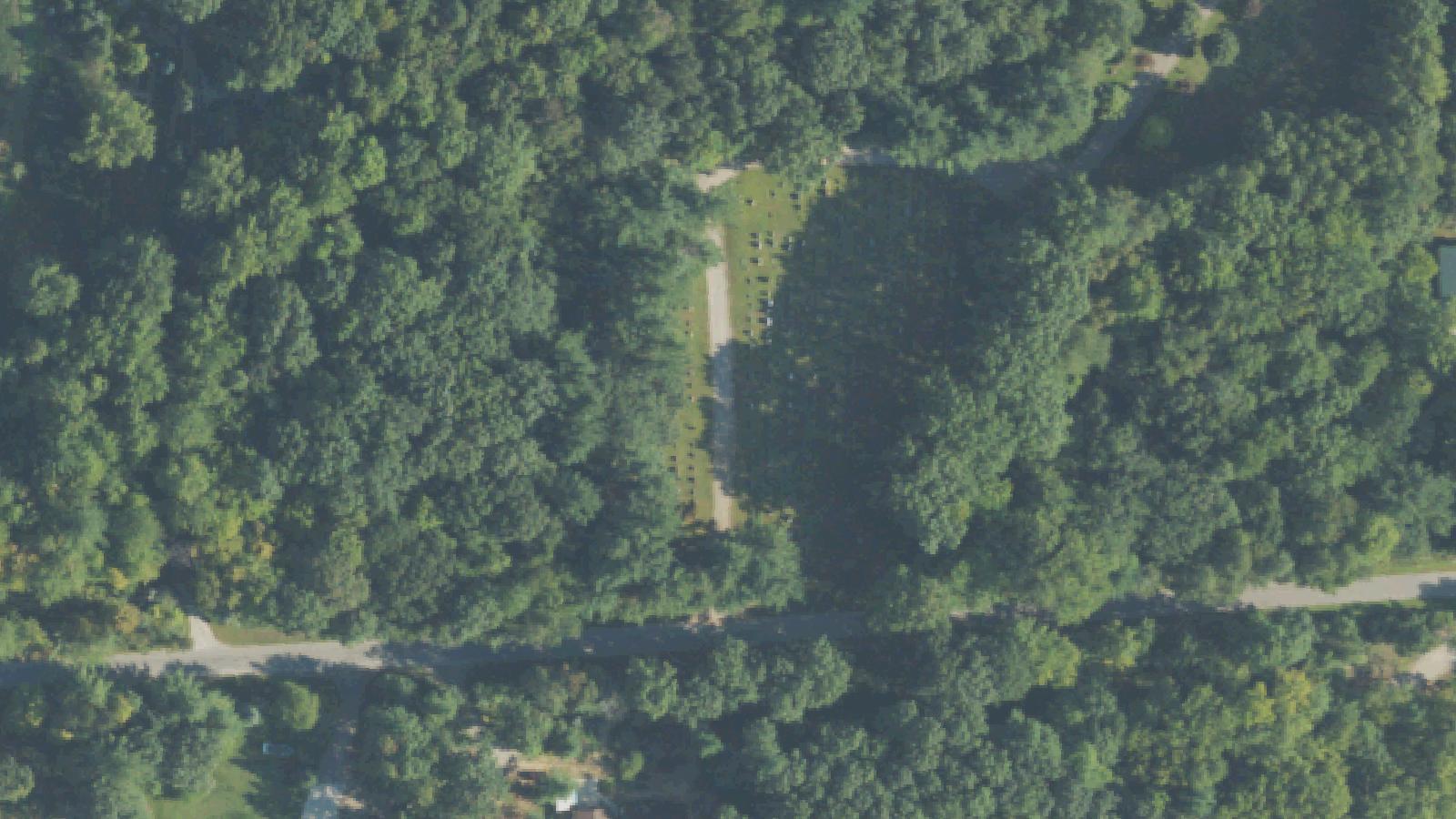
The eight-acre cemetery holds graves of considerable historical importance: Moses Rogers, who in 1819 commanded the SS Savannah on the first steamship crossing of the Atlantic Ocean; Alexander Gregg, the first bishop of Texas; and William P. Pollock, a U.S. Senator from South Carolina. The site was added to the National Register of Historic Places in 1971.
Sources
- https://en.wikipedia.org/wiki/St._David%27s_Episcopal_Church_and_Cemetery
- https://discoversouthcarolina.com/articles/hallowed-ground-old-st-davids-church-in-cheraw
Apparition of a headless British soldierSound of clattering weaponsSound of hoofbeats with no visible source
The ghost at St. David's follows the general pattern of Revolutionary War battlefield legends in the Pee Dee: a decapitated soldier, separated from his identity by the manner of his death, unable to leave the ground where he fell. The specific account describes a British soldier in Highlander uniform moving through the cemetery after dark, clutching a pistol, accompanied by ambient sounds — the clank of equipment, the percussion of hooves on ground — that have no visible source.
The legend likely draws on the documented presence of British Highlanders in the cemetery itself; the mass grave at the church's front is a real and confirmed burial. This is not a story projected onto an unmarked field but onto a site where the physical evidence of violent wartime death is still present above ground.
The haunted-places record for Cheraw does not list St. David's directly among its Camden-area cluster, but the headless soldier motif appears in the wider Pee Dee dark-tourism literature. The churchyard's eight acres, deep shade, and dense concentration of 18th-century markers create the conditions the genre requires.
Notable Entities
Unknown British Highlander soldier