Est. 1900 · South Carolina Textile Industry
The textile industry transformed the South Carolina upstate in the late 19th and early 20th centuries. Mills clustered along rail lines and waterways, drawing labor from the surrounding farmland and creating company villages around their walls. Lydia Mill in Clinton fit that template: an early 20th century cotton operation with on-site worker housing, situated near a rail line that connected the mill's output to broader regional markets.
Documentary records of Lydia Mill's specific construction date, original ownership, and operational history are sparse in publicly accessible archives. The mill operated through the mid-20th century and closed as the U.S. textile industry contracted in the late 20th century. Some of the mill village housing remains as private residences.
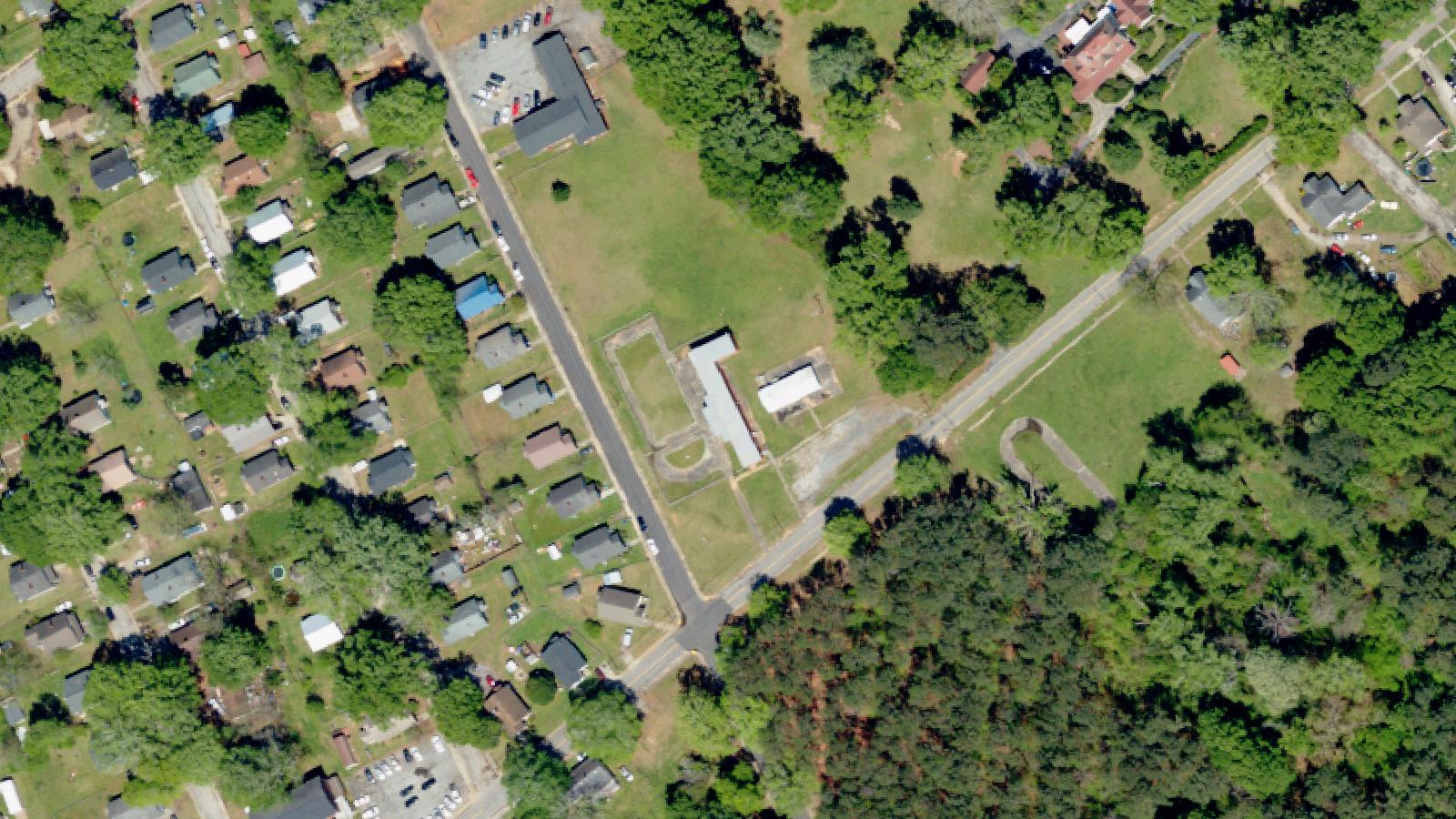
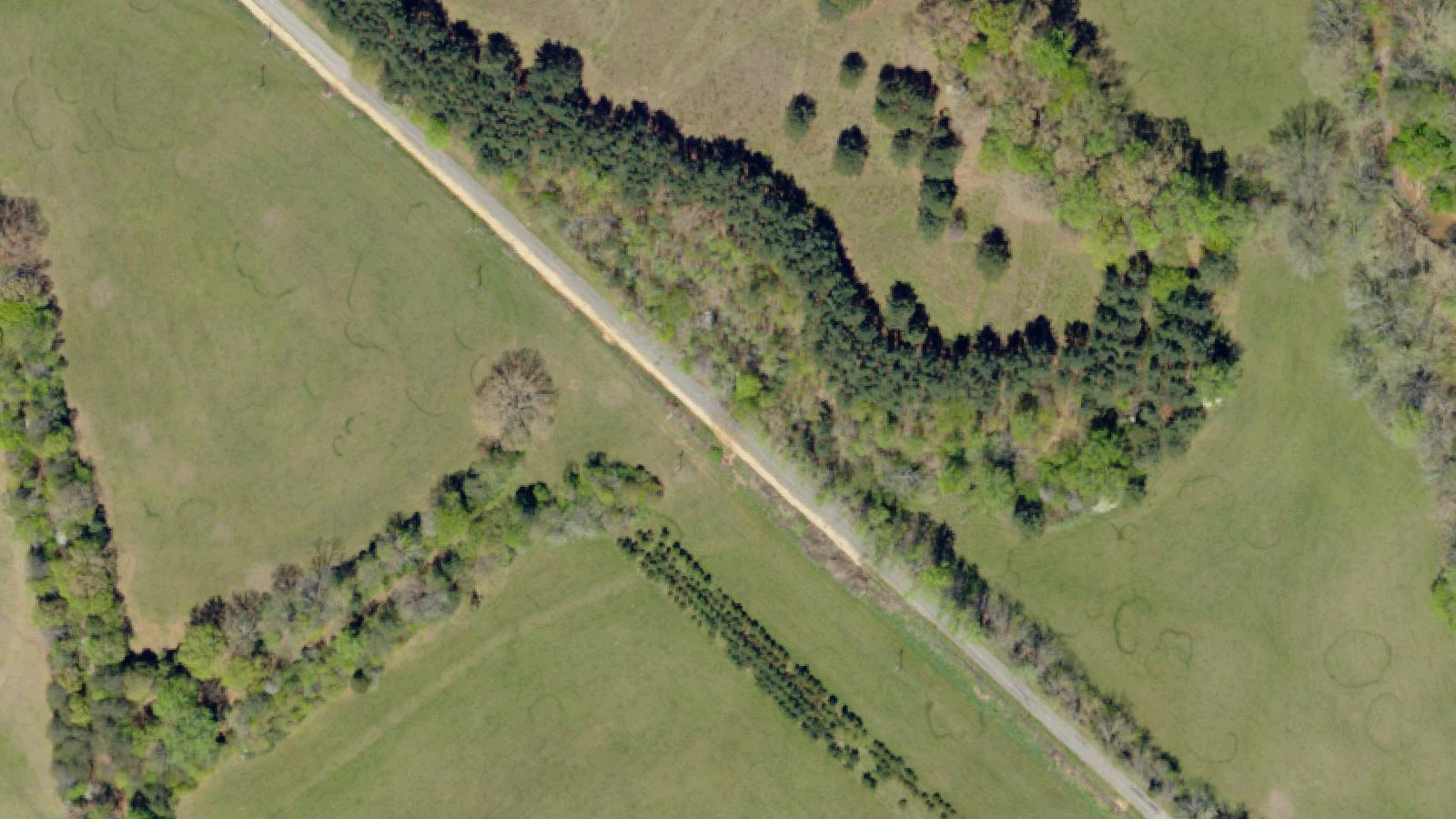
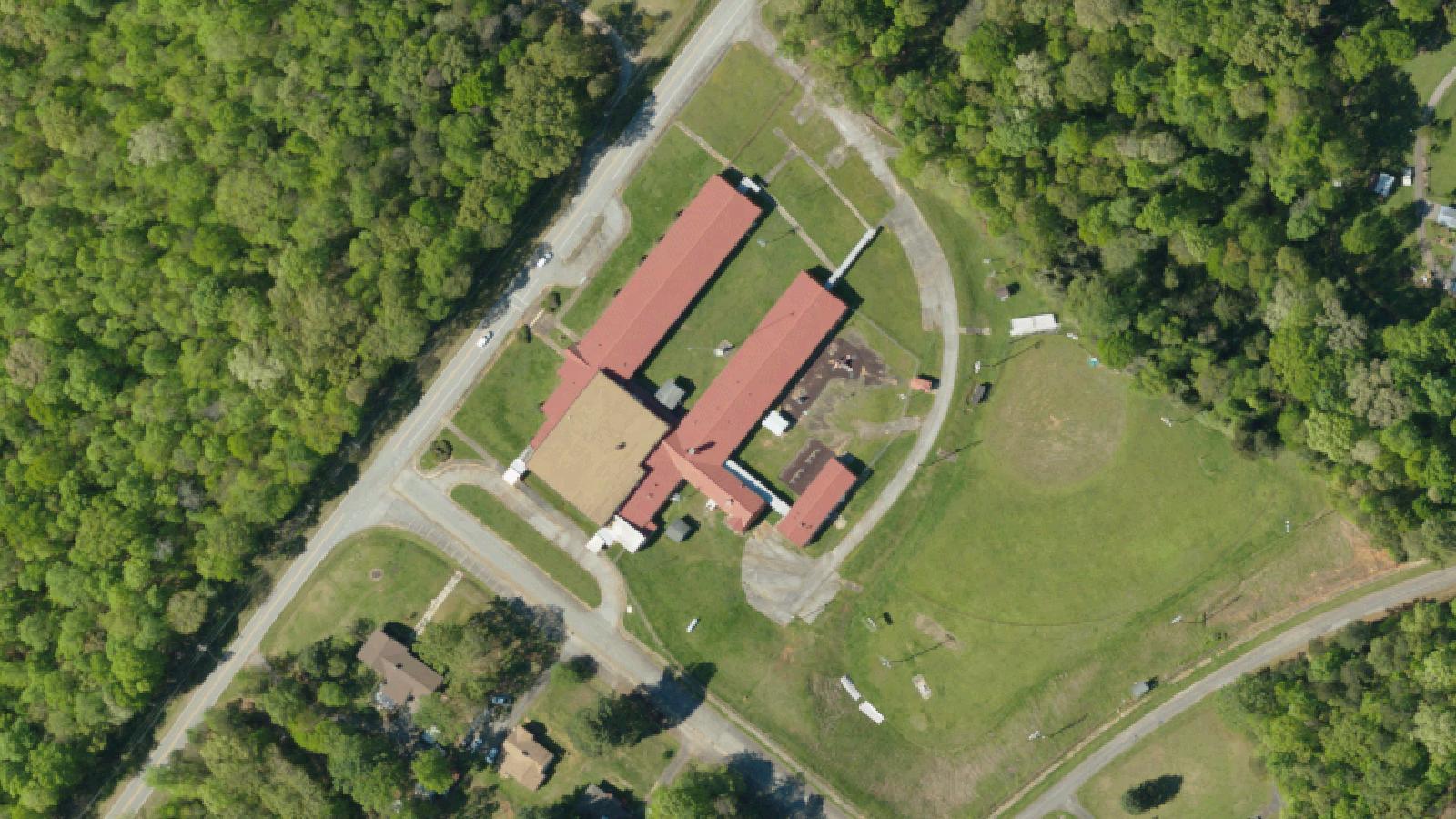
The surviving mill structure stands in partial ruin, with adjacent railroad tracks still in active use. The site is not interpreted as a historic property and is not open to the public; what remains can be observed only from nearby public roads.
Sources
- https://www.scprai.org/hauntingsa_g.html
- https://www.southcarolinahauntedhouses.com/real-haunt/lydia-mill-ruins.html
- https://www.onlyinyourstate.com/south-carolina/ghost-stores-sc/
ApparitionsPhantom footstepsShadow figuresResidual haunting
The headless woman of Lydia Mill is one of the longer-running ghost legends in upstate South Carolina, with reports said to extend back over a century. The figure is consistently described: a woman walking the railroad tracks behind the mill, sometimes seen at the edge of the mill structure itself, with no head visible above the shoulders.
Local explanations vary. The most commonly cited cause attributes her injury to a fatal collision with a train, the kind of accident that was tragically common around 19th and early 20th century industrial sites where workers crossed rail lines to reach housing or shifts. Other accounts attribute the death to other causes; the consistent element across versions is the absence of the head and the location along the tracks.
Reports of the figure cluster at twilight and at night, and often involve moving lights or shadows that resolve into the walking figure before dissolving. Multiple paranormal investigators have visited the site over the years and have published photographs and audio recordings of varying clarity. The Lydia Mill case has generated at least one self-published book documenting accounts.
The site itself is not formally interpreted, and the mill ruins are private property. Visitors hoping to glimpse the figure from public roads should not enter the rail right-of-way under any circumstances; the tracks are active and trespassing is both illegal and physically dangerous.
Notable Entities
The Headless Woman of Lydia Mill